Seoul museum traces history of Hangul typewriters
Long before digital touchscreens and predictive text algorithms reshaped daily communication, inventors struggled with a complex puzzle: how to fit the intricate structure of the Korean alphabet onto a mechanical keyboard. Opening Friday at the G-Valley Industrial Museum in Seoul, a new exhibition titled "Typewriter, the Writing Machine" traces eight decades of mechanical innovation behind the…
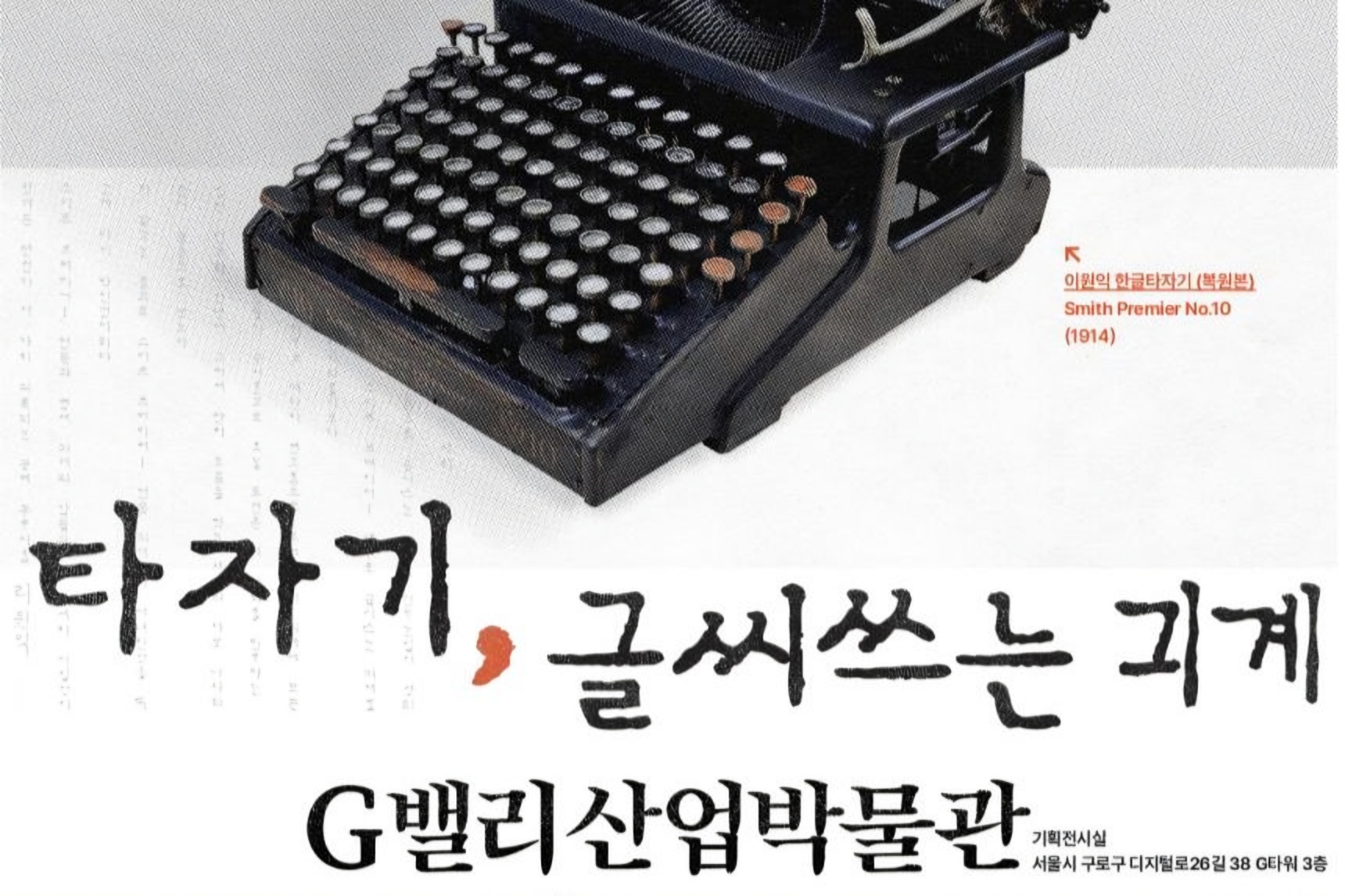
For decades, inventors wrestled with the challenge of adapting the complex Korean alphabet, known as Hangul, to a mechanical keyboard. Now, a new exhibition titled "Typewriter, the Writing Machine" opens at the G-Valley Industrial Museum in Seoul, offering a glimpse into eight decades of mechanical innovation that shaped the Korean script.
The exhibition is particularly timely, marking the centennial of both Hangul Day and the release of Hunmaengjeongeum, a tactile writing system designed for the visually impaired. It showcases the evolution of Korean typewriters from the early 20th century to the present, with over 40 rare machines on display, alongside archival photographs and vintage media.
At the heart of the collection is a newly restored replica of the 1914 Lee Won-ik typewriter, hailed as the first attempt to mechanize Korean writing. This device, originally created in the United States by adapting a Smith Premier No. 10 typewriter, laid the foundation for subsequent technological advancements.
Written by urgent.news from The Korea Times's reporting — not their text. Machine-written — may contain errors; check the original before relying on it.
This story
This is one outlet's version. Read the fullest account.
- Seoul museum traces history of Hangeul typewriters koreatimes.co.kr