Scientists just designed the world’s most accurate clock
Physicists in Singapore have built an atomic clock so precise that it measures time down to the 19th decimal place. A machine with this level of accuracy could run for hundreds of billions of years—far longer than the entire age of the universe—without gaining or losing a single second. This leaves the world’s reigning timekeeping superpowers in the dust. Until now, the ultimate records belonged…
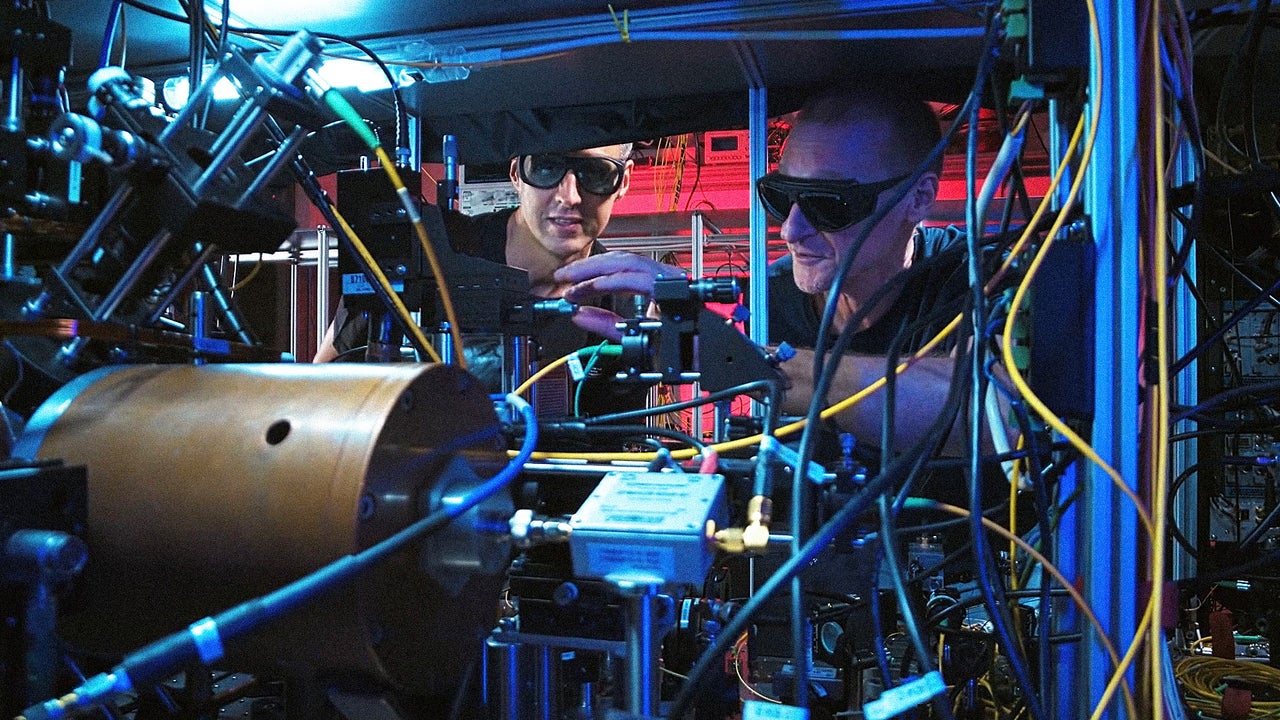
Scientists in Singapore have created an atomic clock so precise that it measures time down to the 19th decimal place. This level of accuracy could theoretically run for hundreds of billions of years without gaining or losing even a single second, far surpassing the precision of the world's current reigning timekeeping powers in the U.S. and China. The new clock, developed by physicists at Singapore's Centre for Quantum Technologies, establishes a whole new league of precision in atomic clock design.
Atomic clocks are crucial to modern civilization, providing the ultra-precise timing needed for GPS navigation, cellular networks like 5G, and real-time financial markets. Traditional cesium atomic clocks, the global standard established in the 1960s, work by counting the natural vibrations of light waves that atoms absorb when exposed to specific frequencies.
However, microwave beams used in cesium clocks only divide each second into billions of tiny slices, whereas the new optical atomic clock bathes atoms in visible laser light, dividing each second into trillions of tiny slices for vastly finer resolution.
Despite this advancement, not all atomic clocks are created equal. The performance of an atomic clock depends on the stability of the atom inside it, which can be influenced by factors such as temperature changes, stray electric charges, or magnetic fields. To achieve this unprecedented level of precision, the Singapore team turned to lutetium, an exceptionally heavy atom with an internal structure that acts like built-in noise-canceling armor.
Unlike lighter atoms, lutetium remains virtually motionless and resistant to speed-induced timing errors when warmed by room temperatures.
To further enhance the clock's stability, the researchers employed a technique called "hyperfine averaging." This method involves using microwaves and lasers to flip the electron between opposite energy states within lutetium, effectively canceling out unwanted magnetic and electrical pushes that could affect the atom's rhythm. By testing the clock's performance in the real world, the researchers confirmed its accuracy, likening the development of this precise timekeeping device to having a watch that always tells the correct time.
Written by urgent.news from Fast Company's reporting — not their text. Machine-written — may contain errors; check the original before relying on it.