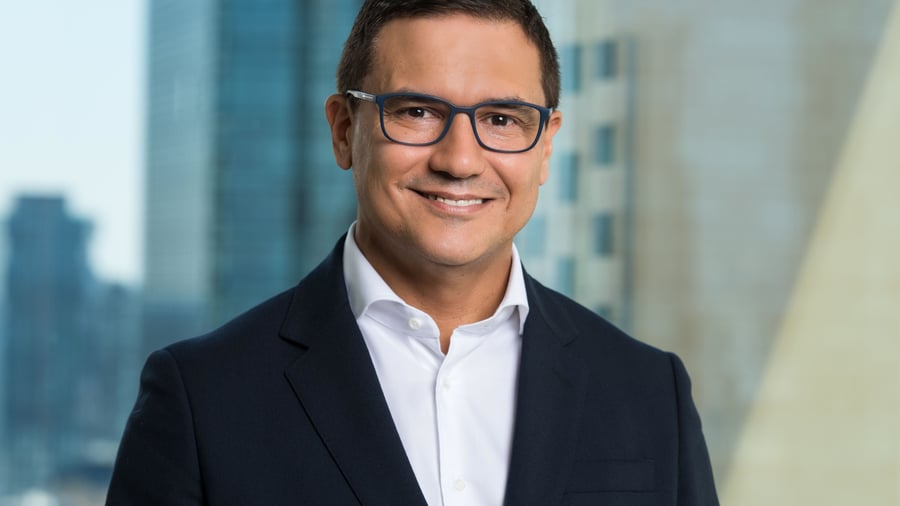
SAMA governor warns prolonged regional conflict threatens global growth, highlights Saudi economic resilience
ISTANBUL — Saudi Central Bank (SAMA) Governor Ayman Al-Sayari warned that a prolonged regional conflict could intensify global inflationary pressures, weaken economic growth and disrupt supply chains, even as Saudi Arabia continues to demonstrate economic and financial resilience.Speaking at the Istanbul Economic Forum on Thursday, Al-Sayari said the global economy had shown considerable…
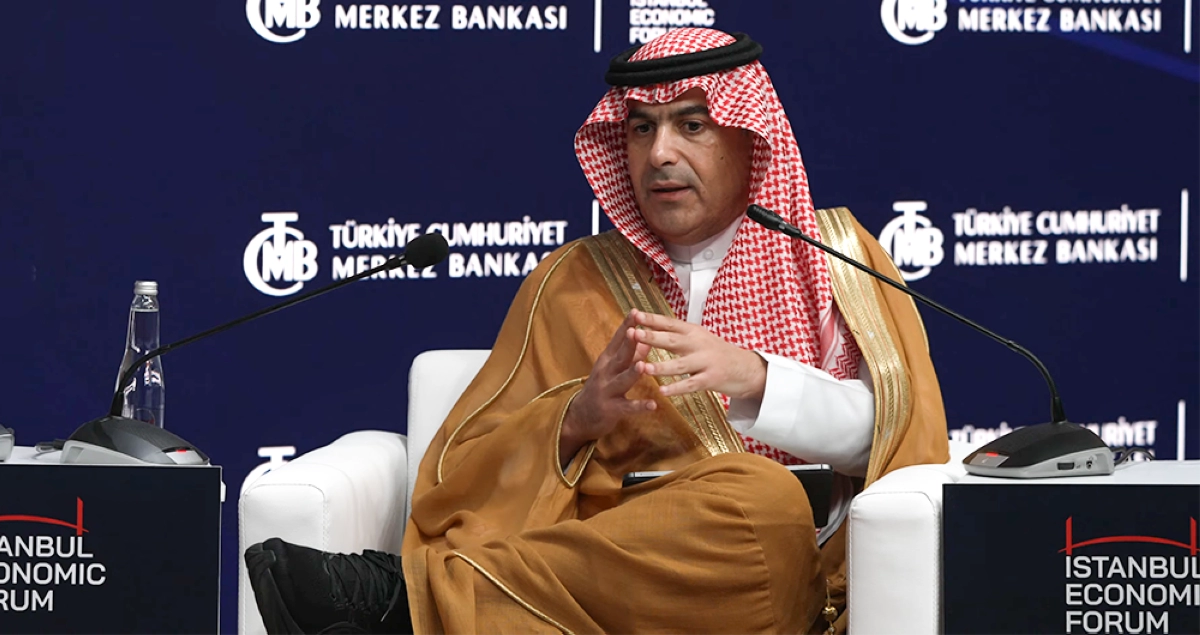
Saudi Central Bank Governor Ayman Al-Sayari cautioned that a prolonged regional conflict could exacerbate global inflation and slow economic growth, despite Saudi Arabia's demonstrated financial resilience. Speaking at the Istanbul Economic Forum, Al-Sayari noted that the global economy has shown strong resilience despite geopolitical shocks, but cautioned that ongoing conflict in the region complicates growth and inflation projections.
He projected global economic growth of around 3% in 2026, with inflation at approximately 4.7%, raising concerns about renewed price pressures.
Al-Sayari emphasized that supply disruptions could weaken economic activity and drive prices up, posing challenges for central banks trying to balance inflation control with growth. He warned that prolonged geopolitical instability could undermine investor confidence, increase risk premiums on financial assets, and tighten global financing conditions, especially given elevated global debt levels.
Turning to Saudi Arabia, Al-Sayari highlighted the Kingdom's economic resilience despite its proximity to regional tensions. This resilience is supported by strong foreign reserves, long-term infrastructure investments, and economic diversification under Vision 2030. He mentioned the importance of energy infrastructure investments, particularly the East-West Pipeline, which continues to support oil exports despite disruptions in key shipping routes.
The pipeline has a capacity of around 5.8 million barrels per day, supplemented by an additional 1-2 million barrels per day from a regional partnership. Saudi Aramco has also prepared by establishing oil reserves globally to ensure supply continuity.
Despite a two-quarter contraction in 2026, driven by the oil sector, the non-oil economy expanded by about 2% in the first and second quarters of 2026. The governor attributed this to population growth, low unemployment among Saudi nationals, and the progress made through the Kingdom's economic diversification program. Saudi Arabia's inflation remained moderate at 1.8% as of August 2026, due to government measures like fuel price caps and the riyal's peg to the US dollar.
Saudi banks have maintained financial resilience throughout the conflict, with strong liquidity and capital positions. As of June 2026, the banking sector's liquidity coverage ratio was 170%, capital adequacy ratio 20.9%, and net stable funding ratio 114.6%. Saudi banks continue to benefit from the A+ sovereign credit rating, supporting their access to international financing markets despite rising risk premiums. Domestic liabilities make up 87.1% of total liabilities, limiting exposure to capital outflow risks.
Al-Sayari noted that while geopolitical shocks may not necessitate fundamental changes to existing monetary policy, they underscore the importance of preparedness, flexibility, and effective crisis management. He urged central banks to assess whether inflationary pressures are temporary or risk becoming persistent through second-round effects and emphasized the need for liquidity management and crisis response readiness during periods of heightened market volatility.
Al-Sayari stressed the importance of international coordination and timely information sharing to mitigate the cross-border consequences of geopolitical instability, advocating for early identification of vulnerabilities to build economic and financial resilience against unexpected shocks.
Written by urgent.news from Saudi Gazette's reporting — not their text. Machine-written — may contain errors; check the original before relying on it.