Russian attacks could cut 2027 crop by 12 million tons — Kernel
Ukrainian agricultural producers are rapidly reshaping their logistics in response to systematic Russian attacks, but the additional flexibility comes at a significant cost and could ultimately reduce the country’s 2027 harvest, agricultural giant Kernel told NV.
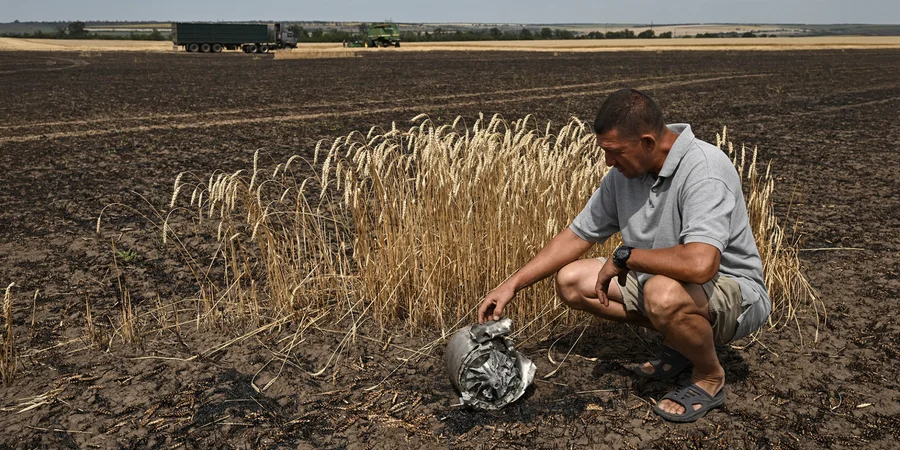
Ukrainian farmers are adapting their logistical strategies due to relentless Russian attacks, but these measures may ultimately shrink the 2027 harvest, according to agricultural firm Kernel. Russian assaults on Ukrainian ports, railways, and roads have forced companies to juggle multiple logistics options. Companies must swiftly reroute cargo, store crops during shipment suspensions, and resume exports when safe windows reappear.
"This flexibility comes with a price—higher freight and insurance costs, longer routes, and downtime," Kernel informed NV. The company disclosed these concerns while contributing to a broader report on how Russian attacks on Ukrainian logistics and industries are reshaping business operations. While temporary storage solutions provide temporary relief during export interruptions, they cannot address the root issue.
"Without the ability to sell products, agricultural producers forgo earnings for fuel, seeds, fertilizers, and the subsequent planting season," Kernel explained. This predicament could result in a 20% reduction in Ukraine's cultivated land and a 12 million metric ton decrease in the 2027 harvest. This warning echoes previous warnings from Ukraine's government and agricultural sector regarding the detrimental effects of severely restricted access to Black Sea ports.
Under normal circumstances, Ukraine exports 5 million to 6 million metric tons of agricultural goods monthly. However, in July, with partially operational ports, exports reached approximately 2.9 million metric tons. August saw even lower volumes, with exports around 1.4 million tons. September exports were 2.4 million metric tons, representing only 46% of the country's estimated export potential, as stated by Agriculture Minister Taras Vysotskyi.
Grain comprised 1.4 million tons of September exports, or 38% of maximum volumes. Ukrainian exports also included 444,000 tons of oilseeds, 311,000 tons of vegetable oil, and 280,000 tons of meal. Alternative routes have become vital as access to Ukraine's deep-water Black Sea ports remains limited. In September, 1.3 million tons, or 54% of total exports, traversed Danube ports.
An additional 993,000 tons, or 41%, were transported by rail, while 120,000 tons were moved by road. Without complete access to Black Sea ports, Ukraine's agricultural export potential is capped at 45% to 50% of its maximum capacity, Vysotskyi noted. Rail and road transport can manage some cargo during heightened attacks, but their capacity and higher costs preclude them from entirely substituting Ukraine's deep-water ports.
Kernel, Ukraine's largest agricultural enterprise and a leading global producer and exporter of sunflower oil, has also been impacted by Russian attacks on port infrastructure. Russian strikes on Chornomorsk port in July inflicted significant damage on Kernel's export facilities, prompting the suspension of operations at affected terminals.
Loading equipment, power infrastructure, grain silos, and sunflower oil storage facilities sustained damage or destruction. To maintain export contracts, Kernel has resorted to alternative terminals, Danube ports, and overland routes. Kernel operates about 530,000 hectares (1.31 million acres) of farmland and accounts for roughly 10% of global sunflower oil exports. Its Ukrainian consumer brands include Shchedryi Dar, Chumak, and Stozhar.
Written by urgent.news from New Voice of Ukraine's reporting — not their text. Machine-written — may contain errors; check the original before relying on it.