Researchers have made wallpaper that generates power from indoor humidity
HVAC systems burn energy pulling moisture out of the air. This wallpaper does the opposite: It cut humidity while generating electricity.
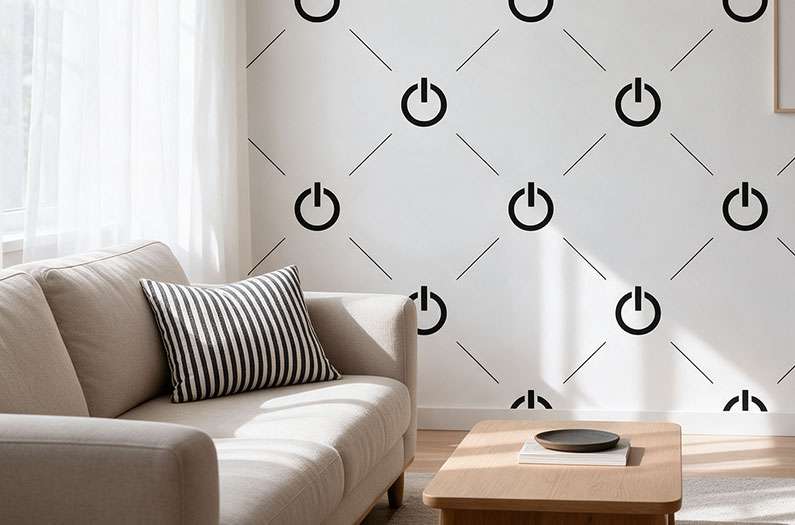
Researchers have developed wallpaper capable of generating power by harnessing indoor humidity, according to a new study published in the journal Advanced Energy Materials. Led by electrical and computer engineer Seokheun Choi from Binghamton University, the team created a wall-mounted panel that converts the moisture in indoor air into electrical energy.
This innovation could potentially reduce the need for HVAC systems to remove moisture while also producing electricity. Indoor devices such as sensors and electronic gadgets often require power ranging from microwatts to milliwatts, and researchers have been developing power generators that extract energy from ambient sources. Previous efforts have focused on generating power from human motion, wind, rain, and wood, but the Binghamton team chose to target moist-electric generators, which utilize humidity in the air.
While outdoor moisture can be an abundant energy source, its variability due to weather conditions results in low power generation. In contrast, indoor environments maintain relatively stable humidity levels between 30–60%, making them an ideal location for indoor moist-energy generators. The researchers utilized Choi's previous work on papertronics to develop a new paper-based Moisture-Electric Generator (MEG) device.
The device is designed to capture moisture at the edges of a 2 x 2 cm paper square and transport it to the center, where it evaporates, creating a unidirectional moisture flow that generates electricity. The wallpaper is composed of multiple squares connected by wiring on the back. Although the current power output is small, a 35-square array can power a humidity sensor for about 15 minutes.
A larger 1,596-unit array can operate a wireless keyboard while simultaneously reducing indoor humidity from 38% to 32%, effectively transforming passive wall surfaces into self-powered, climate-responsive interfaces.
Written by urgent.news from Anthropocene Magazine's reporting — not their text. Machine-written — may contain errors; check the original before relying on it.