RECLAIMING THE COMMONS: Fixing Joburg starts with turning it into a municipality once more
The corporatised structure used to run the City of Johannesburg must be dismantled.
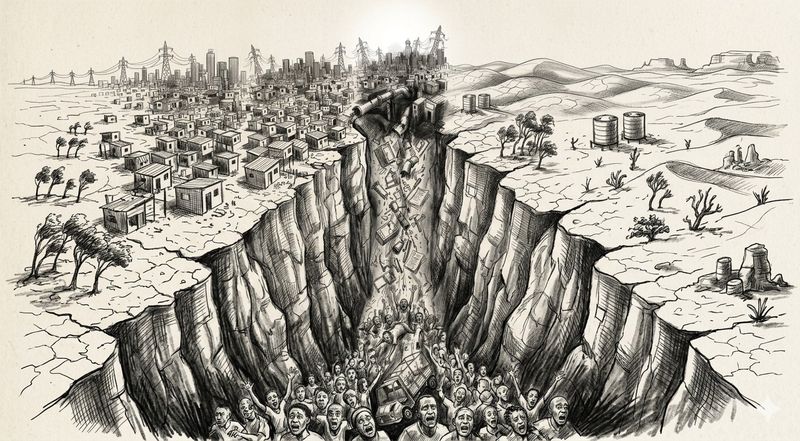
The current structure governing the City of Johannesburg must be dismantled, according to urban reform advocates. Every seasoned resident knows that Johannesburg is in dire straits, with the ruling officials being perceived as inept and corrupt. Amidst the ongoing election cycle, all political contenders promise solutions, but a deeper analysis is required to identify the root causes of the city's woes and determine which candidate possesses the capability to rectify them.
One of the fundamental issues plaguing Johannesburg is the corporatised model employed to run the city. This model, which was introduced around 25 years ago, has resulted in the creation of 13 or 14 municipal entities, each responsible for delivering specific local services. These entities, such as City Power for electricity, Joburg Water for water supply, and PikitUp for garbage collection, are owned by the city but managed by highly paid boards and managers, with shareholder control remaining with the city itself.
The corporatised framework, while intended to mirror the efficiency of the private sector, has instead become a fragmented system characterized by institutional capture and excessive overheads. This structure has not only failed to enhance efficiency but has also contributed to a sharp decline in service standards, primarily due to systemic failures within the city's utility operations.
Moreover, the model's insulating effect, granted by the Companies Act, erodes democratic accountability, a crucial element in urban governance. By shielding entity leadership behind the Companies Act, the model hampers the transparent reporting necessary for effective governance. This bureaucratic redundancy not only complicates oversight but also diverts billions of dollars from the public "commons" into an unsustainable executive layer.
The consequences of this structure have been catastrophic. For instance, Johannesburg Water is currently losing approximately 45% of the water it purchases from Rand Water, translating to a staggering R2.8 billion in annual losses due to leaks, theft, and billing failures. These operational failures are exacerbated by the lack of a unified data system, which hampers infrastructure planning and leads to significant financial discrepancies.
The inefficiencies of this model are further compounded by the exorbitant compensation packages awarded to executives responsible for preventing these issues. While the city's infrastructure deteriorates, with pervasive potholes, failing bridges, and exploding substations, senior management salaries have reached staggering heights, highlighting a system where "political capitalists" exploit the corporatised silos to bypass the fiscal discipline required of the core administration.
Ultimately, the strategic necessity for accountability mechanisms has been undermined by a culture of impunity, where disciplinary cases often exceed 18 months, enabling officials to evade consequences. This lack of accountability has led to catastrophic outcomes, directly impacting the city's capacity to deliver essential services efficiently and sustainably.
Written by urgent.news from Daily Maverick's reporting — not their text. Machine-written — may contain errors; check the original before relying on it.