RBI’s sell-buy swaps slow rupee’s fall but push up forward premiums, making hedging costlier for foreign investors
The Reserve Bank of India is engaged in dollar sell-buy swaps to stabilize the rupee's value. However, this has resulted in higher forward premiums, making it expensive for foreign investors to hedge. As a consequence, some foreign investments in rupee-denominated assets may decline. Additionally, companies are opting to borrow in rupees and exchange for dollars due to favorable local rates.
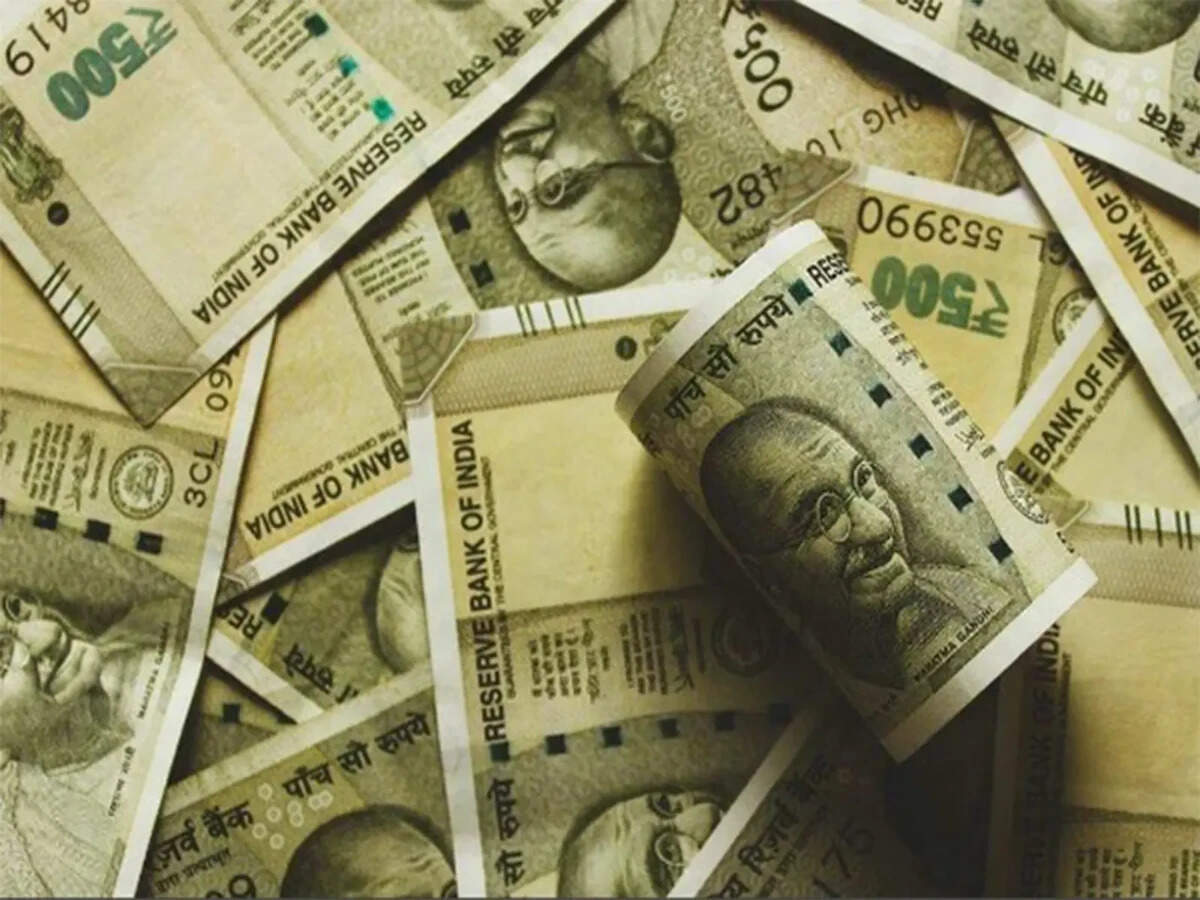
The Reserve Bank of India's sell-buy swaps, a strategy of selling dollars in the spot market with an agreement to repurchase later, have helped to curb the rupee's decline. However, this action has also led to a significant increase in forward premiums. This rise in premiums makes hedging more expensive for foreign investors, which could discourage some inflows of debt and portfolio investments.
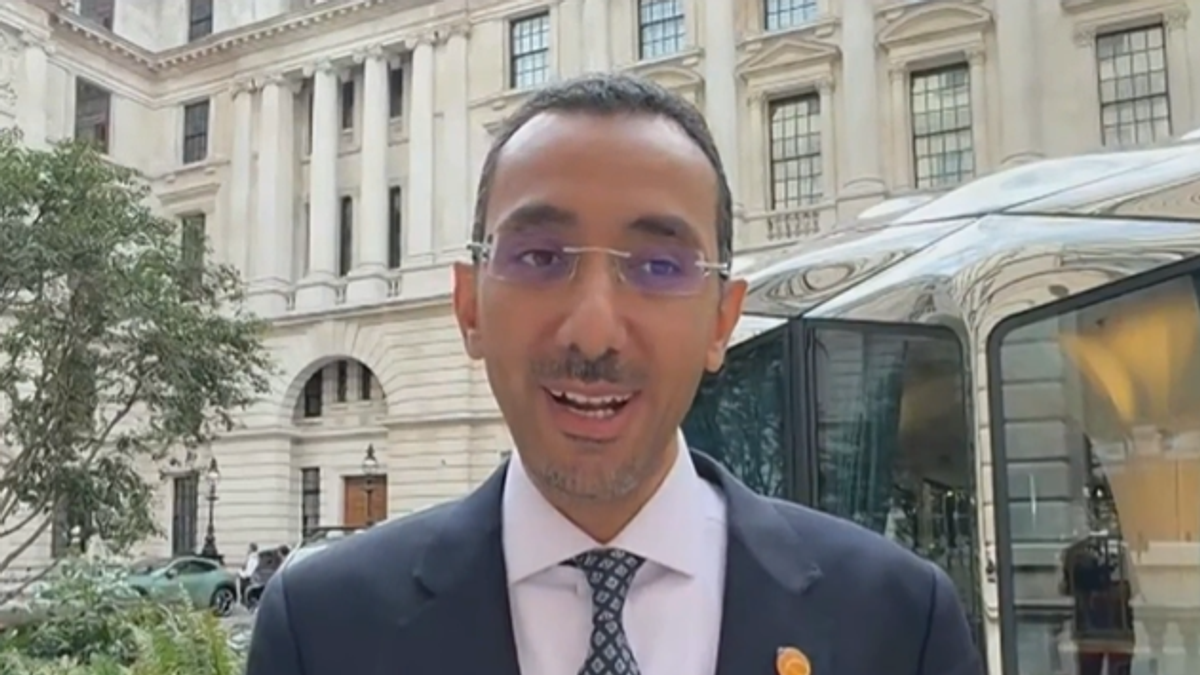
Kunal Sodhani, head of treasury at Shinhan Bank India, explains that for investors who fully hedge their currency exposure, higher forward premiums increase the cost of hedging and lower the overall attractiveness of the rupee return. The one-year dollar-rupee forward premium has risen from 7.40% to 8.65%, indicating that hedging costs are becoming more burdensome for overseas investors.
The RBI might have shifted its focus to forward market dollar sales to mitigate the surge in forward premiums, which poses a threat to the stability of the spot rupee. Despite this, the rupee closed slightly weaker at 96.79 per dollar, down from its previous close of 96.7750. It opened at 96.68 but faced downward pressure in the afternoon due to rising fuel prices, remaining near its historical low of 96.96.
Foreign investors are exploring alternative strategies in light of the escalating premiums. Higher premiums may incentivize exporters to sell dollars forward, while making hedging more expensive for importers and borrowers. Large Indian companies with offshore operations may find it more cost-effective to borrow locally in rupees and convert them to dollars for international use.
This could make borrowing more expensive for overseas investors, potentially putting additional pressure on the rupee and complicating the RBI's efforts to manage the currency.
Written by urgent.news from The Economic Times - Economy's reporting — not their text. Machine-written — may contain errors; check the original before relying on it.
Also reported by 1 other outlet
- RBI swaps slow rupee fall, hike premiums economictimes.indiatimes.com