RBI intervention halts rupee's slide to record low, risks linger
MUMBAI: The Indian rupee was on the defensive on Thursday, pressured by a jump in oil prices and weakness in Asian peers even as likely central bank intervention kept the currency from testing record lows hit five months ago. The Indian rupee ended nearly flat at 96.78 per dollar, within striking distance of its all-time low of 96.96 hit in May. Elevated oil prices, surging developed market bond…
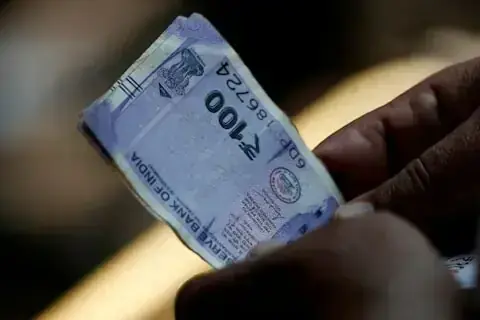
Mumbai saw the Indian rupee struggle against the U.S. dollar on Thursday, driven by a surge in oil prices and declining performance of Asian currencies, despite potential intervention from the central bank. The rupee closed at 96.78 per dollar, just shy of its all-time low of 96.96 reached in May. Factors like high oil costs, soaring yields in developed markets, and a lack of incoming capital have been weighing heavily on the rupee, resulting in a loss of over 7% against the dollar - one of the worst performances in the region.
While the Reserve Bank of India's actions have provided some respite, traders remain skeptical of a bullish outlook for the rupee. "The key question now is whether the RBI will stand by and let the 97 level be breached, and if the market pushes the unit closer to the 100 mark," an FX trader at a hedge fund noted. The question of a possible rate hike by the central bank in India hangs over the issue, with analysts warning that the country's first interest rate increase in nearly four years is unlikely to halt or reverse the outflow of record capital from the country.
This could keep the central bank mired in a cycle of a weakening currency and rising inflation in a challenging global climate. Recent events, such as a more than 4% increase in Brent crude oil prices to $104.3 per barrel, due to Middle East shipping attacks and a rising Gulf Strait, further exacerbated the global headwinds facing the rupee.
Across Asia, currencies were all falling, while the dollar index hovered near its highest point in over a year after Federal Reserve minutes indicated that policymakers viewed inflation as the most significant threat to their outlook. "A hawkish Fed is firmly priced by money markets at this stage," ING noted in a recent report. "We expect a 25 basis point hike to 4.25% in December, but anticipate another 50 basis point tightening next year. However, we doubt the market will want to fight against such hawkish pricing this year."
Written by urgent.news from Business Recorder's reporting — not their text. Machine-written — may contain errors; check the original before relying on it.