Protect the middle? Why Southeast Asia should care about a vulnerable class
As households across Southeast Asia face rising prices, higher borrowing costs and insecure jobs, analysts say governments should do more to protect a middle class that drives consumer spending but can fall between the cracks of social protection systems designed primarily for poorer households. The issue has come into sharper focus in the Philippines, where the Asian Development Bank Institute…
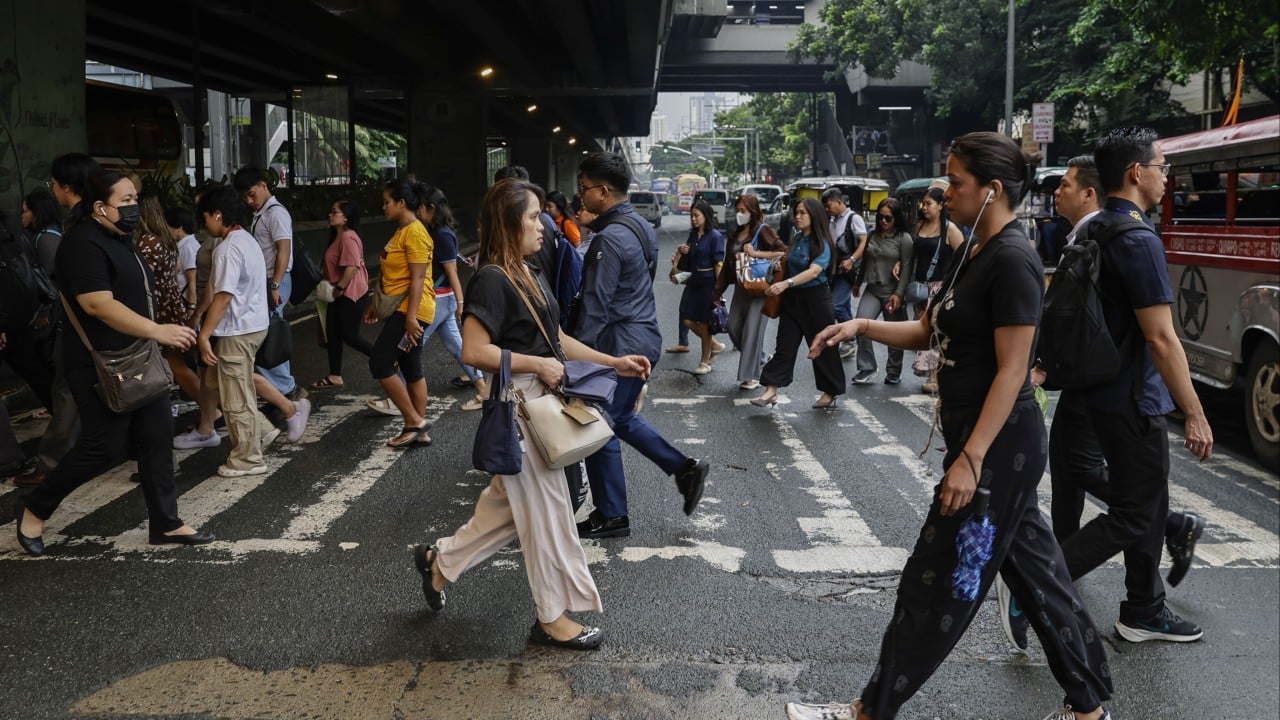
As households across Southeast Asia confront rising prices, higher borrowing costs, and insecure jobs, analysts argue that governments must take greater measures to safeguard a middle class essential for consumer spending. This concern has gained prominence in the Philippines, where the Asian Development Bank Institute (ADBI) urged the government in September to extend targeted support to the middle class to preserve its purchasing power and avert a slowdown in economic growth.
Bambang Brodjonegoro, ADBI dean and CEO, emphasized that the government should prioritize supporting the middle class, which constitutes the majority of household consumption.
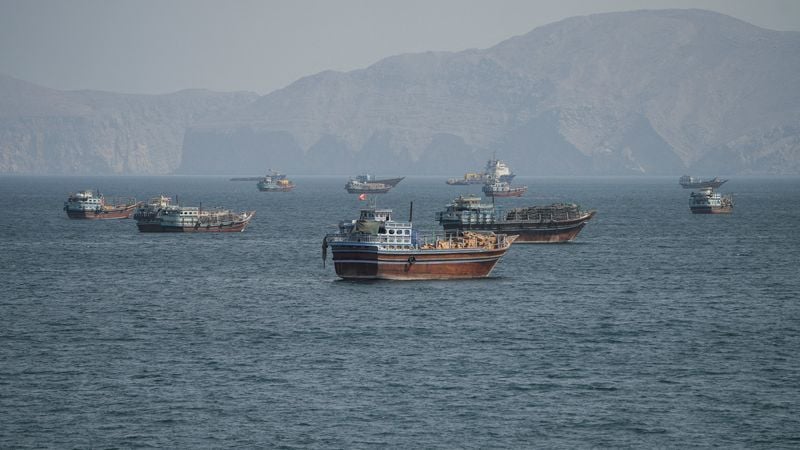
Philippines' inflation surged to a four-month high of 7.2 per cent in September, exacerbating pressure on households' finances. Maria Monica Wihardja, economist and fellow of the ISEAS – Yusof Ishak Institute's media, technology, and society programme, noted that the Philippines, being one of the most affected countries in the Asean region due to its heavy reliance on oil imports through the Strait of Hormuz, and twin energy and current account deficits, is experiencing the impact of external shocks on the middle class.
These households, which spend significantly on fuel, take loans, and work in sectors affected by external shocks, remain unshielded by safety net programmes.
The issue transcends household well-being because middle-class consumption drives economic growth. Jose Ramon Albert, a senior research fellow at the Philippine Institute for Development Studies, stated that while the Philippines has launched a social assistance programme called Uplift to address recent price spikes, it is primarily designed for poor and low-income households. Consequently, a middle-class family facing a shock may seek help but must undergo an assessment to obtain assistance.
Indonesia faces a shrinking middle class, as per Wihardja's analysis, while the Carnegie Endowment also highlighted protection gaps for the aspiring middle class in Indonesia. They discovered that households between the 50th and 80th percentiles witnessed a decline in real consumption between 2019 and 2022, while the bottom 20 per cent, supported by social protection, improved their situation.
This situation underlines the broader question of whether assistance reaches households that are above the poverty line but susceptible to shocks.
Albert highlighted that both Indonesia and the Philippines face a shared vulnerability, as much of their middle class resides in the emerging segment, earning between US$8 and US$16 daily, and remains at risk of falling into low income. However, income or consumption levels alone do not guarantee resilience. Factors such as assets, debt, insurance, and job security also play crucial roles.
Wihardja emphasized that protecting middle-class purchasing power through targeted measures is prudent as this group forms a vital source of consumer demand for goods and services.
Although direct subsidies might be necessary, assistance can also be provided by enhancing public infrastructure and services accessibility and affordability, ensuring that middle-class households do not resort to costly private alternatives. Different countries grapple with unique vulnerabilities. For instance, many middle-class households in Thailand are overwhelmed by high debt, while the Philippines remains heavily dependent on remittances from abroad.
In Vietnam, the government has temporarily maintained VAT at 8 per cent on most goods and services, free public school tuition from preschool to high school from September 2025, and increased personal income tax deductions for eligible salaried families. These regional approaches demonstrate the need for governments to bolster resilience by extending temporary support quickly to those in need, including middle-class households vulnerable to shocks.
Written by urgent.news from South China Morning Post's reporting — not their text. Machine-written — may contain errors; check the original before relying on it.