Parlimen bukan tempat sesuai bincang reformasi sukar, kata Nazir Razak
Pengerusi Yayasan Tun Razak berkata isu sensitif wajar dibincang terlebih dahulu di luar Parlimen manakala wakil rakyat Bangi Syahredzan Johan menegaskan kepentingan melibatkan ahli politik.
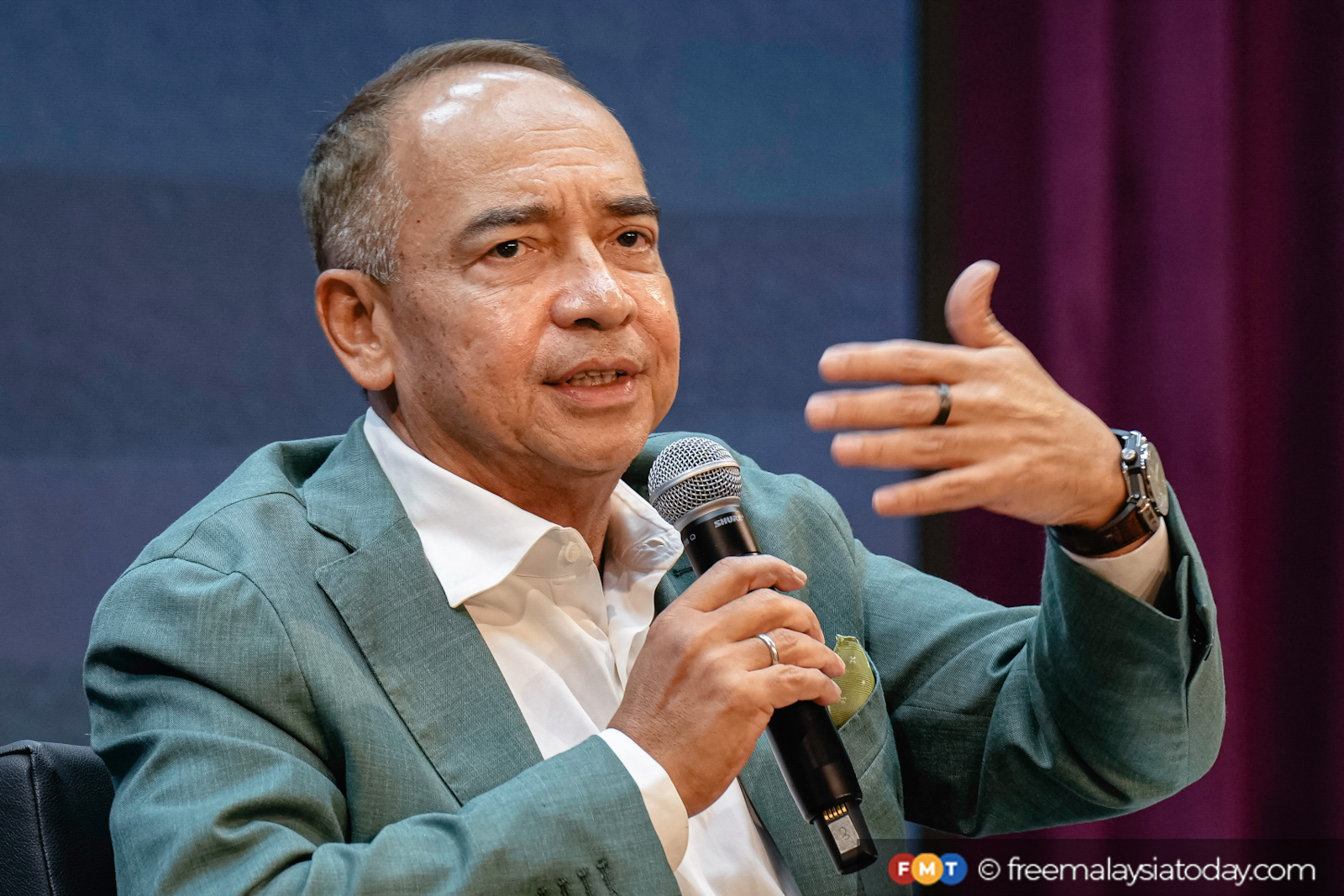
Nazir Razak, the Chairman of the Tun Razak Foundation, has stated that Parliament is not an appropriate place for discussions on controversial national reform due to politicians being bound by party whip and supporting their respective constituents. At the 2026 National Seri Dialogue, Nazir emphasized that reformative structural system discussions would be more successful outside Parliament before being brought to the Parliament.
He further suggested the establishment of the Second National Consultative Council as a platform to debate issues, including affirmative action, national identity, institutional power balance, and corruption. As a former CIMB Group chairman, Nazir provided the example of Ireland's discussion on pension reform as a way to explore difficult issues outside Parliament before presenting proposals to the legislature.
However, Bangi MP Syahredzan Johan argued that politicians should be involved because they are often the first to receive public complaints and understand the problems faced by residents in their respective areas. He also noted that social media often portrays Parliament in a misleading way, as issues related to political shifts receive more attention than discussions on fundamentals.
Syahredzan used the example of the Parliamentary Select Committees, which allow MPs from different parties to work together constructively during discussions without any pressure or attention-seeking tactics. While he agreed that pressure-free discussions might be more productive, he stated that politicians still need to participate alongside representatives from other sectors for the nation's benefit, rather than focusing solely on political interests.
Economist Aira Azhari proposed revisiting the Executive Director's Executive Institute (IDEAS) system of executive elections, as the country's growing ethnic composition and the decreasing Malay population could impact electoral politics and how political parties compete for support. Azhari also warned about the perception that the declining economic size could increase competition among communities when each group views gains by others as losses to themselves.
She believed that the first-past-the-post electoral system, combined with existing social polarization, could contribute to a winner-takes-all approach, where gains for one party are seen as losses for others.
She acknowledged that there might be room for improvement in the system itself, and that changing the system could lead to a different way of conducting political games.
Written by urgent.news from Free Malaysia Today's reporting — not their text. Machine-written — may contain errors; check the original before relying on it.
This story
This is one outlet's version. Read the fullest account.
- Parlimen bukan tempat sesuai bincang reformasi sukar, kata Nazir Razak freemalaysiatoday.com