Palm oil producers eye closer India ties: Why the world’s biggest vegetable oil importer matters
The message emerging from GLOBOIL India 2026 was that the relationship between India and global edible oil producers is becoming more strategic.
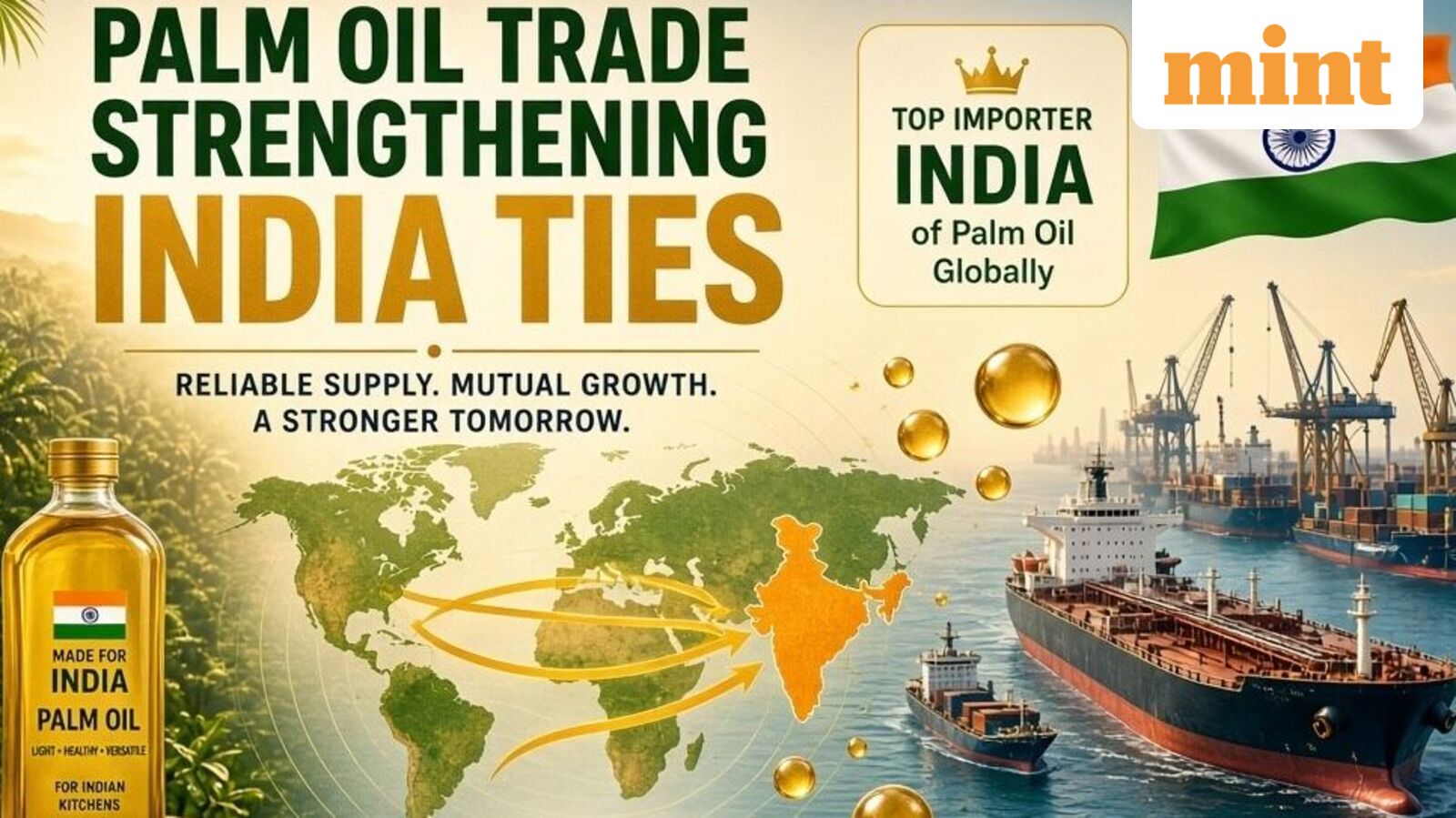
Palm oil producers are seeking to bolster their connections with India, as the nation is the world's leading importer of vegetable oils and a rapidly growing market. This emphasis on closer ties with India was evident during the 29th edition of GLOBOIL India, a three-day conference in Mumbai from September 29 to October 1. The conference brought together stakeholders from major edible oil markets, with a focus on India's changing edible oil demand and the growing significance of palm oil-producing nations.
India's immense consumption of edible oils makes it a critical destination for palm oil-producing countries. "India buys more edible oil than any country in the world, and every decision made in Kuala Lumpur, Jakarta, Buenos Aires or the Black Sea ends up in an Indian kitchen," said Aadil Singh, Director of Tefla’s, the organizer of GLOBOIL India.
For producers like Indonesia and Malaysia, India represents a large and strategically important market. Changes in India's consumption patterns, import requirements, and preferences for different edible oils can significantly impact global trade flows. At GLOBOIL India, the Malaysia-India relationship was a key focus, with Malaysia's Minister of Plantation and Commodities addressing the opening session and Izzana Salleh, Secretary General of the Council of Palm Oil Producing Countries, delivering the industry keynote.
While palm oil remains a crucial component of India's edible oil basket, discussions at GLOBOIL also emphasized a broader approach to securing supplies. India imports and consumes various types of vegetable oils, including palm, soybean, and sunflower oil. Trade awards at the conference recognized companies involved in supplying all three varieties to India.
Producers are keen to engage with India due to the changing use of vegetable oils. Palm oil is increasingly linked to biofuel policies, and GLOBOIL discussions explored the growing influence of biofuel policies on vegetable oil supplies and prices. For India, a major importer, developments in biofuel policies in producing countries can affect edible oil availability and costs.
India's strategy now revolves around supply security, diversification, and sustainability, rather than viewing edible oil imports solely through short-term price lenses. GLOBOIL 2026 discussions also covered supply security, international price trends, commodity exchanges, risk management, and sustainability. India's diversified importer and refiner base allows companies to source different oils from various international suppliers.
Looking beyond traditional trade relationships, the edible oil industry is increasingly incorporating technology, artificial intelligence, new processing technologies, commodity exchanges, and risk management into its strategies for managing supply chains and evolving demand.
Rewritten by urgent.news; may contain errors — check the original.
Source: livemint.com