OpenAI's math breakthrough points beyond math
AI's conquest of computer programming offered an early demonstration of what happens when models become good enough at a specialized field that experts can no longer treat them as a novelty. Mathematics appears to be next. Why it matters : OpenAI's latest mathematical results — which involved releasing hundreds of new proofs generated by a powerful, unreleased model — demonstrate that the…
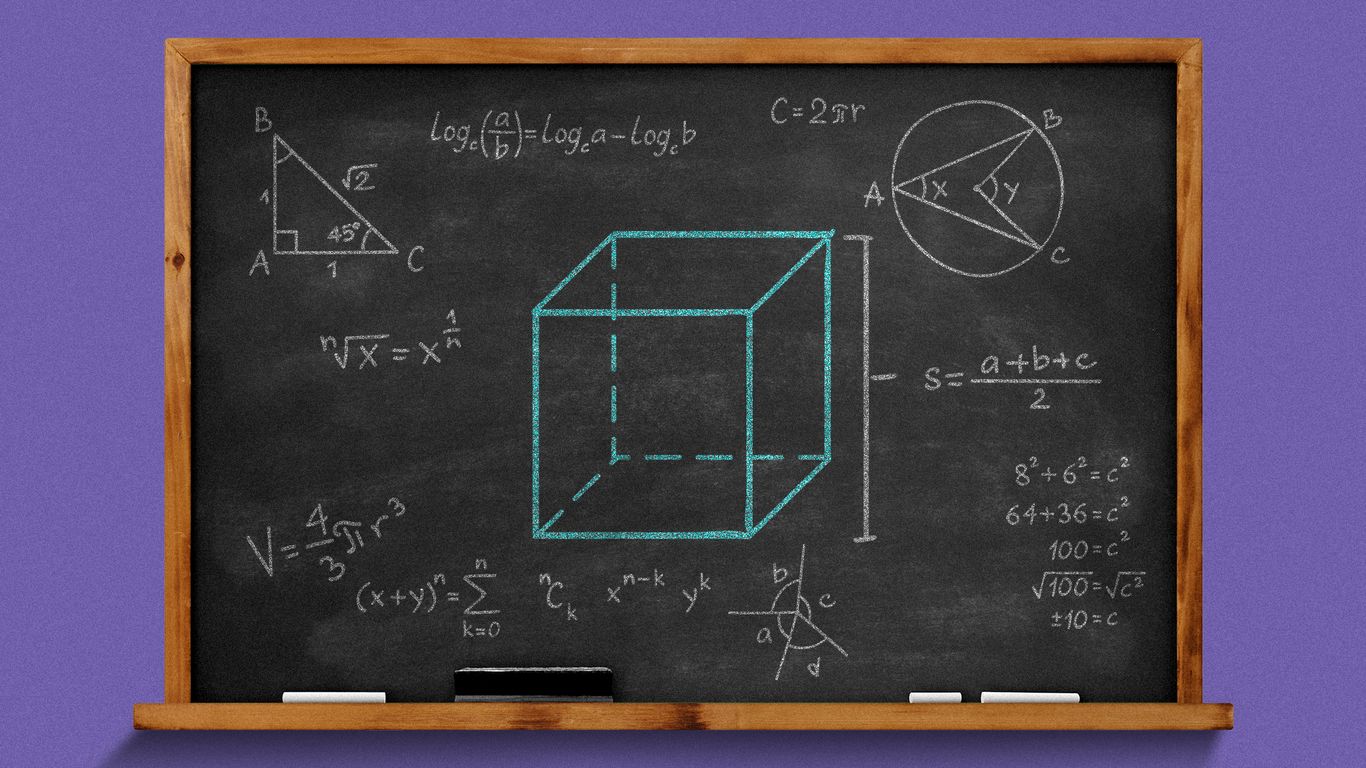
OpenAI's latest mathematical breakthroughs signal that AI's advances are expanding beyond programming and into entirely new fields. The company released 722 manuscripts, organized into 372 groups, which tackle longstanding mathematical problems. The release has elicited mixed reactions, with some mathematicians praising the results and others questioning whether they are original or heavily influenced by human input.
Similar to how AI transformed computer programming, mathematics provides an ideal testing ground for AI, as proofs can be scrutinized and verified by computers. This transition is already evident in software engineering, where AI coding tools have progressed from simple code corrections to writing substantial software and performing complex engineering tasks.
As mathematicians grapple with the implications for graduate work and the next generation of theorists, they acknowledge that meaningful advancements often involve constructing frameworks and bringing structure to complex ideas. However, many remain skeptical about AI's ability to replicate human originality. While some question the practical applications of OpenAI's mathematical findings, others acknowledge that these results provide evidence of AI's rapid progress across various domains.
Written by urgent.news from Axios's reporting — not their text. Machine-written — may contain errors; check the original before relying on it.