Nvidia’s secret to retaining staff? No org charts, a flat structure, and two extra days off every quarter
Over 19 years, Nvidia has evolved from a graphics-chip maker into one of the world’s most valuable companies. HR director Febe Punsalan says, despite these changes, the company is keeping its mission-driven, employee-led culture intact.
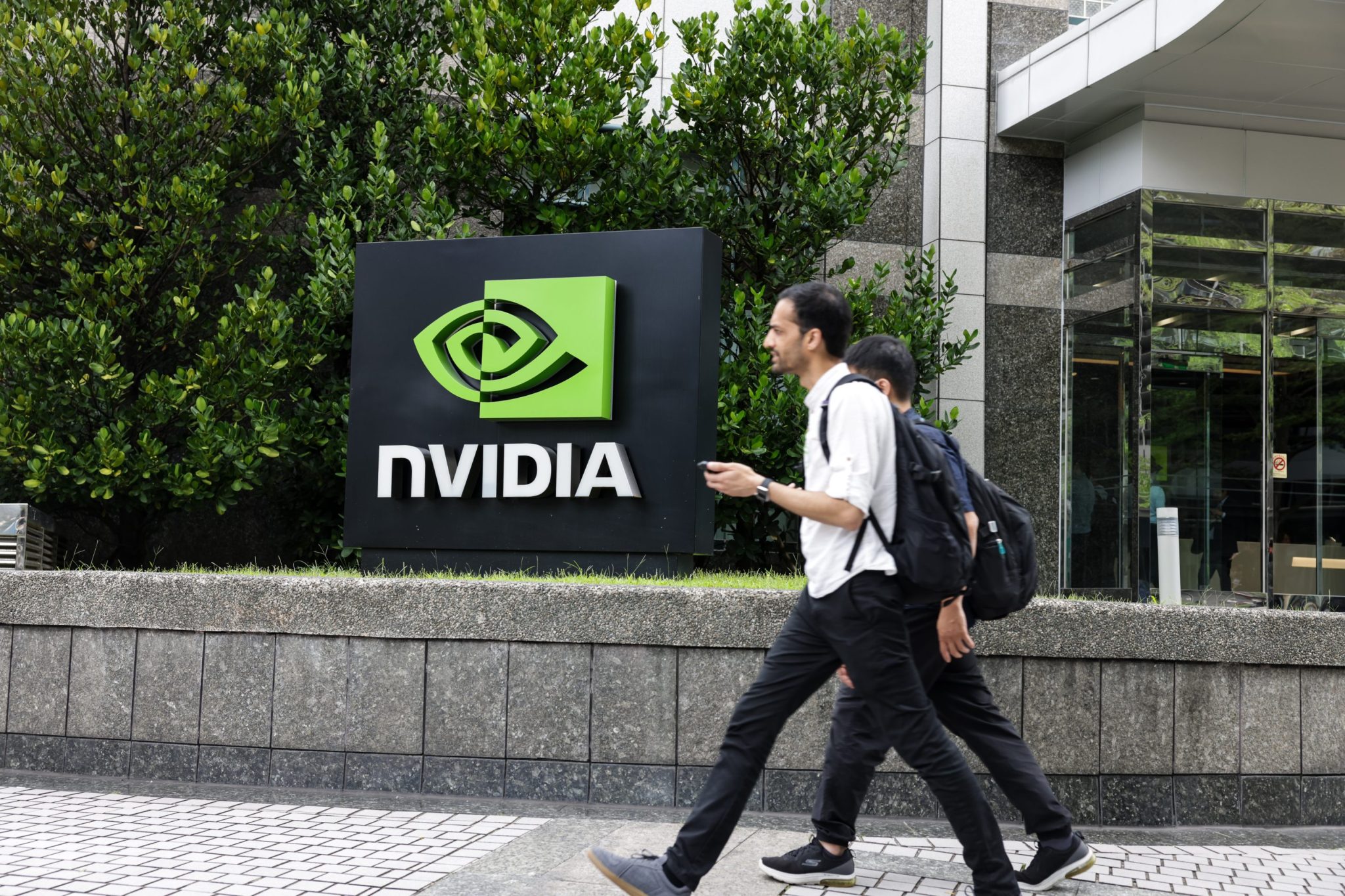
Since its inception 19 years ago, Nvidia has undergone a significant transformation. Initially recognized for manufacturing GPUs that enabled 3D graphics in video games, today Nvidia is a prominent player in the global AI industry, developing computer chips to power the training of the most advanced AI models. Nvidia CEO Jensen Huang has maintained a measured perspective on the existential risks associated with AI, stating that the chances of AI ending the world are "zero."
Despite the increasing significance of AI, Nvidia has maintained its authentic corporate culture, according to HR director Febe Punsalan. The company has experienced rapid growth in headcount and utilizes AI coding and agentic tools daily. Nvidia has ranked 14th on Fortune's 100 Best Companies to Work For in Europe, with its architecture powering 90% of the continent's AI factories.
The company is set to launch the largest GPU cluster in Europe in the U.K. As a crucial hub for Nvidia's robotics and automotive research, Europe is deemed immensely important to the company's success. However, Nvidia's culture is characterized by a flat organizational structure devoid of org charts, emphasizing a listening and initiative-driven approach rather than top-down directives.
This approach has contributed to Nvidia's low employee turnover rate of 3.7%, compared to the technology industry average of 21.9%, and in the U.K., 95% of employees consider it a "great place to work," compared to a 54% average for U.K.-based organizations.
Written by urgent.news from Fortune's reporting — not their text. Machine-written — may contain errors; check the original before relying on it.