Nvidia's big bet on physical AI aims for safer robotaxis, humanoid robots
Full-stack safety solution for physical AI is being used by robotics companies.
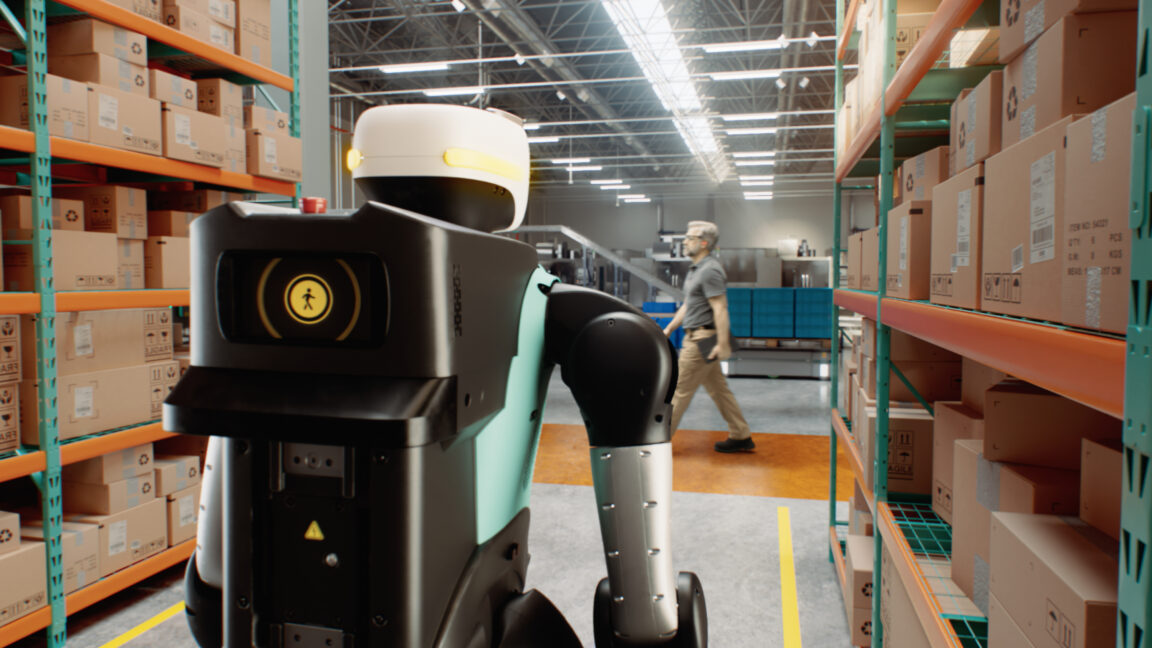
Investors who are optimistic about AI data centers have likely contributed to Nvidia's multi-trillion-dollar market capitalization. However, the AI chipmaker has also invested billions of dollars in physical AI technologies such as robotics and self-driving cars. As part of this strategy, Nvidia developed a comprehensive safety system intended to be built upon by companies to minimize the risk of their machines causing harm to human beings.
The company's Halos system debuted in 2025, offering hardware and software tools to assist developers in implementing safety measures for self-driving vehicles and other autonomous systems. In June 2026, Nvidia further broadened its safety architecture with the introduction of Nvidia Halos for Robotics. This expansion aimed to facilitate the secure deployment of autonomous mobile robots in various settings, including warehouses, factories where humanoids navigate, and even surgical robots.
Amit Goel, head of robotics ecosystem and edge computing at Nvidia, explained to Ars that "Now the AI models are getting capable, the robot hardware is getting capable, and a thing we thought is going to be the next bottleneck is safety." Therefore, the company launched its Halos for Robotics initiative to harness the potential of these systems.
Written by urgent.news from Ars Technica's reporting — not their text. Machine-written — may contain errors; check the original before relying on it.