Naturschutz: WWF: Tierbestände nehmen weiter stark ab
Weltweit sind Wildtiere unter Druck, ihre Bestände nehmen seit Jahrzehnten immer weiter ab. Verantwortlich ist dafür der Mensch - der aber auch etwas tun kann.
A recent WWF report reveals that wildlife populations continue to decline dramatically across the globe. Between 1970 and 2022, vertebrate populations, on average, have shrunk by 73 percent. The largest declines are found in rivers, lakes, and other freshwater habitats, where populations have dropped by an average of 85 percent.
On land, populations have decreased by 69 percent, while in the oceans, the decline is 59 percent. Human activities are primarily responsible for these losses, including food production, energy supply, and the financial system. Habitat loss, particularly the clearing of forests, is a major driver of this trend. An estimated 420 million hectares of forest were lost between 1990 and 2020, often to make way for agriculture.
Fishing practices protect marine species, with lower catch quotas and increased controls contributing to a slowdown in the decline of certain tuna species. However, the decline continues for many sharks and rays. Freshwater species are particularly vulnerable, facing numerous human-induced pressures such as water pollution, overexploitation, canalization, and dam construction, which threaten fish populations.
Infrastructure projects also impact other species, including river dolphins, otters, crocodiles, and large tortoises. Without biodiversity, humans lack a foundation for their livelihoods. We rely on biodiversity for food, water, and clean air, according to Kathrin Samson, WWF Germany's Head of Conservation. However, there is reason for hope: reversing the downward trend in biodiversity is possible if nature protection is firmly embedded in economics, politics, and society.
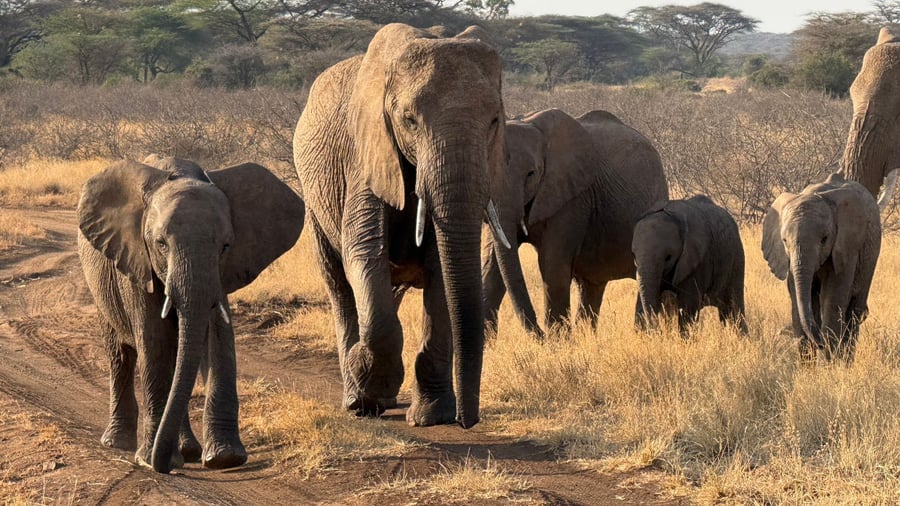
The global downward trend affects not all wildlife populations, with about half remaining stable or increasing. However, the index shows an average 73 percent decline due to the significant population declines. Targeted conservation measures can enable recovery for species like the green sea turtle, the tiger, and some elephant populations in southern Africa.
Often, political will and cooperation between governments, conservation organizations, and local communities are crucial. The Living Planet Report's main data source is the Living Planet Index created by the Zoological Society of London. It has tracked the size of vertebrate populations worldwide since 1970, covering 5,790 species of mammals, birds, fish, reptiles, and amphibians. This represents about 7.4 percent of all known vertebrate species.
Written by urgent.news from Handelsblatt's reporting — not their text. Machine-written — may contain errors; check the original before relying on it.