Mumbai Air Pollution: AQI Drops 43 Points In 48 Hours To 120; Worli, Deonar Among Worst-Affected Areas
Mumbai, October 8, 2026: As the weather changes and all construction activities begin in the city, the air quality index (AQI) has started plummeting yet again. On Thursday, the overall AQI of Mumbai was recorded at 120, a 43-point drop within 48 hours. Several areas recorded AQI above 150. Worst AQI In Worli As per Central Pollution Control Board (CPCB) data, as of Thursday evening, the areas…
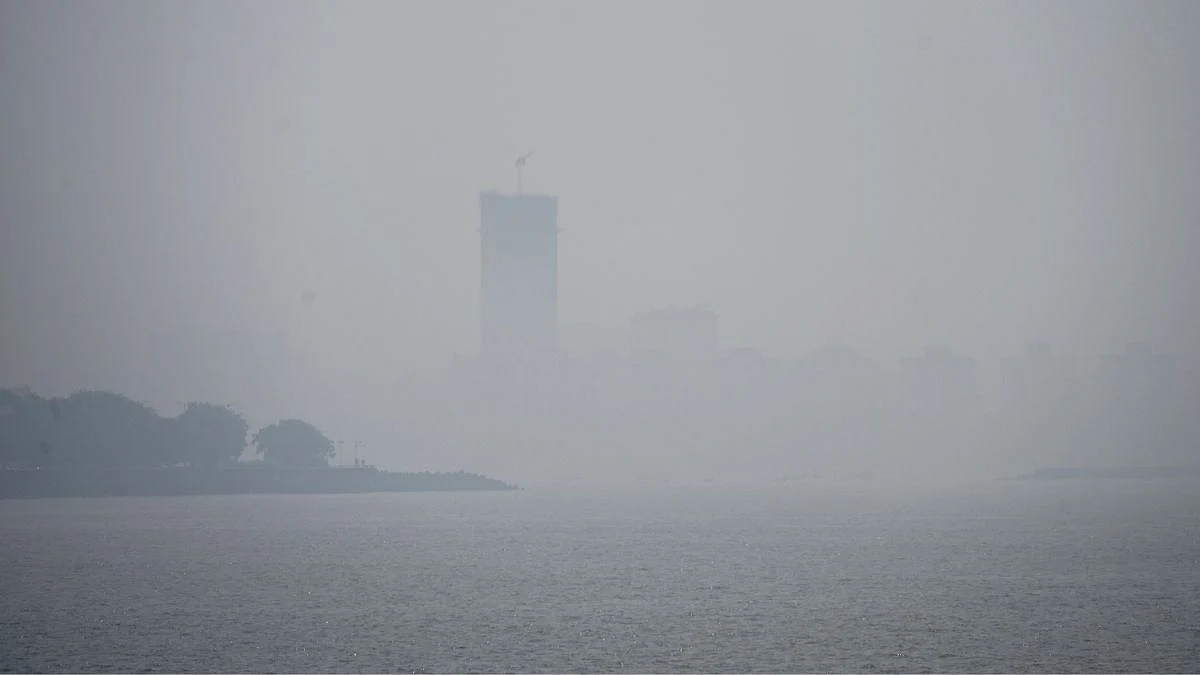
Mumbai, on October 8, 2026, saw a 43-point decline in the Air Quality Index (AQI) over a 48-hour span, reaching 120, according to the Central Pollution Control Board (CPCB). The drop came as construction activities resumed in the city, amid changing weather conditions. Several neighborhoods reported AQI readings exceeding 150, with Worli registering the highest at 164, followed by Deonar at 154 and Navy Nagar-Colaba at 151.
Other notably polluted areas included Bandra East (147), Mazgaon (142), Bandra Kurla Complex (130), Kurla (128), and Chembur (126).
Only 20 out of 30 recording stations in Mumbai were active on Thursday, as per the CPCB's AQI bulletin. The Brihanmumbai Municipal Corporation (BMC) announced an 'Air Pollution Control and Enforcement Action Plan-2026' in response to the poor AQI, aiming to address pollution from major sources and intensify enforcement. The plan identifies at least 10 air pollution hotspots in every ward, with updated maps for regular monitoring.
Major construction, redevelopment projects, open waste-burning sites, debris dumping locations, and traffic congestion points will be prioritized under the hotspot mapping exercise. A designated officer will monitor each hotspot, and the BMC will enforce strict measures against violators.
The BMC is currently conducting a Post-Monsoon Deep Cleaning Drive to remove accumulated mud, silt, and dust after the monsoon season. Major roads, medians, junctions, and road edges will be targeted for cleaning using recycled water or misting. Developers and contractors are now responsible for maintaining clean adjoining roads based on the size of their projects.
Smaller projects (up to 4,000 sq m) must keep 100 meters of adjoining roads clean, while larger projects (between 4,000 and 10,000 sq m) and those exceeding 10,000 sq m must clean 200 meters and 500 meters, respectively, of adjoining roads.
The BMC will continue monitoring AQI and implement measures under the Graded Response Action Plan (GRAP) based on pollution severity. If the AQI at a monitoring station remains above 300 for three consecutive days, the plan mandates the suspension of polluting activities within a 2-kilometer radius.
Written by urgent.news from Free Press Journal's reporting — not their text. Machine-written — may contain errors; check the original before relying on it.