MPs are caught in a welfare catch-22
The more a constituency depends on welfare, the stronger the incentive for its MP to leave it alone, whichever party they sit for.
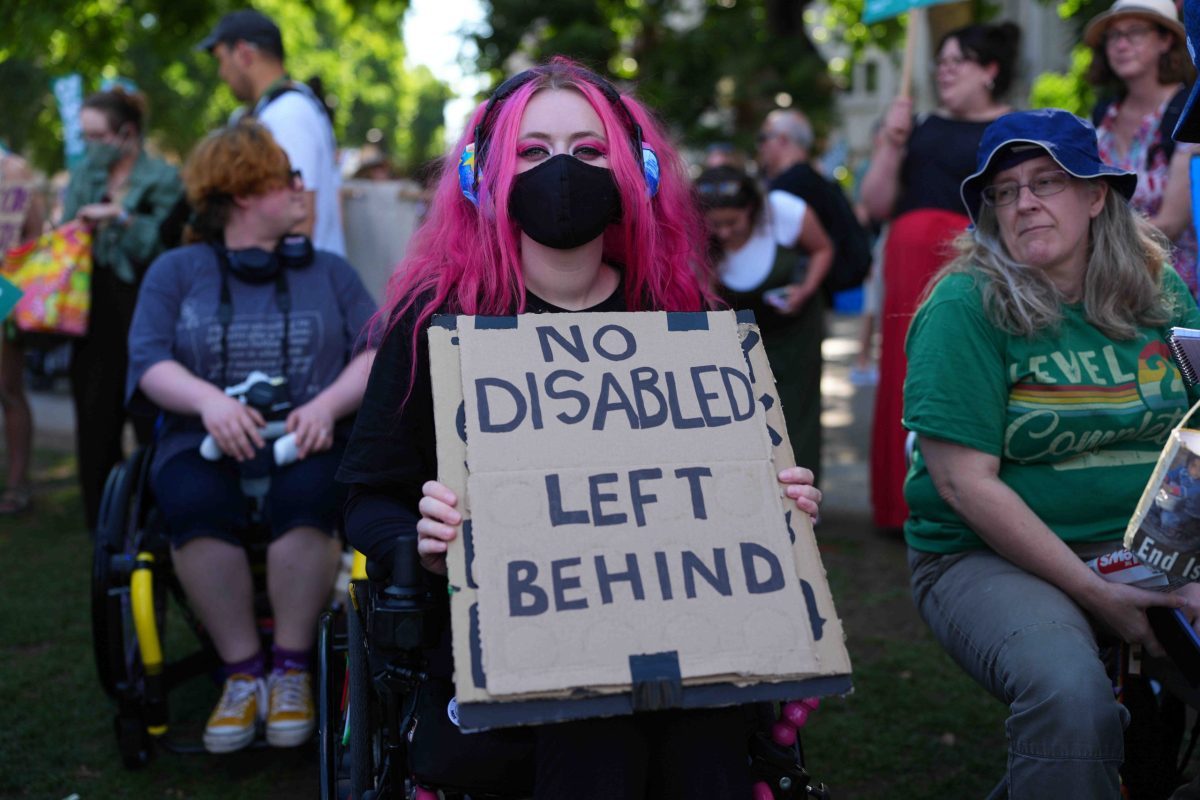
The escalating welfare bill poses a significant challenge for politicians across the political spectrum. As the country's financial commitments continue to expand, the pressure on MPs to address welfare spending intensifies. However, the more a constituency relies on welfare, the more their MPs are disincentivised to make cuts, irrespective of their party affiliation.
This phenomenon is evident in the rapid growth of disability benefits, with spending forecast to double in the next decade, particularly due to a surge in psychiatric PIP claims. This upward trajectory has led to an estimated £400bn per year by 2030-31, a 30% increase from the current £400bn annual cost. The Taxpayers' Alliance has developed a benefits dashboard to track these escalating expenditures, highlighting the urgency of the situation.
While every party faces the daunting task of reducing the welfare bill, each is hampered by the same constraint: the MPs who hold the key to this reform are often the ones who stand to lose by doing so. In this regard, Labour stands out as the most vulnerable, with 72.7% of PIP claimants residing in constituencies that make up 65.5% of England and Wales.
Reform faces an uphill battle in these areas, as evident from the Timms review, which has explicitly stated its intent to avoid reducing PIP spending. The predicament faced by the three main parties underscores the complex challenge they must navigate if they are to bring the welfare bill under control, even though the consequences could be electoral suicide in the constituencies they need to win.
Written by urgent.news from City AM's reporting — not their text. Machine-written — may contain errors; check the original before relying on it.