Medical Debt Is Crushing Hospital Patients in Los Angeles. Health Officials May Have a Fix.
In Los Angeles County, the nation’s most populous, a new system could screen hospital patients for financial aid, preventing hundreds of thousands from getting bills they can’t pay.
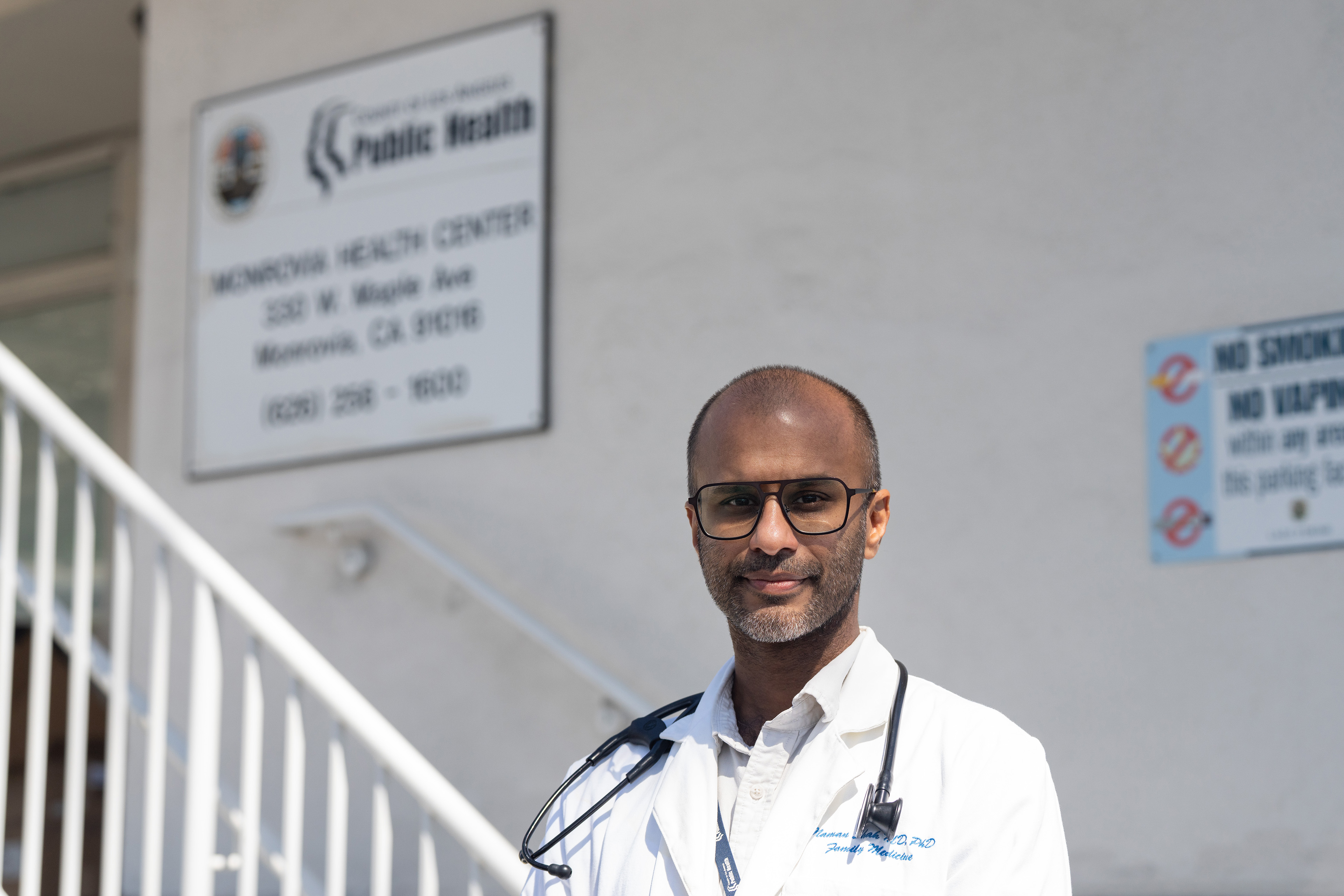
Every Tuesday, Naman Shah, a physician and epidemiologist at the Los Angeles County Department of Public Health, examines tuberculosis patients at a small public clinic in the San Fernando Valley. His work is part of an initiative to control infections, focusing on preventing disease before it spreads. Today, Shah and his colleagues are tackling another pressing issue: medical debt.
Their goal is to stop low-income families from getting buried under debt due to hospital bills. This project could prevent several hundred million dollars in medical debt annually in Los Angeles County, which is home to about 800,000 residents struggling with unpaid medical bills. In the United States, an estimated 100 million adults face some form of healthcare debt, with the vast majority of them unable to afford prescription medications or medical appointments, leading to a vicious cycle of worsening health and financial strain.
Hospitals typically offer financial aid to patients with low incomes, but the process can be challenging, and many eligible patients never seek help. Jared Walker, founder of Dollar For, a nonprofit that assists patients nationwide in applying for aid, notes that most patients don't realize they can receive financial assistance when they visit a hospital.
This lack of awareness fuels medical debt and creates an unnecessary burden on low-income patients who are unlikely to be able to pay off their bills. To address this problem, Shah and his team have introduced a new system called presumptive eligibility, which automatically screens and qualifies low-income patients for financial aid without requiring an application.
This system, which relies on software to check patient eligibility based on publicly available information, has been shown to increase the amount of financial aid hospitals provide patients by up to 50%. While some hospitals already use presumptive eligibility systems, only about 20% of hospitals in Los Angeles County currently utilize them.
Public health officials are working to help more hospitals adopt this system, as it can be expensive to implement and may be challenging for smaller hospitals to afford. However, public health officials believe that by bringing together healthcare and hospital officials in the county, they can find alternative solutions. The Hospital Association of Southern California, initially skeptical of the county's initiative, has agreed to procure a presumptive eligibility system and make it available to its member hospitals.
This bulk-purchasing approach is expected to lower the cost for individual hospitals, similar to a Costco model. Additionally, L.A. Care, a nonprofit health plan that provides Medicaid coverage to over 2.5 million low-income county residents, has committed $2 million to set up the system. The county hopes to have the new system operational by January.
However, challenges remain, such as determining how the system will be funded in the long term and ensuring that all 88 acute care hospitals in the county will use it. Another hurdle is improving the data that the system relies on to screen patients, such as linking the system to tax records maintained by the state of California to obtain more accurate information on patients' income.
Despite these challenges, advocates are optimistic about the potential benefits of this initiative to improve hospital financial aid programs and alleviate medical debt in the community.
Written by urgent.news from KFF Health News's reporting — not their text. Machine-written — may contain errors; check the original before relying on it.