Mark Zuckerberg’s Biohub gets millions from Google, US govt to build virtual cells
Mark Zuckerberg and Priscilla Chan's nonprofit Biohub has secured fresh funding from Google DeepMind, Meta, Isomorphic Labs and the US government to build a "virtual cell", an AI model that predicts how human cells respond to disease and treatment. Total investment in the Virtual Biology Initiative now stands at $1.8 billion. Biohub expects its first open dataset in about a year, with accurate…
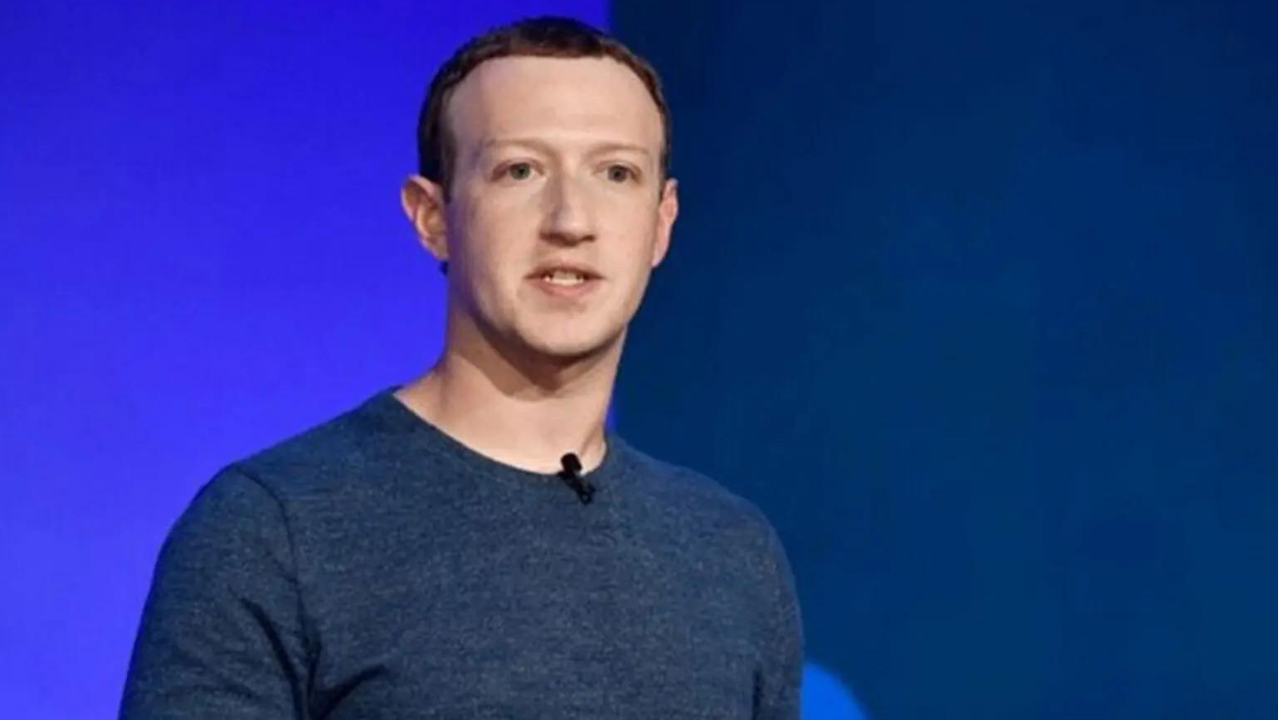
Mark Zuckerberg's Biohub has secured significant funding from Google, Meta, and the US government to develop virtual cell models. These virtual cells are AI simulations of human biology that can predict cell behavior, disease progression, and treatment responses. The total funding for this initiative has reached $1.8 billion, making it the largest coordinated investment in AI-ready biological data to date.
Google DeepMind, Meta, and Alphabet-owned drug discovery startup Isomorphic Labs are contributing $300 million to the project. The US Department of Energy (DOE) and the National Institutes of Health (NIH) have also joined the effort. The funding will be used to create open datasets that enable researchers to digitally ask, predict, and answer biological questions.
The $1.8 billion funding is allocated as follows: the DOE will invest over $500 million over five years, primarily through its Genesis Mission, which will utilize supercomputers, cryo-electron microscopy, and autonomous labs. The NIH will leverage its Bio Genesis Mission, pooling datasets and repositories with over $500 million in earlier federal funding, and standardize them for AI training. The NIH's target is "SI-ready" data, or super intelligence-ready data.
Biohub's initial $500 million investment in April 2026 focused on new measurement technologies, including cryo-electron tomography and advanced microscopy. The remaining $100 million will support research outside Biohub. Nvidia is providing computing infrastructure and software, while scientific partners include the Broad Institute, Allen Institute, Wellcome Sanger Institute, and the Human Cell Atlas.
Biohub's head of science, Alex Rives, explained that current cell datasets consist of hundreds of millions of cells, but an accurate predictive model requires billions, eventually trillions of cells. The new measurements will employ techniques like spatial transcriptomics, which maps molecular activity within intact tissue, and screens that record cellular reactions to environmental changes.
The timeline for completing this ambitious project is tight, aiming to achieve it within five years, with the first dataset ready in approximately a year. An accurate predictive model of biology could revolutionize scientific discovery by enabling researchers to perform experiments digitally. Zuckerberg and Chan have long been committed to this goal, with Biohub launching in 2016 and receiving an initial $600 million from the Chan Zuckerberg Initiative's $3 billion pledge.
Rewritten by urgent.news; may contain errors — check the original.
Source: timesofindia.indiatimes.com