Malaysia bets on AI boom with 2,300-acre Silicon Island
Malaysia is undertaking an ambitious land reclamation project in Penang, aiming to establish a cutting-edge semiconductor hub named Silicon Island. This initiative is projected to attract substantial investments and create thousands of job opportunities by 2050. The project will diversify into multiple industrial functions, moving past mere chip assembly and testing.
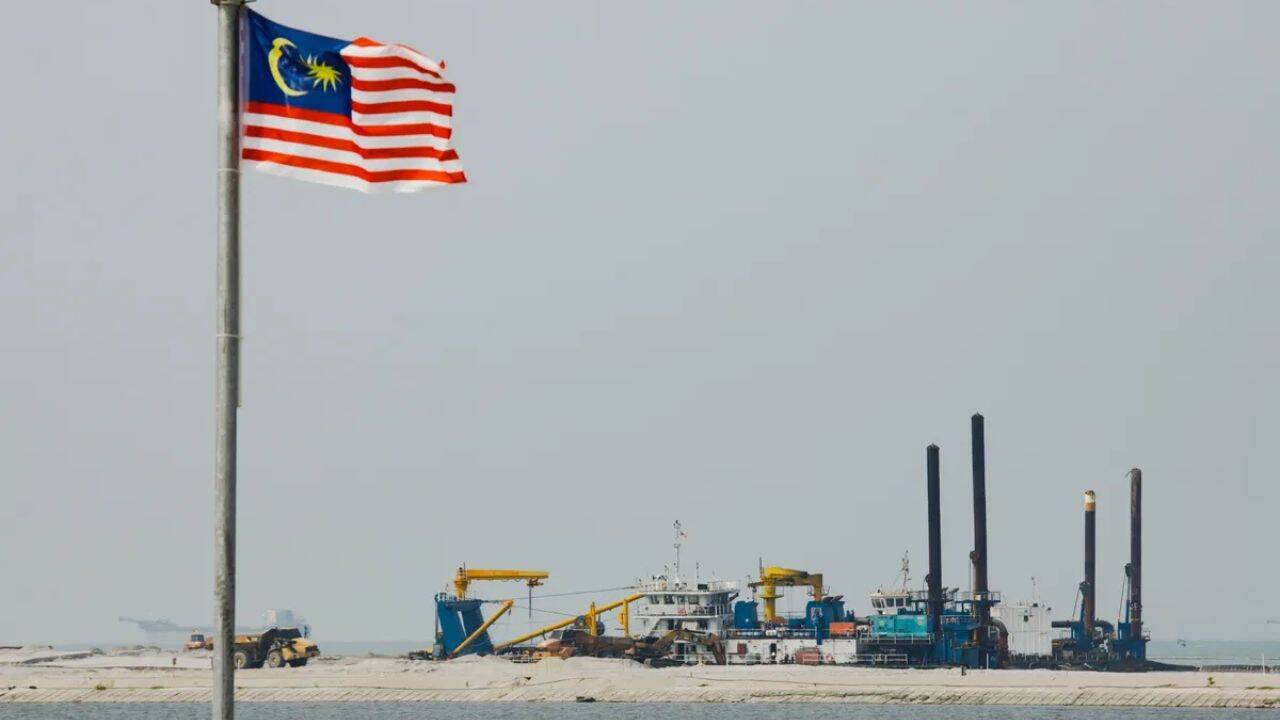
Malaysia is investing in a 2,300-acre artificial intelligence (AI) hub in the sea near Penang, known as Silicon Island, to address land limitations faced by existing industrial clusters. The project is expected to attract approximately 75 billion ringgit ($17.7 billion) in investments, contribute 1.1 trillion ringgit ($269 billion) to the country's economic output by 2050, and generate around 220,000 jobs.
Penang has been developing its electronics and semiconductor industry for over five decades, with major companies like Intel, AMD, and ASE Technology operating in Bayan Lepas.
Silicon Island aims to expand the semiconductor hub beyond traditional chip assembly and testing into higher-value areas, such as semiconductor design, advanced packaging, and automated testing. This development is timely, as the global AI boom is driving demand across the semiconductor supply chain. The project has attracted interest from both local and international firms, particularly from Taiwan and Japan.
The core of Silicon Island will be a 700-acre Green Tech Park, focusing on semiconductor design, advanced packaging, and automated testing. The first phase will operate entirely on renewable energy. However, the project's completion will require several years, with reclamation taking three to four years, and the first industrial operations expected by early 2029, with a potential development timeline of up to 15 years.
Gamuda is financing the reclamation and infrastructure costs of the 14 billion ringgit ($3.1 billion) project through a syndicated loan. The initial land sales are planned for early 2027. The island will also include residential areas, commercial facilities, green spaces, and a 29.67-km light-rail system, scheduled to connect with Bayan Lepas, Penang International Airport, and George Town. The light-rail system is expected to be operational by the end of 2031.
The project faces competition from other emerging semiconductor hubs in Singapore, Vietnam, and India, and higher land costs may make it less appealing to lower-margin manufacturers. Despite these challenges, the developers are confident that Penang's existing semiconductor ecosystem and growing AI-driven demand, rather than residential development, will drive the success of Silicon Island.
Written by urgent.news from Times of India's reporting — not their text. Machine-written — may contain errors; check the original before relying on it.