Malaria infections worrying public health experts in Keralam
The surge, driven by abundant mosquitoes and a steady influx of travellers, has prompted calls for stronger surveillance, migrant screening, and the planned distribution of insecticide-treated bed nets.
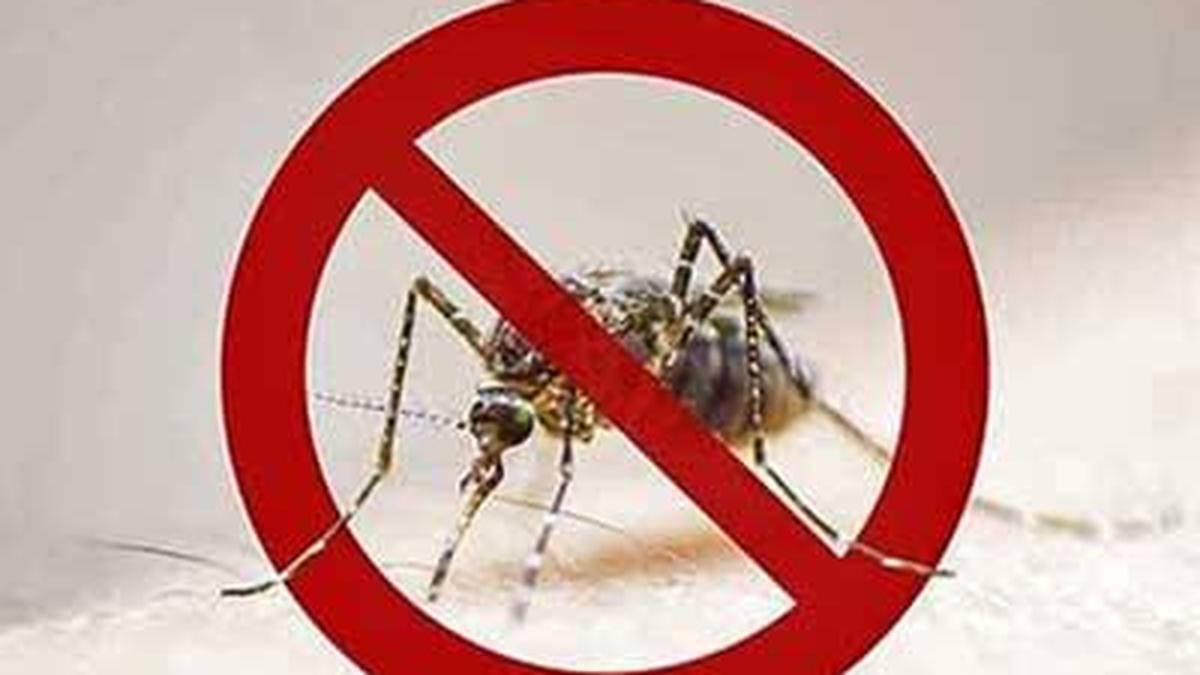
The number of malaria cases in Keralam has been increasing over the past few years, prompting concern among public health experts. While imported cases, acquired outside the state, have risen significantly, indigenous cases, resulting from local mosquito transmission, have also seen a notable rise. As of October 5, 2026, there were four confirmed indigenous cases and 974 imported cases reported.
The highest number of indigenous cases were recorded in Malappuram, Kozhikode, and Kannur regions. Health officials attribute the increase in cases to the abundance of mosquitoes and the frequent influx of travelers to the state. Kollam, previously a hotspot for such cases, is now in a recovery phase. Officials recommend strengthening surveillance measures, screening for malaria among migrants, and intensifying testing for asymptomatic fever cases.
The Health department plans to distribute insecticide-treated bed nets in regions with indigenous cases to prevent further spread. Experts warn that the conditions are ripe for malaria to become endemic in the state due to increased travel and the influx of migrant populations from disease-endemic regions. The Health department's efforts since the 1960s in eradicating malaria have been successful, but the rise in cases due to modern factors like climate change and frequent domestic worker movement is a cause for concern.
Written by urgent.news from The Hindu's reporting — not their text. Machine-written — may contain errors; check the original before relying on it.