Lithuania puts up to 100 soldiers on Kaliningrad border as officials brace for possible Russian mobilization
The move comes as Moscow rejects reports of a new call-up while Ukrainian officials warn Russia is preparing to expand its forces.
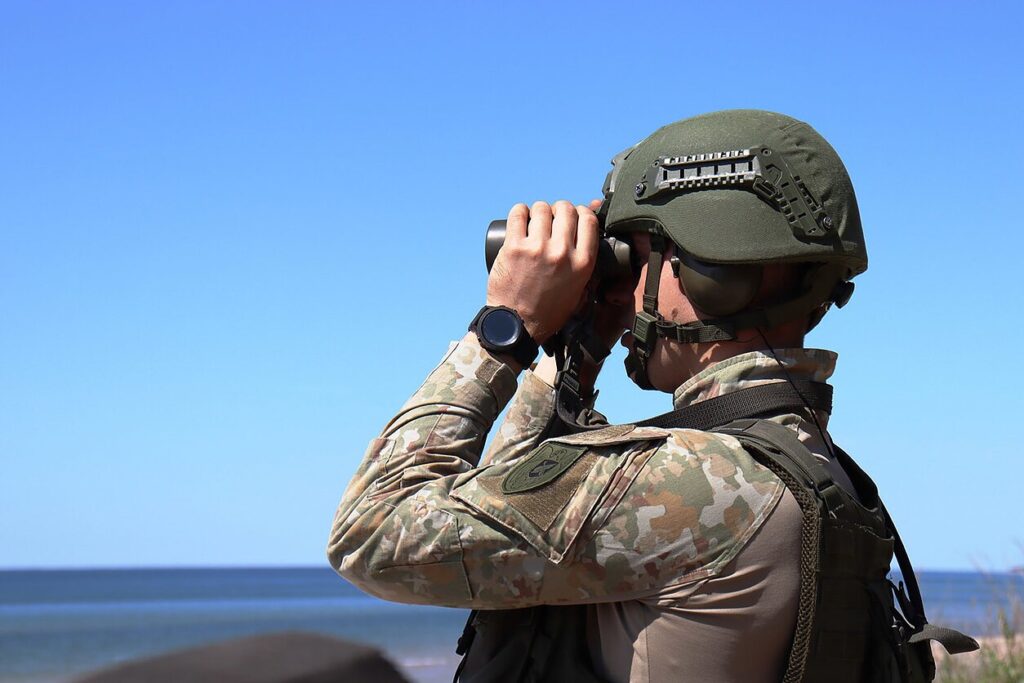
Lithuania is set to deploy up to 100 soldiers to bolster border security along its shared frontier with Russia's Kaliningrad Oblast, according to Defense Minister Robertas Kaunas. The move, announced on October 7th, is being portrayed as a preventive measure in anticipation of potential Russian mobilization and a recent incident on the Latvia-Belarus border, where masked armed escorts attempted to push migrants into Latvia.
Interior Minister Martynas Katelynas stated that Lithuania could be facing individuals attempting to circumvent mobilization and seek asylum. Kaunas granted permission for Lithuanian soldiers to strengthen border protection for the coming weeks, with the order beginning implementation immediately.
Kaunas confirmed that the deployment would commence on October 8th, lasting two weeks with the potential for extension. The Lithuanian army will carry out the task in coordination with the State Border Guard Service, involving patrol duties, mobile patrols, observation posts, and military police crews. Kaunas emphasized that the deployment was a routine form of interagency cooperation and highlighted the absence of physical barriers on the Kaliningrad side of the border, unlike the border with Belarus.
Katelynas expressed concerns over the strained capacity of Lithuania's border guard service, citing increased shifts due to a growing number of personnel without corresponding increases in officer numbers. He insisted that the threat level remained unchanged and highlighted the calm atmosphere at Lithuania's border, rejecting calls for panic.
Russia has denied plans for a new mobilization, with President Vladimir Putin dismissing reports as an "information attack" and Ukraine's intelligence services attributing the preparation of a scenario to mobilize up to 600,000 people over the next two years to the Russian General Staff.
Written by urgent.news from Euromaidan Press's reporting — not their text. Machine-written — may contain errors; check the original before relying on it.