Leveraging F1 for tourism and economic gains
LETTER: The 2026 Bahrain Grand Prix in Malaysia was awesome. Congratulations to Max Verstappen for his first win of the 2026 season despite the rain, delays and rapidly changing conditions.
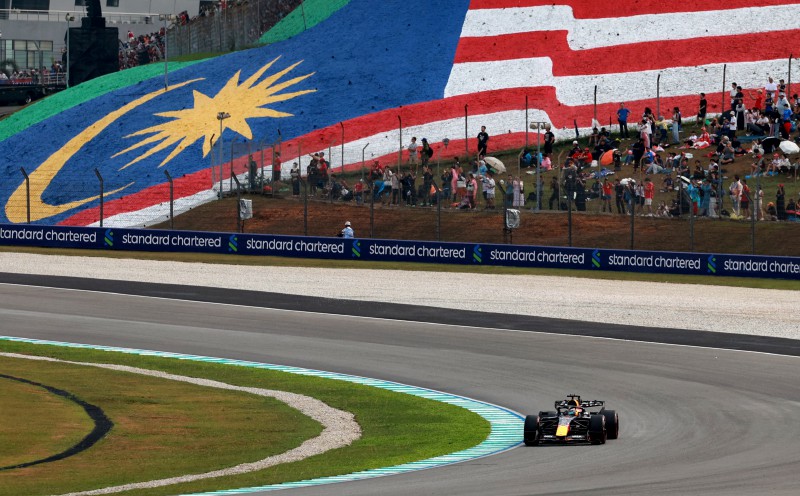
The 2026 Bahrain Grand Prix in Malaysia proved to be a memorable event, despite the challenges posed by rain, delays, and rapidly changing conditions. Max Verstappen secured his first win of the 2026 season under such adverse circumstances. The legendary Sepang circuit, with its long straights, fast corners, and wide racing surface, provided ample opportunities for drivers to showcase their skills while technical sections tested their precision. The unforgiving heat, humidity, and the ever-present threat of tropical rain added to the drama.
A record-breaking 261,000 spectators attended the race weekend, with 103,000 on race day alone. The enthusiastic Malaysian crowd became a defining feature of the event, generating praise from fans worldwide and increasing calls for Sepang to once again participate in Formula 1. The significance of this unexpected Grand Prix extends beyond motorsport, as Formula 1 serves as a powerful global platform.
The host country can leverage this platform to showcase its attractions, drawing visitors who contribute to the wider tourism economy.
Beyond the numbers, the race attracted visitors who stayed in hotels, utilized local transportation, dined at restaurants, shopped, and even explored destinations beyond Sepang. Team social media channels and drivers' visits to Malaysian locations further extended the event's reach, promoting Malaysia to a global audience. To maximize the economic benefits, discussions are underway to bring Formula 1 back to Malaysia on a more permanent basis.
Prime Minister Datuk Seri Anwar Ibrahim has indicated a willingness to consider Sepang's future participation, provided there are significant financial and operational commitments.
If the 2027 calendar faces disruption, Sepang could potentially serve as a Plan B, showcasing its readiness and capacity. Alternatively, Formula 1 could reserve two or three wild-card slots each season, allowing various countries and circuits to join the calendar periodically. The opportunities for Malaysia to benefit from Formula 1 extend beyond the race itself, offering the potential for lasting tourism and economic value.
Written by urgent.news from New Straits Times's reporting — not their text. Machine-written — may contain errors; check the original before relying on it.