Lethal injections are not as humane as suggested, say experts
The botched execution of Christa Pike exposes the fallacy of lethal injections being the most humane method of execution.
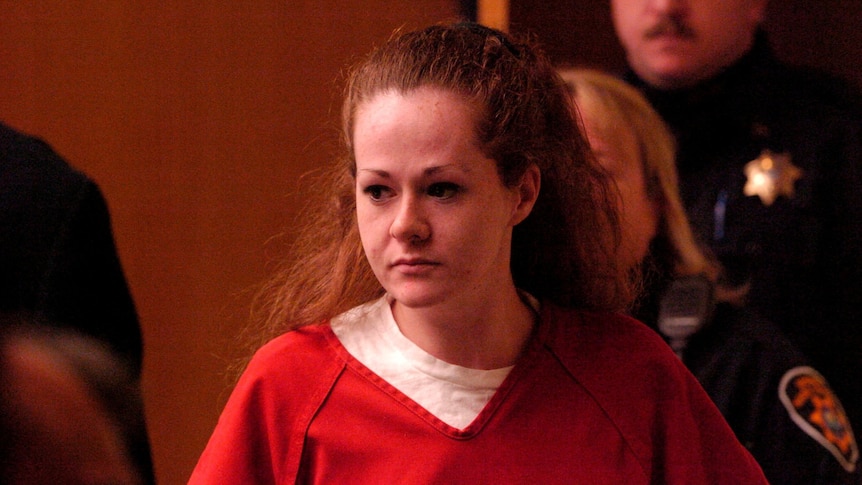
The lethal injection method of execution is being challenged by legal experts who argue it is not as humane as commonly believed. In a recent case, Christa Pike, a convicted murderer, regained consciousness after her planned lethal injection, sustaining significant injuries. Her legal team alleges that up to seven syringes were used and one was bent, causing blistering and injuries consistent with injections under the skin rather than into veins.
US legal academics contend the botched execution of Pike exposes lethal injection as anything but humane. The botch rate for lethal injection is double that of other execution methods, according to experts. University of Richmond law professor Corinna Barrett Lain, a former prosecutor, stated that perceptions of lethal injections are warped, as they offer a false sense of peace for the condemned.
She noted that in 2022, one in three lethal injections failed, up from 7 to 8 percent nationally. Additionally, 84 percent of lethal injection executions show acute flash pulmonary edema, meaning prisoners are drowning in their own fluids. The botch rate is attributed to the distance from which the syringe is pushed through tubing, and the lack of medical professionals and access to drugs.
Tennessee, one of over half of US states with the death penalty, has a history of botched executions, with Pike's failure being the second in the state this year. Pike's lawyers are calling for her sentence to be commuted to life in prison without parole.
Written by urgent.news from ABC News AU's reporting — not their text. Machine-written — may contain errors; check the original before relying on it.