Landmark ASEAN digital pact will guide region on AI, digital economy: Marcos
Parties are also making “good progress” on the code of conduct for the South China Sea, Philippine President Ferdinand Marcos Jr said at a forum in Singapore.
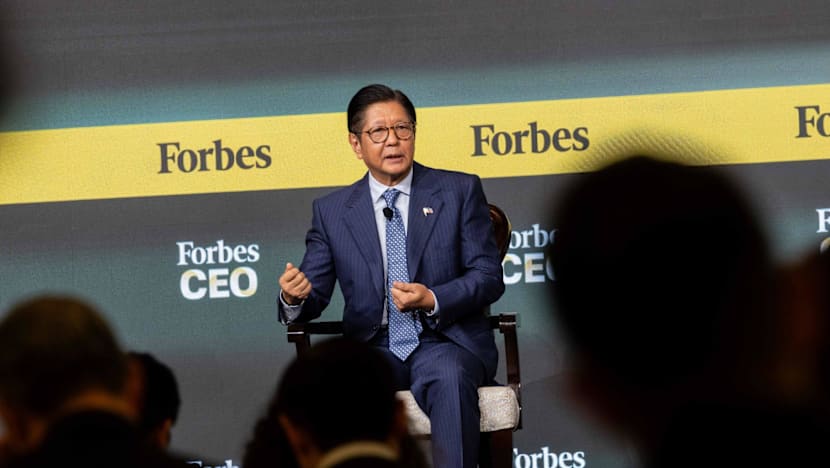
Philippine President Ferdinand Marcos Jr highlighted the importance of a newly signed regional digital economy agreement during the 49th Association of Southeast Asian Nations (ASEAN) Summit in Singapore on Thursday (Oct 8). The ASEAN Digital Economy Framework Agreement (DEFA), first announced in 2023, establishes common rules and frameworks that facilitate digital trade, supports trusted cross-border data flows, enhances digital payments and electronic transactions, and strengthens online consumer protection. The Philippine government aims to formalize DEFA at the November summit.
Marcos noted that discussions surrounding important industries like artificial intelligence (AI) should not be confined to a single region or sector. He emphasized that the agreement aims to create a roadmap and guide for different countries to follow in various industries, including AI. The Philippines, currently leading ASEAN, had previously expressed concerns about the bloc's insufficient focus on AI.
Inspired by the ASEAN Power Grid initiative, which connects member countries' electricity networks, Marcos proposed a similar concept for AI.
Regarding tariffs, Marcos stated that the Philippines must adapt to any imposed tariffs, such as those from the United States, the European Union, or other entities. US tariffs on Philippine exports, imposed in July, include a 12.5 percent tariff on selected goods, following penalties for failing to adopt adequate safeguards against goods made with forced labor.
In 2025, US goods exports to the Philippines amounted to US$40.9 billion, a 10.9 percent increase from 2024, but a 73.6 percent increase in the US goods trade deficit with the Philippines, reaching US$8.5 billion.
Marcos reiterated the Philippines' commitment to promoting trade and urged all involved parties to make necessary adjustments and negotiations to encourage continued trade. The Philippine economy is expected to grow by 3.7 percent in 2025, according to the World Bank. He also discussed the progress made on the code of conduct for the South China Sea, stating that parties are making "good progress" on the negotiations, though he did not provide further updates on the matter.
Written by urgent.news from CNA - Singapore's reporting — not their text. Machine-written — may contain errors; check the original before relying on it.
This story
This is one outlet's version. Read the fullest account.
- Landmark ASEAN digital pact will guide region on AI, digital economy: Marcos channelnewsasia.com