Konjunktur: Warum die deutsche Wirtschaft stärker wächst
Iran-Krieg, Donald Trumps Handelspolitik, harte Konkurrenz aus China: Auch Deutschlands Wirtschaft leidet unter solchen Turbulenzen. Nun schlägt sie sich besser als erwartet - doch ist das von Dauer?
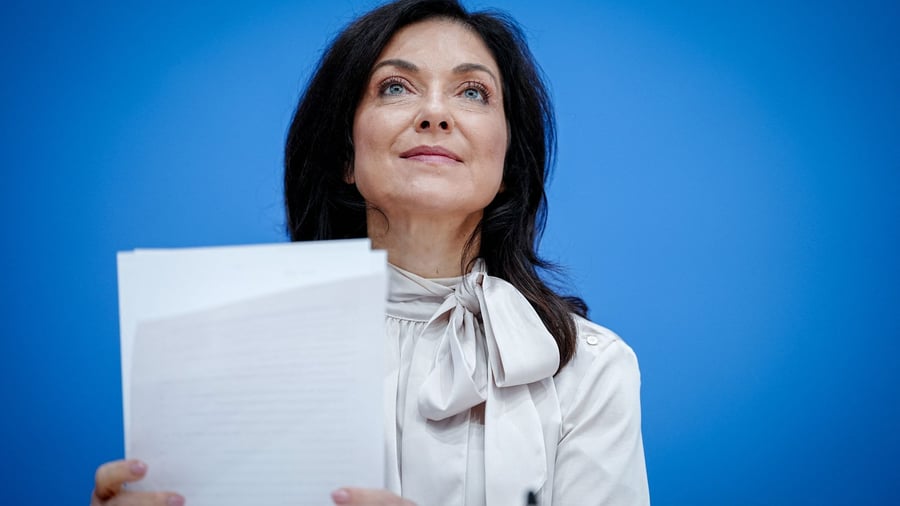
Despite ongoing crises with global impact, such as the Iran war, the German government has significantly revised its growth expectations for the current year upward. They now anticipate economic growth of 1.3 percent for the current year, compared to the previous 0.5 percent forecast in April. This improvement is primarily due to the resilience of the German economy, which proved more robust than anticipated in the face of the Iran war, escalating energy prices, and strong export performance.
The German export sector even benefited temporarily from global shortages: buyers stockpiled energy-intensive goods produced in Germany as the conflict in the Gulf region unfolded. Wirtschaftsministerin Katherina Reiche highlighted steel, fertilizer, and aluminum as examples of products that benefited from the AI boom. The German economy is also projected to grow by 1.1 percent in 2027.
However, future growth will depend heavily on the developments in geopolitical conflicts in the Middle East and Ukraine. For 2028, the government predicts only a modest 0.6 percent growth. Despite the optimism, leading economic research institutes had already raised their growth forecast for Germany to 1.3 percent by late September, previously warning of an "energy price shock" in the spring.
The Iran war's impact remained less severe than initially feared, thanks to the strong export performance. Nonetheless, the recovery remains fragile, according to Reiche, who called for reforms to ensure sustained growth. Without self-sustaining growth, Germany cannot return to the top, and without growth, distributional conflicts will intensify.
The key to securing strong growth lies in reducing bureaucracy, speeding up company formation, implementing social reforms, and lowering energy prices. A shortage of skilled workers poses a challenge for the labor market, as labor participation is expected to decline in the coming years. Reiche emphasized the need to make better use of the existing workforce potential, stating that besides capital, growth requires talent and workforce.
Longer working hours in Germany compared to countries like Spain, Greece, and the USA underscore the need to increase overall labor productivity. The German Federation of Family Businesses warns against overoptimism, noting that a small cloud could undermine the overall positive outlook. August export data showed a slight decline of 0.8 percent after calendar and seasonal adjustments, bringing total exports to 137.6 billion euros.
Despite the export growth narrative, the Handelskammer (German Chamber of Commerce) cautioned against excessive optimism, citing trade policy uncertainties and structural disadvantages as factors hindering the export sector. The current slowdown suggests that export growth has been superficial, relying mainly on increased exports within the EU and debt-financed government spending.
Without substantive economic policy reforms, this growth is unlikely to be sustainable. Lower costs, reduced bureaucracy, faster procedures, and modern infrastructure are essential for maintaining this fragile recovery.
Written by urgent.news from Handelsblatt's reporting — not their text. Machine-written — may contain errors; check the original before relying on it.