Jim Farley is right about Gen Z and blue-collar work. We see firsthand how the industry is failing them
At the International Youth Foundation, we've spent over a decade building automotive talent pipelines in Mexico and South Africa and One lesson holds up.
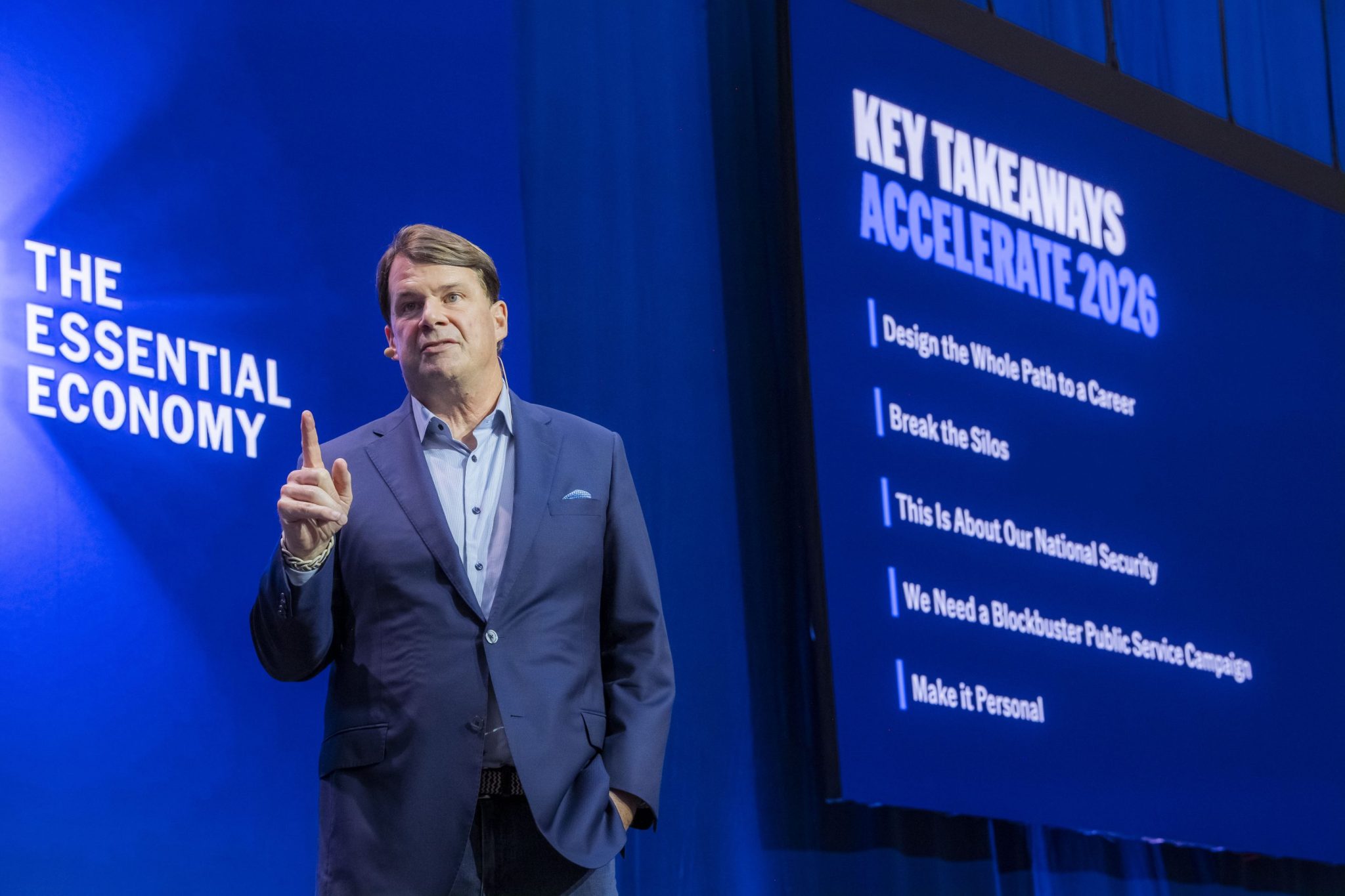
Ford CEO Jim Farley has recently asserted that "the air we breathe is a four-year degree," highlighting the prevailing belief that college is the default path for young people. This perspective has led Ford to commission research through the Ad Council, exploring students', parents', and teachers' views on skilled trades. The Alliance for America’s Skilled Trades, a joint initiative led by Ford, Google, BlackRock, and Carhartt, released a comprehensive report detailing the nation's needs in skilled trades.
One striking statistic revealed that while 71% of teens would be proud to pursue a skilled trade and 81% of parents would be proud of their child's decision, only 48 out of every 100 people who begin an apprenticeship complete it. An even smaller percentage, 29, remain in a trade five years later. The primary challenges lie in finishing the apprenticeship and maintaining employment in the trade.
Employers bear significant responsibility in addressing these issues, as they control the destination and the attractiveness of the pay. Recent initiatives by Ford and its partners aim to tackle these barriers. Ford has invested in solutions to help trainees attend classes, addressing financial and logistical constraints. Employers must also ensure that apprentices receive fair compensation during their training and provide necessary tools.
Embedding curriculum with employers who will hire the graduates is crucial to ensuring completion rates. Partnerships between automotive manufacturers, suppliers, and other companies have led to the development of tailored technical tracks in automotive painting, tool and die manufacturing, and automation. The curriculum must evolve to meet the demands of the modern workforce, with a focus on varied, complex tasks that require human judgment.
Industry experts emphasize that the jobs most resistant to automation require these skills. To further improve completion and retention rates, Ford and its partners should publish completion and five-year retention rates for funded or run training programs. This level of transparency will allow for accountability and the identification of successful programs.
Employers should also assume a more active role in curriculum development and ensure that apprentices are compensated during their training, with tools provided as necessary. Ultimately, the goal should be to attract young talent to the trades by offering competitive wages and a clear path to employment.
Written by urgent.news from Fortune's reporting — not their text. Machine-written — may contain errors; check the original before relying on it.