Japan explores ‘ownership’ of nuclear submarines as regional rivalries worsen
Japan is expected to float the idea of acquiring a fleet of nuclear-powered submarines in revised security documents to be released later this year, with analysts suggesting that Tokyo’s initial aim is to promote discussion of the issue and overcome the public’s concerns. Analysts acknowledge there will inevitably be pushback from some sectors of Japan – the only nation to have suffered a nuclear…
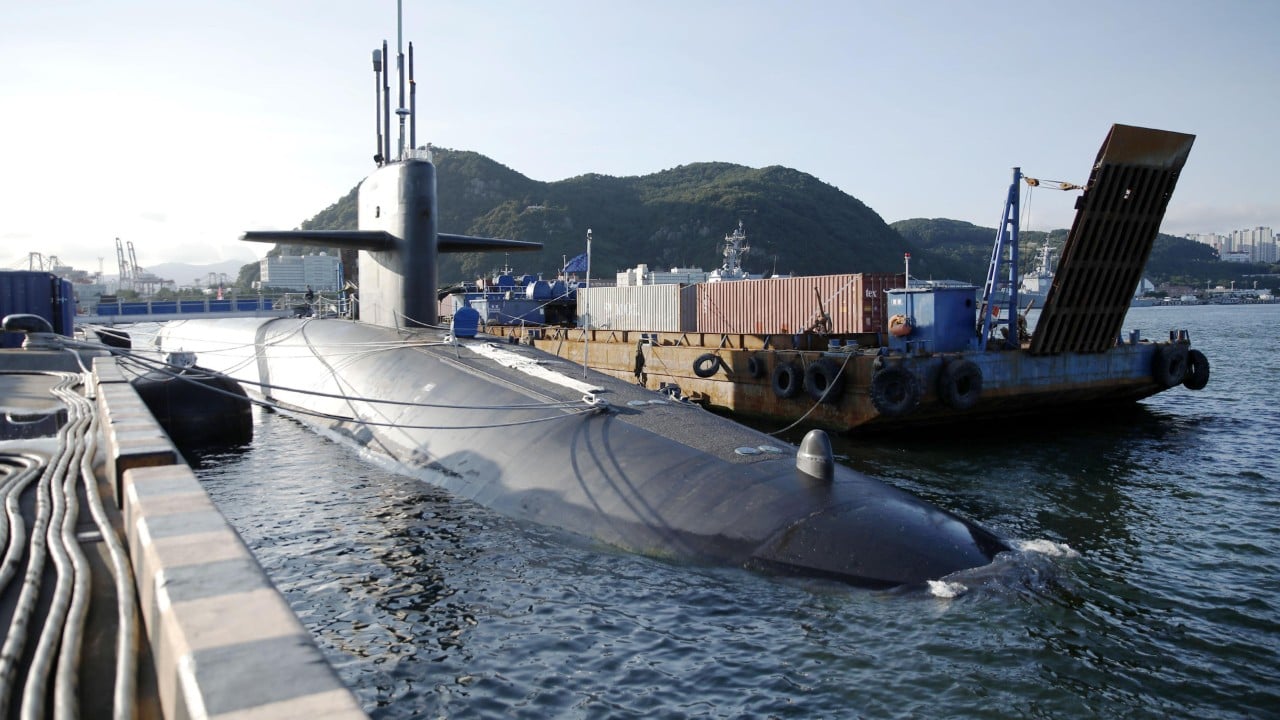
Japan may soon propose the acquisition of nuclear-powered submarines in revised security documents, according to analysts, as regional tensions escalate. The idea aims to spark discussion and address public concerns about the country's security. However, some sectors of Japan, particularly those affected by the 1945 nuclear attack, may oppose the move.
The Yomiuri newspaper reported that an expert panel examining changes to the National Security Strategy is considering the feasibility of domestically built nuclear submarines. If public support is strong, the project could proceed. Professor Tadashi Anno from Tokyo's Sophia University noted that attitudes toward national security have shifted positively in Japan over the past decade, making people more accepting of military advancements.
The report also highlighted South Korea's decision to obtain nuclear submarines, which could bolster Japan's argument for adopting a similar strategy. However, experts stress that a Japanese nuclear-powered submarine is at least a decade away, as Japan currently lags behind the US and Chinese navies in submarine capabilities. While there may be some resistance due to the memory of Hiroshima and Nagasaki, as well as concerns following the Fukushima nuclear disaster, public opinion on nuclear power has softened.
Nonetheless, Japan would still require surface ships to operate effectively in the Pacific, and a full blue-water capability would still be beyond its reach. The political landscape in Japan is complex, with conservative groups advocating for a broader nuclear strategy, while acknowledging the need to reduce dependence on the US for security.
Written by urgent.news from South China Morning Post's reporting — not their text. Machine-written — may contain errors; check the original before relying on it.