‘It’s Difficult To Justify the Investment’ – How MMORPGs Built (and Lost) the Live-Service Throne
How MMORPGs like World of Warcraft and EverQuest started the industry's obsession with never-ending live-service games.
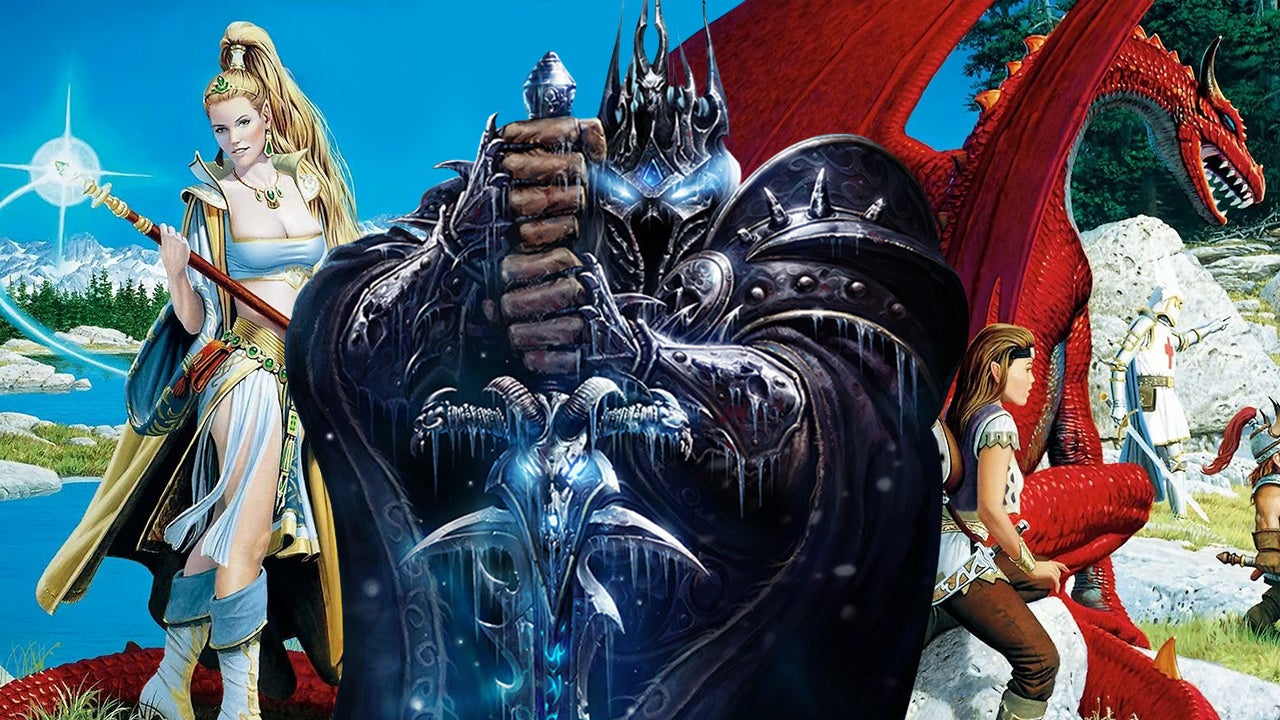
In the 2000s, MMORPGs (Massively Multiplayer Online Role-Playing Games) set the stage for the live-service throne. These games, such as World of Warcraft, RuneScape, and EverQuest, revolutionized online multiplayer gaming by offering expansive, continually evolving worlds for players to explore and interact in. The key characteristic of these early live-service games was their ability to evolve and expand beyond their initial launch, often through microtransactions and subscription models.
However, as the industry evolved, many MMORPGs found themselves bogged down by aging technology, leading to a shift towards the more modern live-service model. This new breed of games, exemplified by titles like Roblox, can take many forms, from intense battle arenas to vast looter shooters, and have proven highly successful, with games like Aion 2 quickly climbing the ranks on Steam's Most Played list.
Meanwhile, other long-standing MMORPGs continue to thrive, with some even celebrating 25 years since their inception. Despite the shift towards live-service games, MMORPGs remain a vital part of the gaming landscape, providing players with rich, communal experiences that set them apart from the more transient communities found in modern live-service titles.
Written by urgent.news from IGN's reporting — not their text. Machine-written — may contain errors; check the original before relying on it.