Iran-Krieg: Öl vom Golf fließt wieder – warum bleibt der Preis trotzdem hoch?
Die Fahrt durch die Straße von Hormus ist weiterhin gefährlich, aber möglich. Die Ölknappheit auf den Weltmärkten ist daher kein Grund mehr für die hohen Preise. Stattdessen gibt es andere.
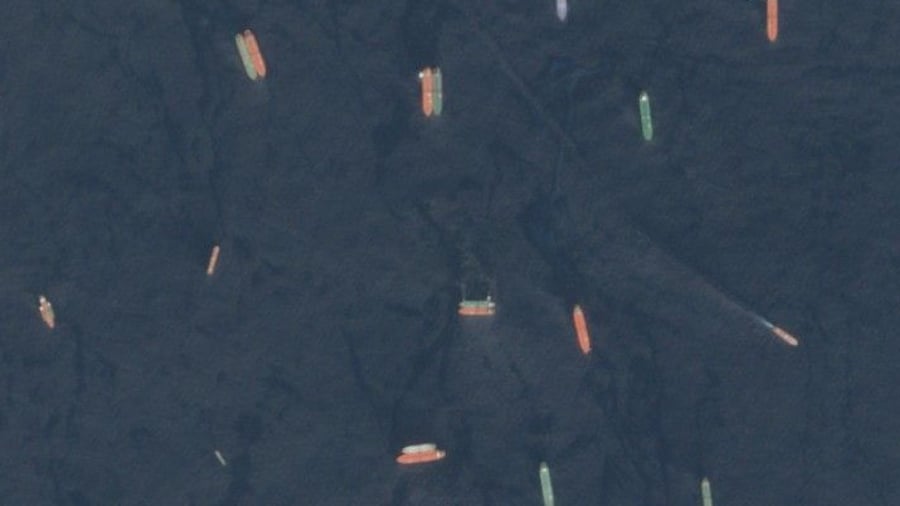
Düsseldorf – The recent surge in oil exports from Gulf nations, despite ongoing attacks, has resulted in a perplexing situation: supply and demand do not align with the skyrocketing prices. Since the start of the Iran war, tankers have been navigating the Hormuz Strait almost daily, transporting crude oil, fuel, and gas. With exports now surpassing 18 million barrels of crude oil per day, including from Saudi Arabia, they have returned to levels seen prior to the war, according to data from several suppliers.
Yet, the prices for crude oil, diesel, gasoline, and gas have reached record highs. This is evident at gas stations in Europe and the United States. As energy costs dominate discussions ahead of the US Midterm elections and in Germany, debates arise over potential relief measures. A barrel of Brent crude oil, the standard benchmark for December delivery, cost $103 on Thursday, up from just $73 before the Iran conflict began.
Despite the oil being available, the price remains elevated - the reason for this discrepancy is unclear.
Written by urgent.news from Handelsblatt's reporting — not their text. Machine-written — may contain errors; check the original before relying on it.