India Has Digitised Identity, Yet SIR Sends Voters Searching For Proof Of Existence
Give the state a name, an address, and a few documents, and, with sufficient photocopies, a citizen can acquire an impressive collection of identities. Aadhaar knows one version of him, the passport another, the PAN another, the bank another, and the electoral roll yet another. These systems can recognise the same person differently and still expect him to prove that he is the same person. We…
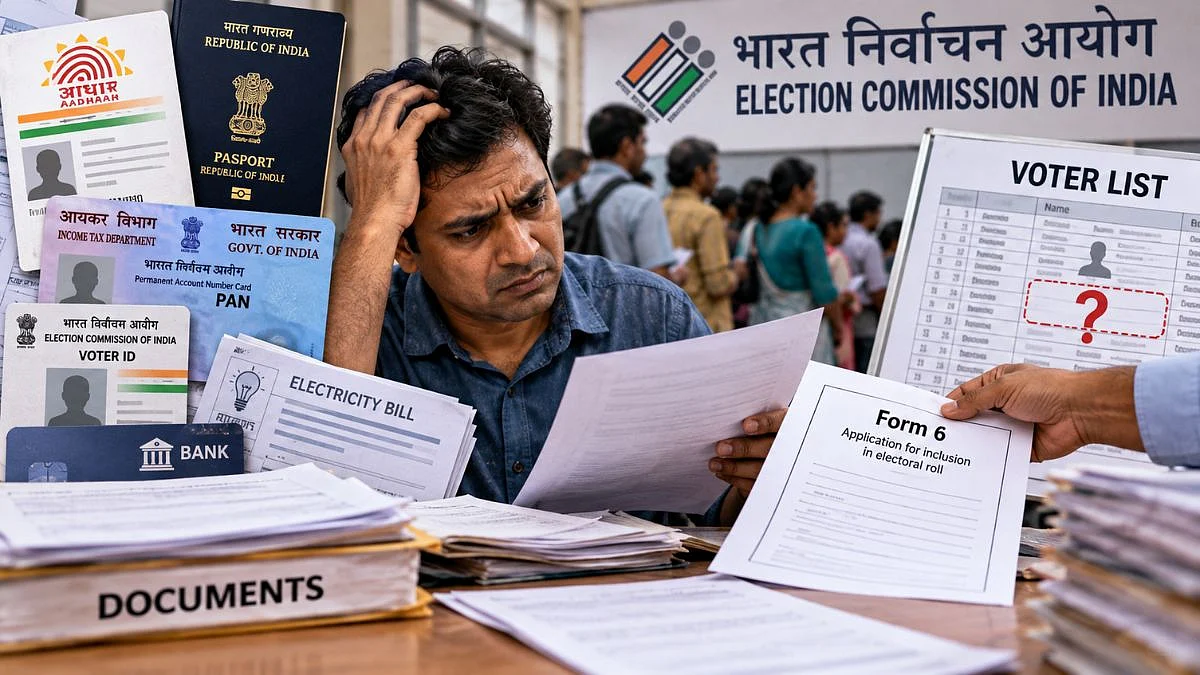
India has digitized identity through various systems like Aadhaar, PAN, and electoral rolls. However, voters often find themselves in a situation where they must prove their existence when the state requests proof of identity. This Special Intensive Revision (SIR) of electoral rolls has highlighted the issue of names being removed from the rolls, but the more pressing question is how many names were added to the rolls in the first place.
The electoral roll was created when democracy was young and digitization was not prevalent. Over the years, there have been revisions, leading to the creation of voter IDs and numerous databases. The current SIR process has created confusion with people being excluded from the draft rolls across states and union territories. Critics fear that this exercise could unfairly target certain communities or political constituencies.
The process of seeking inclusion as a voter, known as Form 6, has led to new challenges, such as people who have voted before but are now dealing with paperwork designed for first-time voters. The Indian citizen is used to dealing with multiple documents, but this latest episode of Form 6 has exposed the peculiarities of bureaucracy and the culture of more paperwork.
The Election Commission has ordered a special drive in 20 states and union territories to identify eligible people left out during the SIR and facilitate re-enrolment. This process is expected to create more work for booth level officers, who are already dealing with a mountain of forms, home visits, and citizens seeking explanations. The voter, however, is left wondering why proving his belongingness has become his part-time job.
Written by urgent.news from Free Press Journal's reporting — not their text. Machine-written — may contain errors; check the original before relying on it.