I Let AI Plan My Days and Nights. It Doesn’t Understand Happiness
This was supposed to make me happier. I felt more isolated instead.
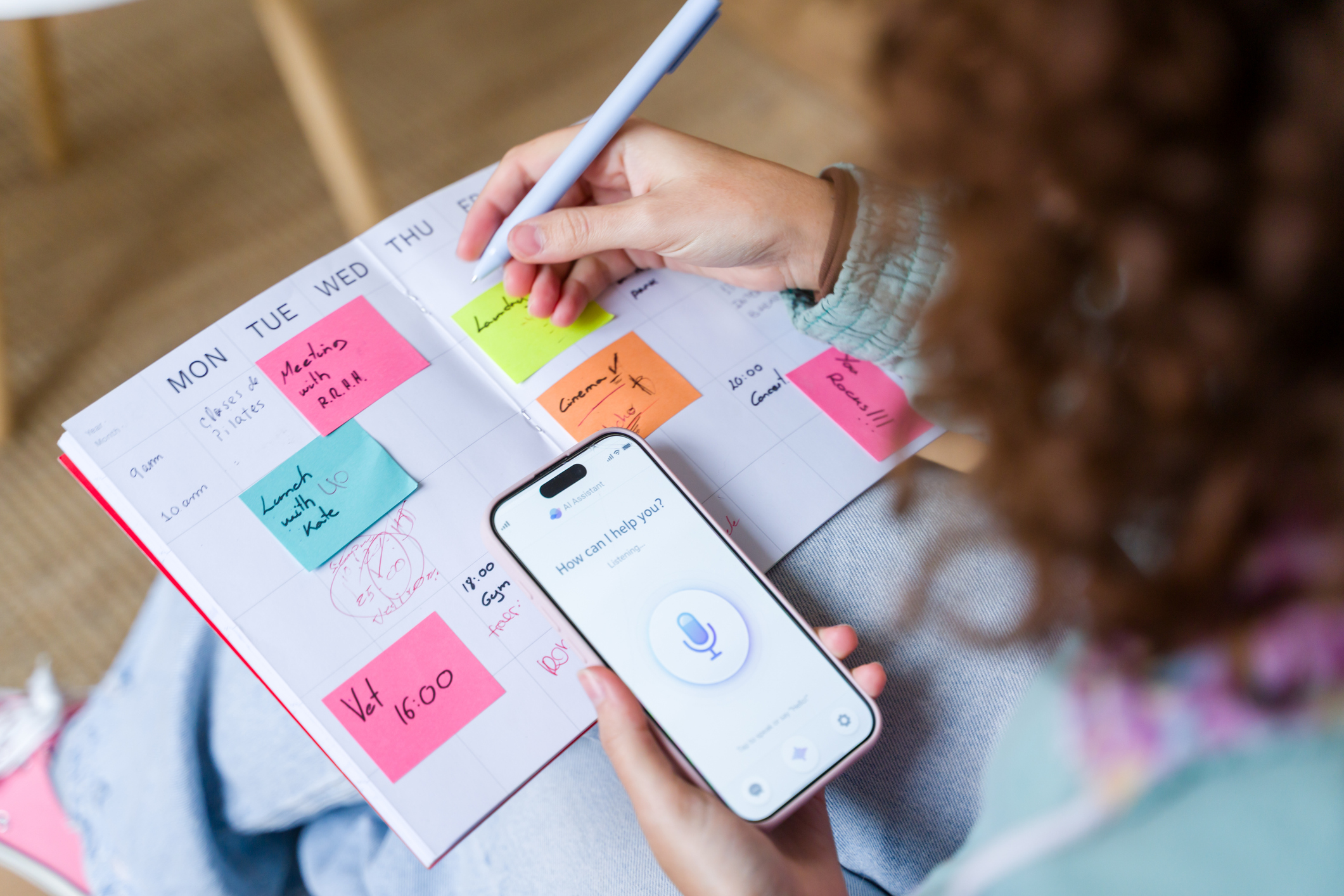
In search of happiness, the author entrusted three artificial intelligence tools—ChatGPT, Google Gemini, and Claude AI—to create detailed daily schedules for the upcoming two days. Each tool was prompted to optimize for happiness, providing minute-by-minute instructions from waking up until bedtime.
Across all three AI outputs, the author woke up around 7 a.m. with Claude suggesting an earlier rise and shine, while all three tools directed the author to start the day with a healthy breakfast and engage in creative or professional work. The afternoon routine typically included a light, healthy lunch followed by a 45-minute to one-hour walk. The AI tools also emphasized continuous work, with frequent short breaks, which the author found counterintuitive given the request for happiness optimization.
As evening approached, the AI tools directed the author to engage in a second walk, followed by a dinner, hobby time, or reading. Despite the variety of suggested activities, the AI tools prioritized solitary, health-focused pursuits and minimal social interaction. The author noted a lack of entertainment like browsing the internet, social media, or watching videos, which might have contributed to the overall lack of joy in the AI-generated schedules.
The author concluded that while AI tools can excel at productivity and mental health improvement, they are not adept at crafting a schedule designed for happiness. The absence of social interaction and fun activities in the AI-generated plans suggests that the models are trained on texts that may not fully represent the concept of happiness. The author posits that while AI can assist with various tasks, engineering human happiness should be left to professionals like those at Disneyland or pharmaceutical companies.
Rewritten by urgent.news; may contain errors — check the original.
Source: cnet.com