Hormuz transits at lowest in over two months after attacks, data shows
The number of vessels transiting the Strait of Hormuz fell to the lowest in more than two months after attacks on tankers in the key waterway reached their highest last week since the start of the US-Israeli war with Iran, shipping data showed.
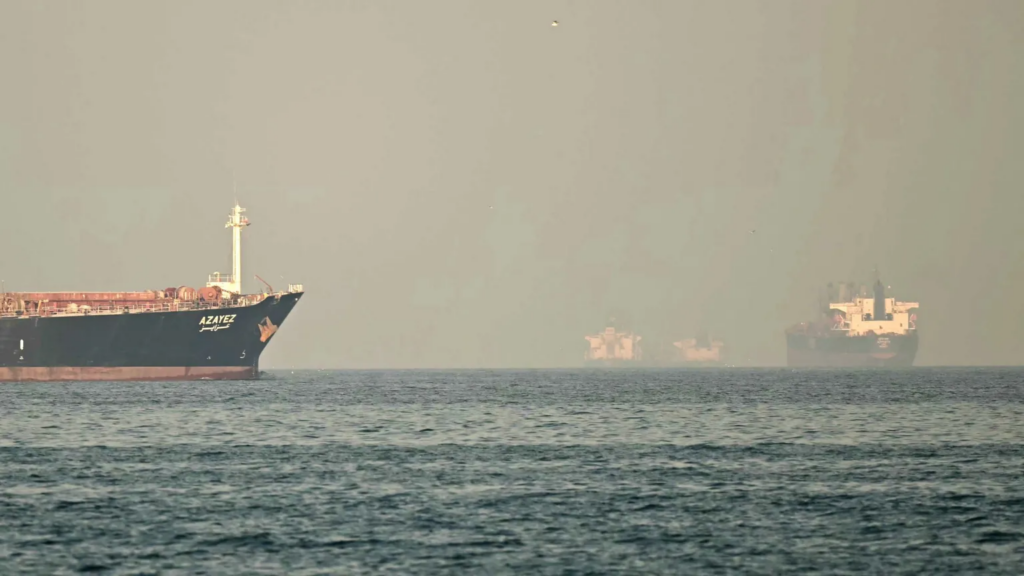
The number of vessels passing through the Strait of Hormuz has hit its lowest level in over two months, according to shipping data released on October 6. This decline follows a series of attacks on tankers in the crucial waterway, which have reached their highest number since the beginning of the US-Israeli conflict with Iran.
On Tuesday, only seven commodity vessels navigated through the strait, marking the lowest figure since July 23. According to analysts Emmanuel Belostrino and Yui Torikata from Kpler, crude oil shipments through the strait dropped by 27% from a wartime high the previous week, settling at around 10.1 million barrels per day. While this is back to its average September level, it is still 74% of pre-war levels.
Most of the dip in shipping activity is attributed to ship-to-ship transfers in the Gulf of Oman, where cargoes are moved between tankers. However, exports from the Gulf of Oman coast and the Red Sea have surged to 6.7 million barrels per day, more than double pre-war levels. This increased output is compensating for the losses in Hormuz, helping to maintain overall Middle East crude exports at pre-war levels.
Despite a slight increase to 10 vessels on Wednesday, the number of transits still lags far behind the daily average of over 20 vessels seen on Sunday and Monday. The data used in this report does not account for vessels that have their Automatic Identification System transponders turned off to evade detection.
LSEG data reveals that eight vessels crossed the strait on Tuesday, with an equal split between entries and exits. This is down from the previous day's figure of 14. Among these vessels were five oil tankers and the liquefied natural gas tanker Al Mafyar, which had loaded cargo in Qatar and was en route to Port Qasim in Pakistan.
Maritime security sources tracking attacks in the region confirm that incidents of targeting tankers through Hormuz have surged to the highest level recorded since the Iran war commenced on February 28. The most recent attack involved projectiles striking a tanker approximately 51 nautical miles north of Qatar's Madinat ash Shamal, resulting in casualties, according to the United Kingdom Maritime Trade Operations agency.
Prior to the onset of the Iran war, approximately 125 large commercial vessels passed through the strait daily, carrying a fifth of the global supply of crude oil and liquefied natural gas.
Rewritten by urgent.news; may contain errors — check the original.
Sources: businesstimes.com.sg · myjoyonline.com · investing.com · thehindubusinessline.com · brecorder.com
This story
This is one outlet's version. Read the fullest account.
- Most Gulf bourses end lower as Hormuz attacks hit wartime peak brecorder.com
- Oil falls with focus on Hormuz vessel attacks and Mideast flows businesstimes.com.sg
- Strait of Hormuz traffic falls to lowest in over two months after attacks, data shows thehindubusinessline.com
- Hormuz transits at lowest in over two months after attacks, data shows investing.com