Global wildlife populations plunge 73% since 1970, says WWF
A World Wildlife Fund report shows that habitat loss and degradation remain the biggest threats, alongside climate change, pollution and overexploitation.

The World Wildlife Fund's latest Living Planet Report reveals that global wildlife populations have plummeted by 73% since 1970. This decline is most severe among freshwater species, which saw an average decrease of 85%, followed by terrestrial species at 69% and marine species at 59%. The Living Planet Index, managed by the Zoological Society of London and WWF, tracked 35,803 populations across 5,790 species of mammals, birds, reptiles, amphibians, and fish over a 52-year period.
Between 1970 and 2022, the average rate of population decline was nearly 2.5% annually, although this figure does not represent a headcount of total animal losses. The 2026 Living Planet Report added 295 new species and 967 populations to the data, further reinforcing the continued decline in biodiversity. Habitat loss, overexploitation, climate change, pollution, invasive species, and disease were identified as the primary threats to wildlife.
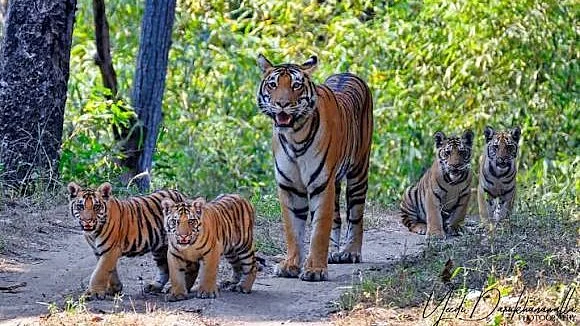
Despite these alarming trends, there is hope: targeted conservation efforts have helped some species, such as tigers, bluefin tuna, Southern African elephants, and green sea turtles, recover. To halt further nature loss, significant changes are needed in energy, food, and finance systems.
Rewritten by urgent.news; may contain errors — check the original.
Source: freemalaysiatoday.com
Other reports of this story
- Global wildlife populations plunge 73% since 1970, says WWF freemalaysiatoday.com