Geopolitics, China, and AI to test India’s 2047 ambitions: CEA Nageswaran
India must prepare for a tougher path to developed-economy status by 2047, the chief economic adviser said, citing five forces reshaping its prospects: geopolitics, supply-chain dependencies, China’s industrial scale, climate volatility, and AI alongside demographic change.
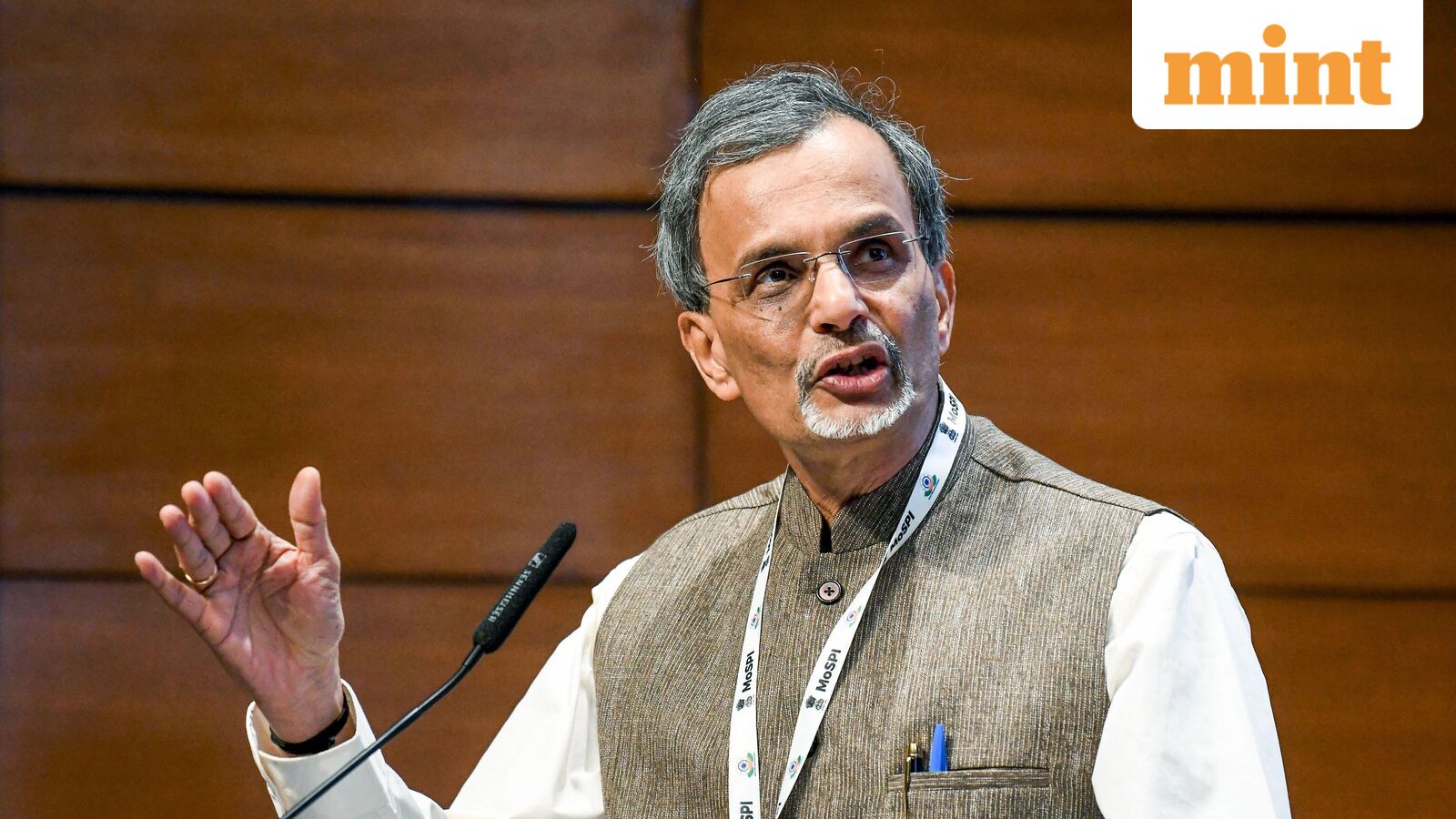
The global geopolitical landscape is shifting from rules-based systems to a power-driven environment, according to India's Chief Economic Adviser (CEA) V. Anantha Nageswaran. In an address at the India Investment Seminar 2026 in Mumbai, Nageswaran outlined five long-term shifts that will test India's ambition of becoming a developed economy by 2047, marking the centenary of its independence.
These factors include geopolitical realignment, strategic supply-chain chokepoints, China's manufacturing scale, climate variability, and the intersection of demography and artificial intelligence (AI). Nageswaran emphasized that these shifts will make India's rise harder than it was for previous latecomers, but they should serve as motivation to act with urgency rather than delay.
Strategic chokepoints were highlighted as energy, chips, rare earths, fertilizers, and sea-lanes, which could provide leverage for India. The CEA argued that buffers and redundancy should be viewed as insurance, rather than waste, to mitigate potential disruptions.
China's manufacturing capacity, which accounts for nearly a third of global production, poses a significant challenge for India. To compete, India must focus on capability and depth rather than solely on cost. Climate change, beyond its warming effects, presents challenges due to increased variability in monsoons and heat, impacting insurance markets. India must adapt domestically while contesting carbon border taxes abroad.
The fifth shift focuses on demography and AI. With the workforce expected to peak as AI becomes more prevalent, India cannot solely rely on a cheap labor force. The presentation stressed the need to convert demographic numbers into skills, making skill development an integral part of industrial policy.
Nageswaran's remarks were made during a two-day seminar organized by SBI Funds Management Ltd and Europe's asset management company Amundi. The event brought together over 100 international institutional investors and Amundi clients to discuss India's growth and investment opportunities. The first day of the seminar focused on India's ambition of becoming a developed economy by 2047, with Nageswaran emphasizing the importance of structural reforms, productivity, and capability building for sustaining long-term growth.
State Bank of India (SBI) Chairman C.S. Setty discussed India's financial system's role in supporting growth and financial inclusion through digital public infrastructure and expanding access to credit, insurance, and investment products. Former G20 Sherpa Amitabh Kant addressed India's manufacturing opportunities amidst changing global supply chains, while Maruti Suzuki's Rahul Bharti shared the company's four-decade journey and long-term international partnerships.
Dipesh Shah, executive director at the International Financial Services Centres Authority, highlighted India's emergence as a global investment platform, with GIFT IFSC creating a competitive ecosystem for global investors and institutions. SBI Funds Management managing director and CEO Debasish Mishra noted expanding opportunities in manufacturing, infrastructure, technology, and financial markets, while Amundi Deputy CEO Olivier Mariée emphasized India's economic transformation as a significant opportunity for long-term global investors.
Written by urgent.news from Live Mint's reporting — not their text. Machine-written — may contain errors; check the original before relying on it.