FSB-linked charges appear in 67% of Russia’s political cases in 2026, Memorial report finds
At least one charge falling under the investigative jurisdiction of Russia’s Federal Security Service (FSB) appears in 67% of politically motivated criminal cases recorded in Russia during the first nine months of 2026. While the overall number of prosecutions connected with defendants’ speech has declined, cases under other statutes handled by the FSB have increased. While the overall level of…
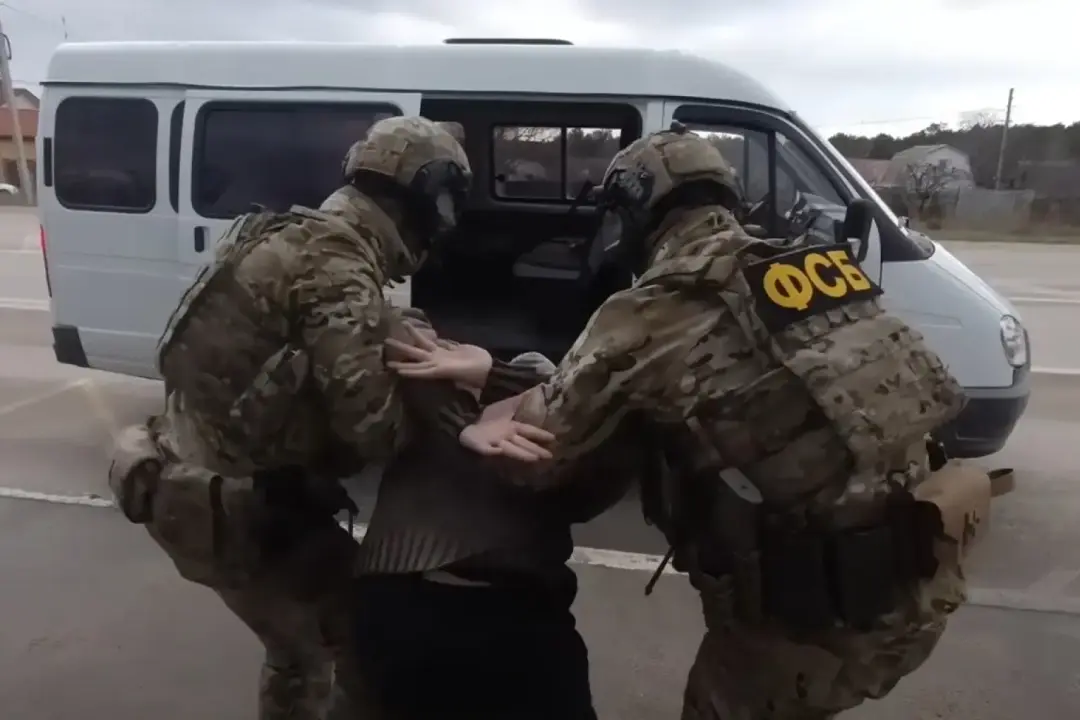
In 2026, Russian law enforcement linked to the Federal Security Service (FSB) appeared in a significant majority of political cases, according to a Memorial report. Charges related to "calls for extremism" surged by 26%, while those involving threats against state security increased by 13%. Conversely, cases related to terrorism or its justification saw a 1% decline.
Memorial researchers suspect the FSB is intensifying politically motivated prosecutions, with the same number of new defendants in 2026 as in the same period last year, up 4%. However, the nature of repression has shifted, with a 22% drop in cases related to freedom of expression and a notable rise in cases against individuals associated with Alexei Navalny's Anti-Corruption Foundation, Jehovah's Witnesses, and the "Citizens of the USSR" movement.
This intensification of repression is observed across multiple unrelated campaigns. Political prosecutions have also become more severe, with 34% of cases including especially serious charges, up from 29% in 2025. In Russian-occupied territories of Ukraine, politically motivated prosecutions declined by about 10%, but remained significantly higher than in Russia.
The intensity of prosecutions in occupied territories is 4.6 cases per 100,000 residents, compared to 1.2 in Russia. Ukrainian service members captured during the fighting in Russia's Kursk region saw a drop in prosecutions, from 484 in 2025 to 330 in 2026, due to the winding down of a mass campaign against them. In contrast, prosecutions of Ukrainian service members in occupied territories dropped to 330 in 2026.
Overall, Memorial's report highlights the heightened severity of political prosecutions in Russia and the occupied territories, with human rights advocates urging further investigation into the reasons behind the intensification of repression.
Written by urgent.news from The Insider's reporting — not their text. Machine-written — may contain errors; check the original before relying on it.