France and Germany float ‘trade bazooka’ against China as the EU sends envoy to Beijing
Politicians and economists across the 27-nation bloc consider China’s exports a threat to core industries
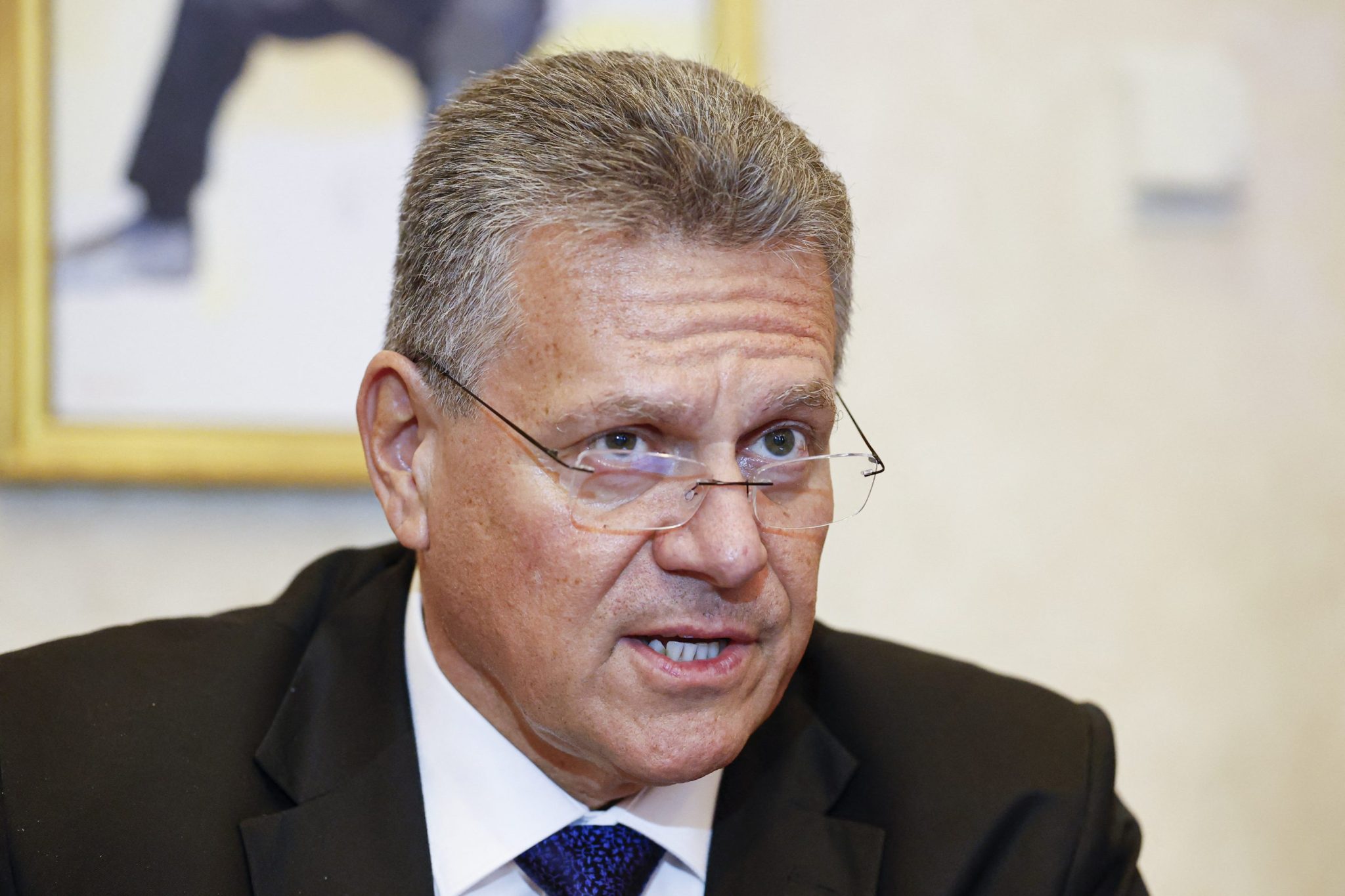
The European Union finds itself facing a potential trade conflict with China as the bloc's trade deficit with the country exceeds $1 billion daily. This staggering deficit has raised concerns over job losses and prompted EU leaders to adopt a more aggressive stance towards China, its second-largest trading partner. The European Commission's top trade envoy, Maroš Šefčovič, is scheduled to meet in Beijing with Chinese Commerce Minister Wang Wentao to discuss ways to narrow the deficit.
European politicians and economists believe China's massive subsidies and exports pose a significant threat to core industrial sectors such as steel foundries and car factories. China redirected many of its exports to the EU and other markets following the U.S. raising tariffs. In a recent European Parliament debate in Strasbourg, lawmakers strongly expressed anxiety and defiance regarding trade with China.
They voted 454 to 86 in favor of a resolution calling for "economic reciprocity and a proportionate EU response" if China fails to open its markets. Belgian lawmaker Hilde Vautmans, who led the resolution, stated, "Europe has economic power; it's time we used it."
The EU has a range of options to address the trade imbalance, from imposing tariffs to implementing a "trade bazooka," a never-before-used raft of measures aimed at blocking or restricting trade and investment from countries deemed to be exerting undue pressure on EU member nations or corporations. The Anti-Coercion Instrument, a potential component of the trade bazooka, remains unused.
Despite the EU's apparent unity, the effectiveness of these measures remains uncertain. The bloc has already taken steps against Chinese steel imports and e-commerce small parcels. France's High Commission for Strategy and Planning has called for swift action, including 30% tariffs on Chinese exports and a euro devaluation against the Chinese currency. German auto sales are declining in China, but China is also seeking to gain market share in Europe by undercutting European automakers in price due to subsidies.
France and Germany have called for a comprehensive review of the EU's China policy, proposing changes to make it easier for the European Commission to employ the trade bazooka. However, not all EU nations agree on adopting tough measures. Spain, the eurozone's fourth-largest economy, has demonstrated a more lenient approach toward China. In addition, a coalition of far-right and left-wing lawmakers from Ireland to Bulgaria opposed the resolution to strengthen China policies.
China's Ministry of Commerce expressed concern over the French and German letter, urging the EU to refrain from encouraging protectionist measures. Instead, it emphasized that protectionism hinders competitiveness and that decoupling supply chains would harm others without benefiting oneself.
China's exports to the EU have increased during the past year, while its imports from the EU also rose. However, China remains the EU's second-largest goods trading partner after the U.S. Some analysts argue that the EU must diversify its trade relationships with China and other countries to remain competitive and avoid a "China shock," similar to the U.S. experience in the early 2000s.
Written by urgent.news from Fortune's reporting — not their text. Machine-written — may contain errors; check the original before relying on it.