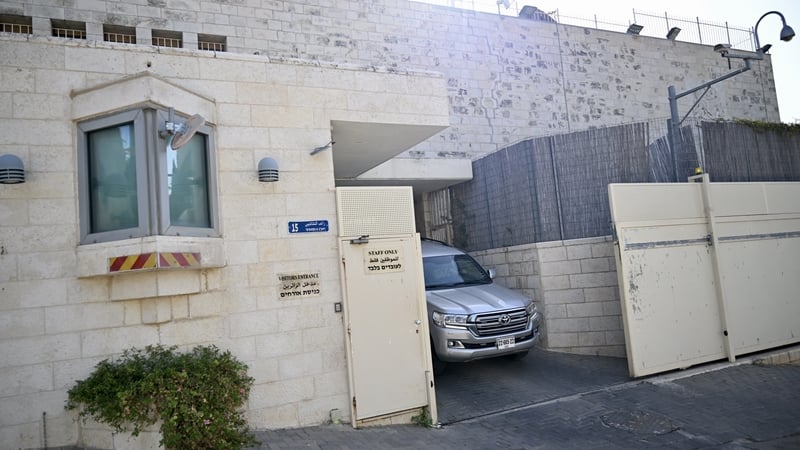
Foreign envoys discover Sejong's appeal beyond Korea's administrative capital
SEJONG — For those accustomed to Seoul’s density, Sejong, the nation's administrative capital approximately 130 kilometers south of Seoul, offers an unfamiliar Korean cityscape: cyclists follow streams to work and visitors from across the country stroll through the giant rooftop garden atop Government Complex Sejong or along wide boulevards with no utility poles or curbside parking. Founded in…
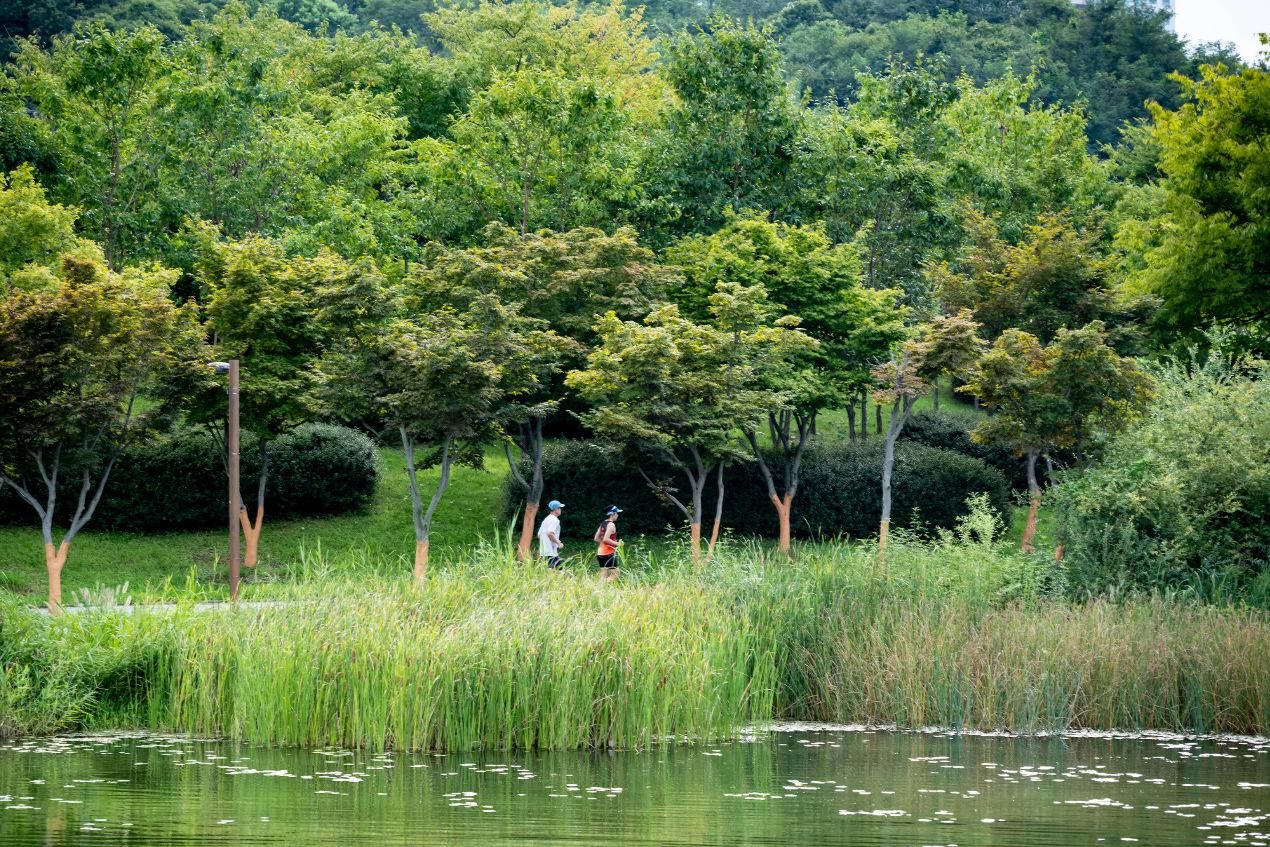
SEJONG — For those accustomed to Seoul's density, Sejong, the nation's administrative capital located roughly 130 kilometers south of the bustling South Korean metropolis, presents a distinct Korean urban environment. Unlike the capital, where cyclists navigate streams to commute to work and visitors from across the country explore the vast rooftop garden atop the Government Complex Sejong, as well as the wide boulevards devoid of utility poles or curbside parking, Sejong has evolved into a community of approximately 400,000 residents.
This transformation is largely attributed to the civil servants and their families who relocated south as ministries were moved from Seoul.
On September 29 and 30, a two-day tour of Sejong was organized by the Sejong Culture and Tourism Foundation, inviting thirteen officials from twelve foreign missions in Korea. The purpose of this visit was to acquaint them with the planned city's tourism assets. Kenyan Ambassador Emmy Kipsoi, one of the participants, expressed that the visit surpassed her expectations of Sejong as merely a strictly functional government hub.
"Before the visit, I knew Sejong mainly as Korea's administrative capital, the home of government ministries and a cit"
Written by urgent.news from The Korea Times's reporting — not their text. Machine-written — may contain errors; check the original before relying on it.