FMCSA split sleeper berth pilot program moves closer to launch
FMCSA is launching another comment period as it moves toward a pilot program on sleeper berth hours. The post FMCSA split sleeper berth pilot program moves closer to launch appeared first on FreightWaves .
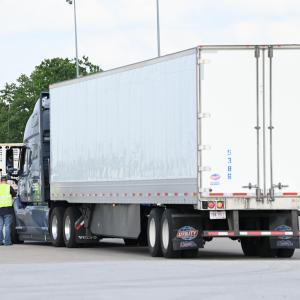
The Federal Motor Carrier Safety Administration (FMCSA) is progressing toward initiating a pilot program that may lead to modifications in the split sleeper berth requirements, with the aim of providing drivers with greater flexibility in their daily 10-hour off-duty period. In a Federal Register notice published on Wednesday, FMCSA initiated the "information collection activities" to gather data on the potential impact of altering the 10-hour split, which currently permits only a 10-hour consecutive break or an 8-2, 7-3, 5-5, or 6-4 split.
If the sleeper berth requirement is reduced to five hours, these new splits could become viable. The program requires up to 256 volunteers to take part, with drivers eligible for a $1,600 compensation for their involvement. The pilot program is expected to recruit a diverse team of drivers and run for 16 weeks, during which they can choose how to allocate their off-duty hours.
This proposal stems from the April 2025 executive order by the Trump administration, which sought to improve the working conditions of truck drivers. The pilot program aims to address the lack of flexibility in the split sleeper berth rule, which has been a topic of discussion since 2010. While the 16-week testing period is imminent, the entire pilot program is projected to span 34 to 36 months.
Written by urgent.news from FreightWaves's reporting — not their text. Machine-written — may contain errors; check the original before relying on it.