Five African countries unite to tackle zero-dose children through stronger immunisation systems
Five African countries have agreed on concrete measures to strengthen immunisation systems and reduce the number of children who have not received any routine vaccines, known as zero-dose children.
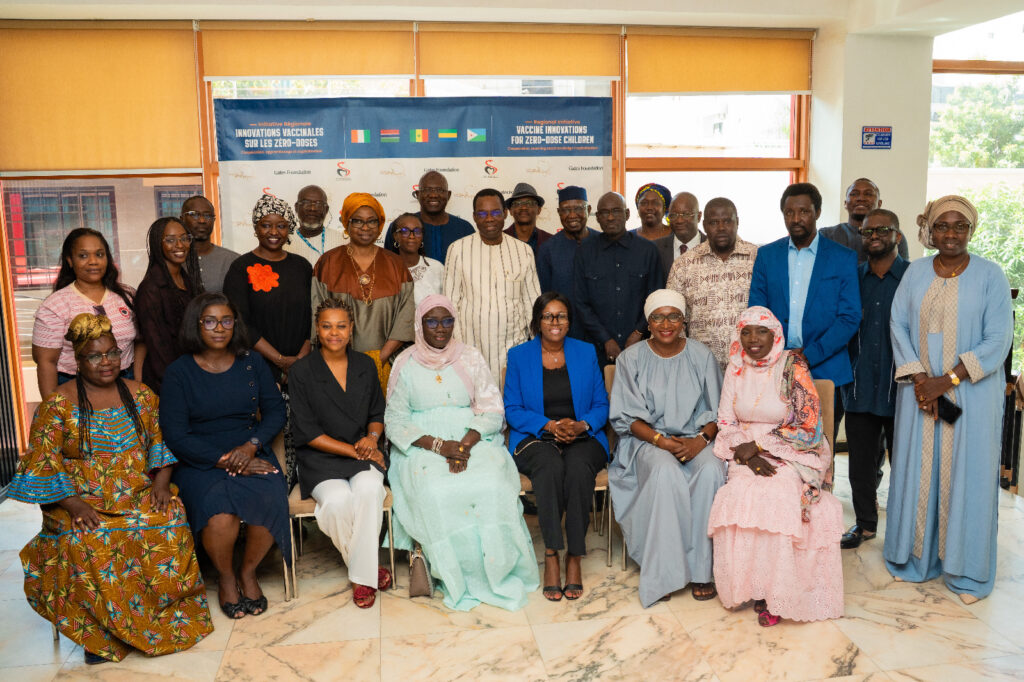
Five African nations—Senegal, Côte d’Ivoire, Gabon, Djibouti, and The Gambia—have united to combat the issue of zero-dose children, those who do not receive any routine vaccines. Representatives from these countries convened for a four-day regional benchmarking mission in Dakar, Senegal, from September 29 to October 2, 2026. The mission, organized by Galien Africa in partnership with the Senegalese Ministry of Health and Public Hygiene, brought together experts, including the World Health Organisation, UNICEF, and the Gates Foundation, to share experiences and develop strategies to strengthen immunisation systems.
During the mission, the delegations engaged in experience-sharing, field visits, and joint planning sessions. They observed Senegal's Directorate of Prevention and Immunisation Division and the Dakar Centre health district, focusing on vaccine stock management, cold-chain monitoring, equipment management, and vaccine distribution. These visits also underscored the significance of human support in digital transformation.
The delegations examined community-based approaches, such as the "Young Girls' Round," which leverages peer engagement to boost acceptance of HPV vaccination. Key discussions centered on adapting successful methods to various national contexts, including domestic and local financing, innovative resource mobilisation, community participation, and the professionalisation of community health workers.
Each country developed national mini-roadmaps outlining specific commitments. Senegal shared its digitalisation experience, including platform interoperability and optimisation of vaccine distribution, while Côte d’Ivoire highlighted its collaboration with pharmacies and private clinics to provide immunisation services. Gabon committed to public financing and expanding community vaccination sites, and The Gambia focused on electronic tracking of children lost to follow-up and improving access in underserved areas.
Djibouti contributed strategies for nomadic populations, including the "vaccino-dromadaire" and "Health Shield" initiatives.
The mission identified common priorities for regional cooperation, such as digital tools and stronger domestic financing. A regional matrix will document actions, responsibilities, and indicators, while assessments will evaluate the impact of the measures on identifying zero-dose children, improving access to immunisation services, and ensuring comprehensive child vaccination.
The ultimate goal is to transform regional benchmarking into a practical mechanism for peer learning and tailored implementation of effective solutions.
Written by urgent.news from MyJoyOnline Ghana's reporting — not their text. Machine-written — may contain errors; check the original before relying on it.