Epigenetics Underlies Comparatively Accelerated Molecular Aging in Larger and Male Dogs
Large dogs tend to be shorter lived than their smaller counterparts, and a new study found that male and larger dogs undergo accelerated molecular aging, with pronounced DNA methylation changes on the X chromosome and at transposable elements. The post Epigenetics Underlies Comparatively Accelerated Molecular Aging in Larger and Male Dogs appeared first on GEN - Genetic Engineering and…
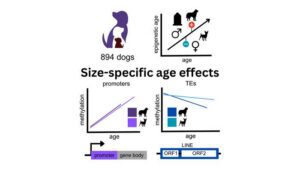
A groundbreaking study led by Arizona State University has uncovered epigenetic factors that contribute to accelerated molecular aging in larger and male dogs. Professor Noah Snyder-Mackler and his team analyzed nearly 900 dogs from the Dog Aging Project, generating detailed methylomes to examine the relationship between body size, sex, and epigenetic aging.
Their findings reveal that molecular aging accelerates most rapidly during early life, with larger and male dogs exhibiting pronounced DNA methylation changes. Male dogs showed distinct DNA methylation patterns on the X chromosome, while larger animals displayed methylation alterations at transposable elements, regions of DNA that influence genome stability and gene regulation.
The study establishes companion dogs as a valuable model for understanding molecular mechanisms of lifespan variation, epigenomic instability, and age-related diseases. By identifying distinct epigenetic patterns linked to size and sex, this research sheds light on how demographic groups with shorter expected lifespans experience faster epigenetic aging.
Written by urgent.news from GEN Biotechnology's reporting — not their text. Machine-written — may contain errors; check the original before relying on it.