‘Enough Games Have Been Cancelled and Shut Down. That Betrayal Has Ramifications’ – Is It the Beginning of the End for Live-Service Games?
Live-service dominates global playtime, but can it survive cancelled projects, dwindling players, and a market in decline? Or is this the beginning of the end for forever games?
The live-service gaming model has faced significant challenges in recent years. Major publishers are cancelling games left and right, while many new entrants disappear within months. Bethesda's Fallout 76, released in 2018, became a cautionary tale, suggesting that iconic franchises might be destined to become "forever games" with constant seasonal content updates.
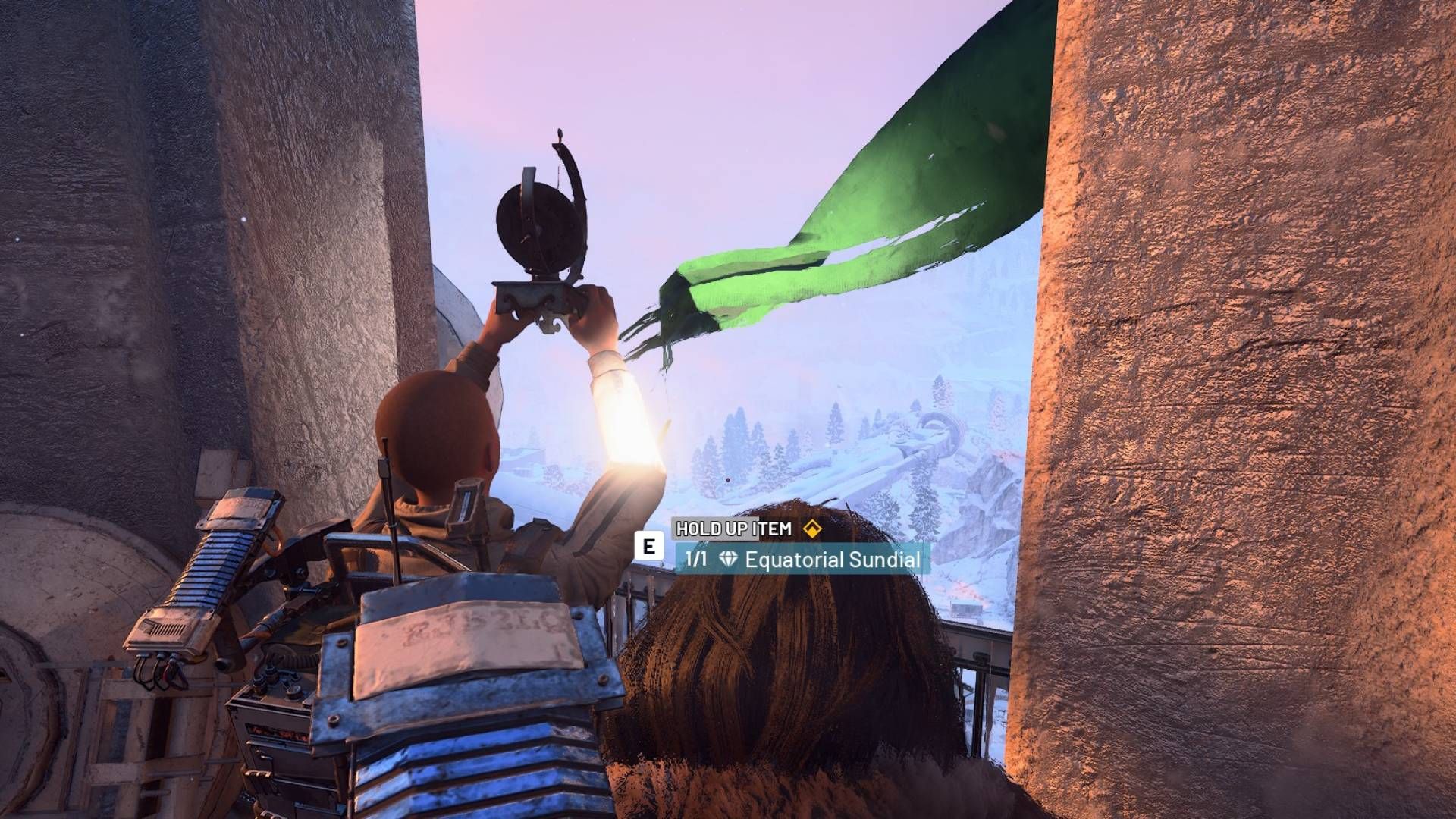
In 2025, out of 19 new live-service games launched, 15 had lost over 80% of their initial playerbase. Notable examples include Persona 5: The Phantom X, RuneScape: Dragonwilds, and Dune: Awakening. This shift has led to cancellations of games tied to popular IPs like Sonic Rumble Party and Horizon Hunters Gathering, which has been rebooted to remove live-service elements.
The decline of live-service games is attributed to a loss of trust among players. Ex-BioWare executive producer Mark Darrah suggests that people may realize that a "decent" looter shooter is not enough anymore. The gold rush of the live-service model appears to be over, leading to a loss of confidence in the genre. This has consequences for publishers who rely on measurable metrics to predict player spending based on minute actions.
If players are logging off and not returning, the financial benefits of live-service games diminish.
Some argue that the live-service cycle may simply be ending, with Kat Osman of Lick PR suggesting that the focus on First-Person Shooter (FPS) games and other genres like dance and music-based games has shifted. The industry may be moving away from the live-service model towards traditional single-player experiences.
Written by urgent.news from IGN's reporting — not their text. Machine-written — may contain errors; check the original before relying on it.