Encroaching energy, mine concessions threaten protected ecosystems, research shows
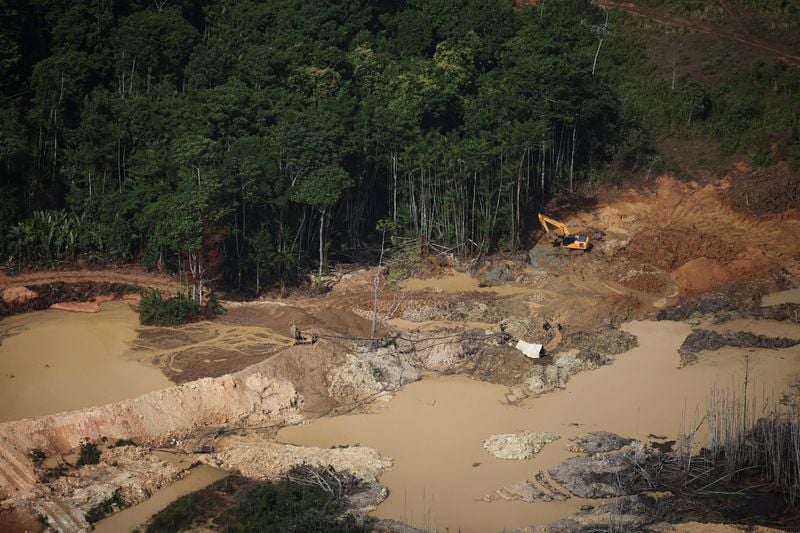
Millions of hectares of protected tropical ecosystems are at risk due to overlapping mining concessions and oil and gas blocks, according to research released just before UN biodiversity talks in Yerevan, Armenia. The Earth Insight-led study found that oil and gas blocks alone encroach on over 61 million hectares of protected areas, which is comparable in size to France.
Mining concessions further overlap with 42.7 million hectares of these areas. While only 23% of Earth's surface would be protected by existing government commitments, meeting the ambitious 30% target is compromised by the vulnerability of these regions to industrial development.
Tyson Miller, Earth Insight's executive director, emphasized that a significant number of these concessions have not yet been licensed, presenting an opportunity for countries to withdraw them. However, some concessions have already caused damage to national parks worldwide, such as Cambodia's Phnom Prich wildlife sanctuary, which lost 10,000 hectares to an open-pit gold mine.
The research also highlighted alarming statistics for marine biodiversity areas in the Amazon, with over 40% remaining unprotected - a figure rising beyond 50% in Southeast Asia and Central America. Earth Insight believes its findings are conservative and likely underestimates the full range of pressures on these ecosystems.
As countries scramble to secure energy security, there is an increasing likelihood of more concessions being activated. Bangladesh has even invited companies to bid for oil blocks in biodiversity-rich waters in the Bay of Bengal. With the ongoing energy crisis, many nations are embracing oil extraction in ways they haven't before.
Rewritten by urgent.news; may contain errors — check the original.
Source: investing.com