Does inclusive finance really need stablecoins?
Some 1.3 billion adults — more than half of them women — remain excluded from the formal financial system, and lower-income consumers still struggle to find and access the financial products and services they need.
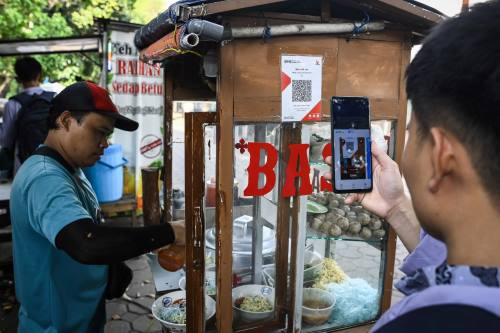
Financial inclusion remains elusive for over 1.3 billion adults, predominantly women in low- and middle-income countries. While account ownership has soared from 42% in 2011 to 75% today, lower-income consumers still face barriers accessing needed financial services. Mobile money has lowered costs and technological hurdles, yet stablecoins are being marketed as the solution.
However, this is premature. Everyday domestic payments are the bedrock of inclusion, and money and bank accounts through instant payment systems are far superior. Both provide 24-hour access and low-cost transfers. Yet, stablecoins necessitate a smartphone or internet-connected device, along with high digital literacy. For a basic phone user like a woman farmer in northern Kenya, stablecoins are impractical.
While some governments have launched digital currencies like China and Nigeria, uptake remains low as people see no benefit. Stablecoins can introduce risk from payer to payee due to market fluctuations. Cross-border payments might seem favorable, but recipients must convert stablecoins to local currency, which is less accessible and offers worse exchange rates.
Money-transfer operators like Wise or Remitly provide better overall value and ease of access for low-income recipients. Better cross-border coordination is being pursued, as seen in the Nexus payment system linking several Southeast Asian countries.
Written by urgent.news from The Jakarta Post's reporting — not their text. Machine-written — may contain errors; check the original before relying on it.