Dieselpreis: Wirtschaftsweise – Tankrabatt teuer und schwächt Sparsignal
Die Ökonomin Monika Schnitzer hält den Tankrabatt für das falsche Werkzeug. Um die Haushalte zu finanziell zu entlasten, die das besonders nötig hätten, sieht sie eine bessere Alternative.
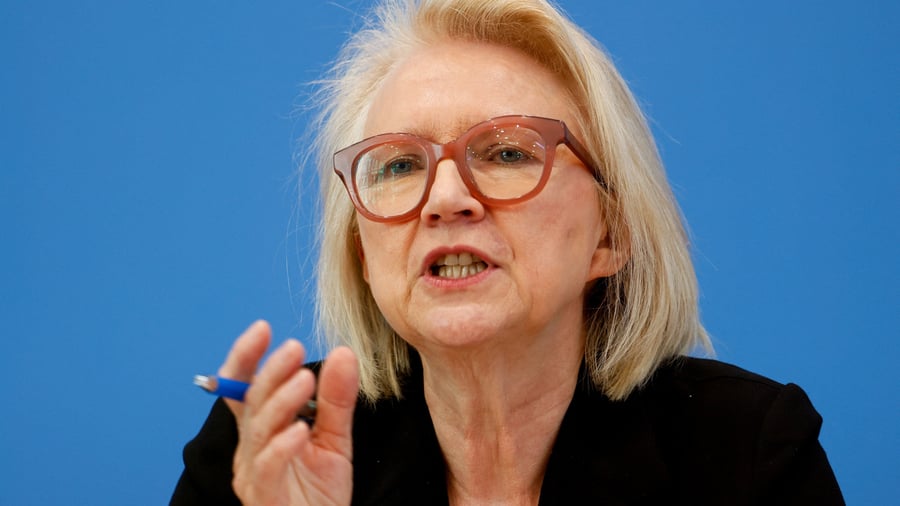
Wirtschaftsweise Monika Schnitzer, head of the Expert Council for Assessing Overall Economic Development, decried the uneven distribution of the diesel fuel price cut in an Augsburger Allgemeine article. She argued that the rebate was "expensive, also relieved those who do not need support, and undermines the price signal that should encourage people to save fuel at a time of scarce fuel."
Schnitzer called for the federal government to create a mechanism to pay money directly to low and middle-income households. The diesel fuel price cut has been in effect since October 1st. The federal government forgoes income tax and value-added tax, amounting to 16.7 cents per liter. According to the ifo Institute, gas stations only passed on an average of about 15 cents per liter rebate to customers for diesel and Super E10, and about 16 cents per liter for Super E5 in the first five days.
The warnings of many economists about wastage of tax money have proven true, said Schnitzer. It was difficult to understand "that Germany still does not have a fully functioning mechanism to pay money to particularly strained households four years after the energy crisis," she complained. "Technically, this is possible, but the necessary prerequisites should have been more consistently put in place in previous years."
The economist blamed insufficient competition in the mineral oil industry for the inadequate distribution of the diesel fuel price cut. She urged the federal competition authority to investigate structural competition problems at the refinery and wholesale levels with its expanded powers.
Written by urgent.news from Handelsblatt's reporting — not their text. Machine-written — may contain errors; check the original before relying on it.