Daily Aspirin Guidance: Is Taking an Aspirin Every Day Still Safe?
For decades, taking a daily low-dose aspirin was widely regarded as simple, effective insurance against heart attacks and strokes. However, […]
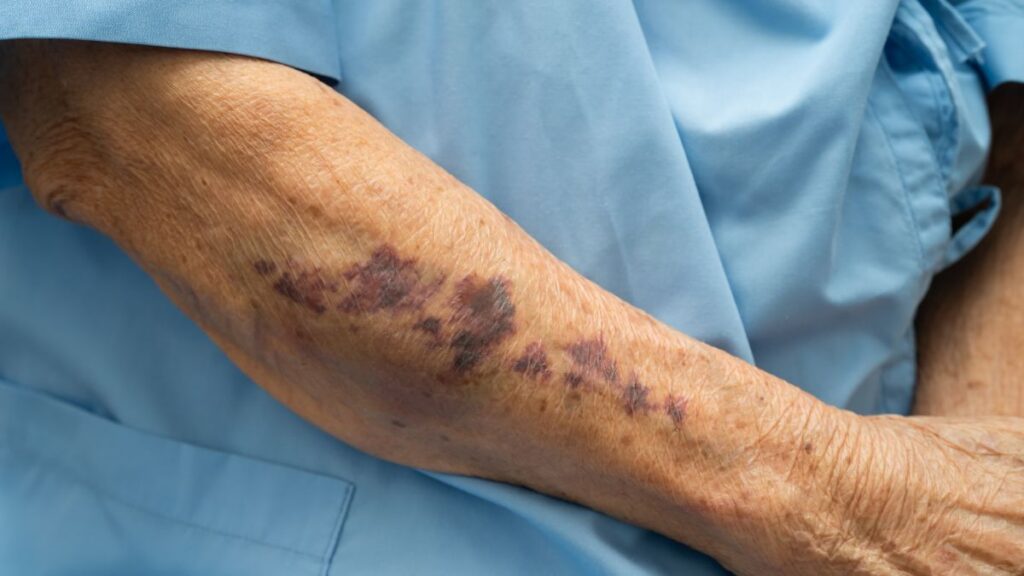
Daily low-dose aspirin has long been considered a safe and effective preventive measure against heart attacks and strokes. However, recent clinical research and updated medical guidelines suggest that taking aspirin every day for primary prevention may not be as safe as previously thought. The primary concern is the increased risk of internal bleeding associated with regular aspirin use, which could outweigh its potential benefits.
While daily aspirin remains crucial for patients with a history of cardiovascular events, its use for primary prevention is now questioned. Spanish medical guidelines echo this sentiment, with the Spanish Society of Family and Community Medicine reporting that routine aspirin use for primary prevention has little preventive value due to the heightened bleeding risk.
The logic behind aspirin's use is based on its ability to interfere with platelets, reducing the likelihood of clots that can cause heart attacks. However, the same mechanism can also lead to unwanted bleeding, which can occur in the gastrointestinal tract or brain. The risk of bleeding increases with age, making older individuals who have never had cardiovascular disease particularly vulnerable.
Additionally, modern advancements in controlling blood pressure, cholesterol, and other risk factors have reduced the overall cardiovascular risk, making aspirin's added benefit less significant. Therefore, individuals who have previously been prescribed aspirin for primary prevention should consult their doctors to evaluate whether continuing its use is still appropriate, taking into account their individual risk factors for both cardiovascular events and bleeding complications.
Written by urgent.news from Euro Weekly News's reporting — not their text. Machine-written — may contain errors; check the original before relying on it.