Counterfeit seeds threaten African farmers’ crops and climate resilience: Study
In Africa, high-quality seeds can produce improved crops with enhanced nutrition, pest-resistance, and drought tolerance. However, such seeds for maize, vegetables, and cereal crops can be indistinguishable from counterfeit, or “fake” seeds. That’s creating a massive potential for fraud in seed quality that can potentially deprive farmers of access to climate-resilient seeds while putting their…
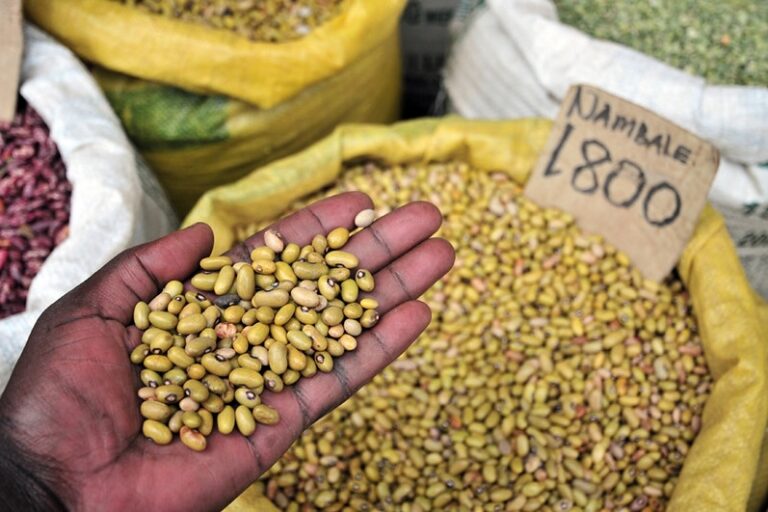
Counterfeit seeds pose a serious threat to the crops and climate resilience of African farmers, according to a recent study. High-quality seeds can yield improved crops with better nutrition, pest-resistance, and drought tolerance, but counterfeit seeds can easily masquerade as legitimate ones. This has created a major opportunity for fraud in seed quality, jeopardizing farmers' access to climate-resilient seeds and putting their harvests and incomes at risk.
Researchers examined the efforts of 50 African countries to combat counterfeit seeds and discovered substantial disparities in penalties for selling them among different governments. Professor Ed Mabaya, the study's lead author from Cornell University in the U.S., explained, "For the majority of smallholder farmers in Africa, planting occurs just once per season, typically at the onset of the rains.
A farmer who purchases counterfeit seed typically discovers the deception only after planting, when the seed fails to germinate or the crop fails to thrive. By then, it's often too late to replant, resulting in a complete loss of that season's food and income." This not only jeopardizes the individual farmer's food security but also undermines local markets.
Counterfeiters can dye or repack grain and sell it as branded, certified seed, as Mabaya pointed out. The issue arises because certified seed appears identical to ordinary grain but is sold at significantly higher prices, sometimes several times more for hybrid maize. This pricing discrepancy exacerbates the problem, as highlighted in the study published by Mongabay.
Written by urgent.news from Mongabay's reporting — not their text. Machine-written — may contain errors; check the original before relying on it.