Coalition confusion: Voters need education on alliance phenomenon, expert says
Election expert Terry Tselane says voters must understand that coalitions are negotiated between parties rather than directly chosen at the ballot box.
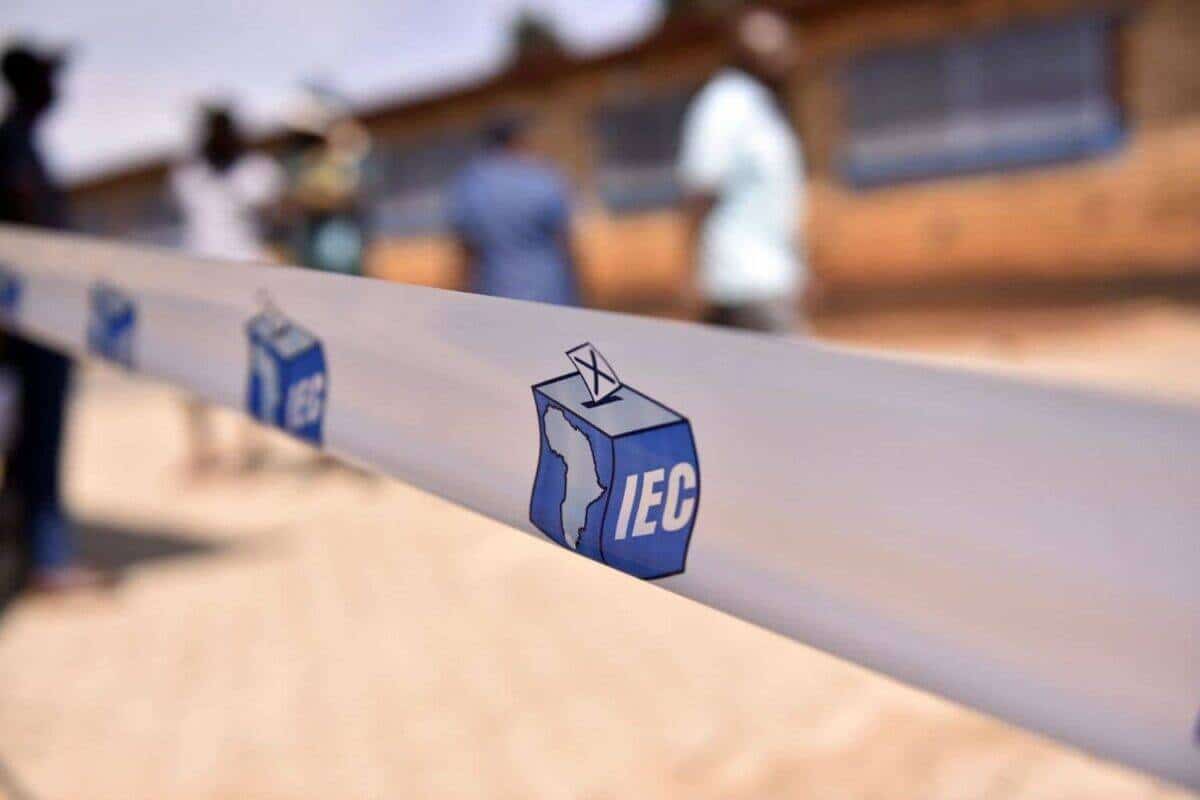
Coalition governments are becoming increasingly common in South Africa's political landscape, a fact that has caused confusion among voters, according to Terry Tselane, executive chair of the Institute for Election Management Services in Africa. Tselane, who was a keynote speaker at the launch of the Mapungubwe Institute for Strategic Reflection's (Mistra) Coalitions Barometer 2026, explained that coalitions are not the people's will, but rather arrangements among political parties post-elections.
Between the 2021 local government elections and February 2026, 80 out of 213 municipalities experienced "hung" councils, where no single party controlled the majority of seats. This situation accounted for more than a third of all elected councils in the country. However, 23 of these administrations managed to remain in power unchanged for four years after the 2021 election. Within this timeframe, the 80 municipalities produced 175 separate governments, demonstrating the dynamic nature of South Africa's coalition system.
Hung councils have not only been prevalent in municipalities, but have also emerged in the legislatures of Gauteng, KwaZulu-Natal, and Northern Cape. The number of hung councils increased from 70 following the 2021 local election to 74 by February 2026. The report, presented by Mistra researchers Laurence Caromba and research associate Ayanda Ndletyana, revealed that a change of administration in a coalition does not always mean the largest party has lost power.
In 38 cases out of 101 changes in coalitions up to February 2026, the largest party rebuilt its coalition with different partners, while five times the largest party won an outright majority and could govern alone.
Tselane criticized the South African coalition approach, citing a lack of coherence and agreement on a specific program among partner parties. This stands in contrast with the German coalition system, where partners agree on a program and modus operandi prior to forming the coalition. Public education is needed to address the confusion surrounding coalitions and ensure voters understand the reality of the situation, Tselane emphasized.
Written by urgent.news from The Citizen's reporting — not their text. Machine-written — may contain errors; check the original before relying on it.