Chinese team says its all-in-one mini artificial pancreas offers next-gen diabetes care
Chinese scientists have created a wearable all-in-one device combining a glucose sensor and insulin micropump that they say paves the way for a fully autonomous mini artificial pancreas, although it has so far only been tested on mice. Unlike existing commercial systems for managing diabetes that typically require patients to wear two separate patches for monitoring and hormone delivery, the new…
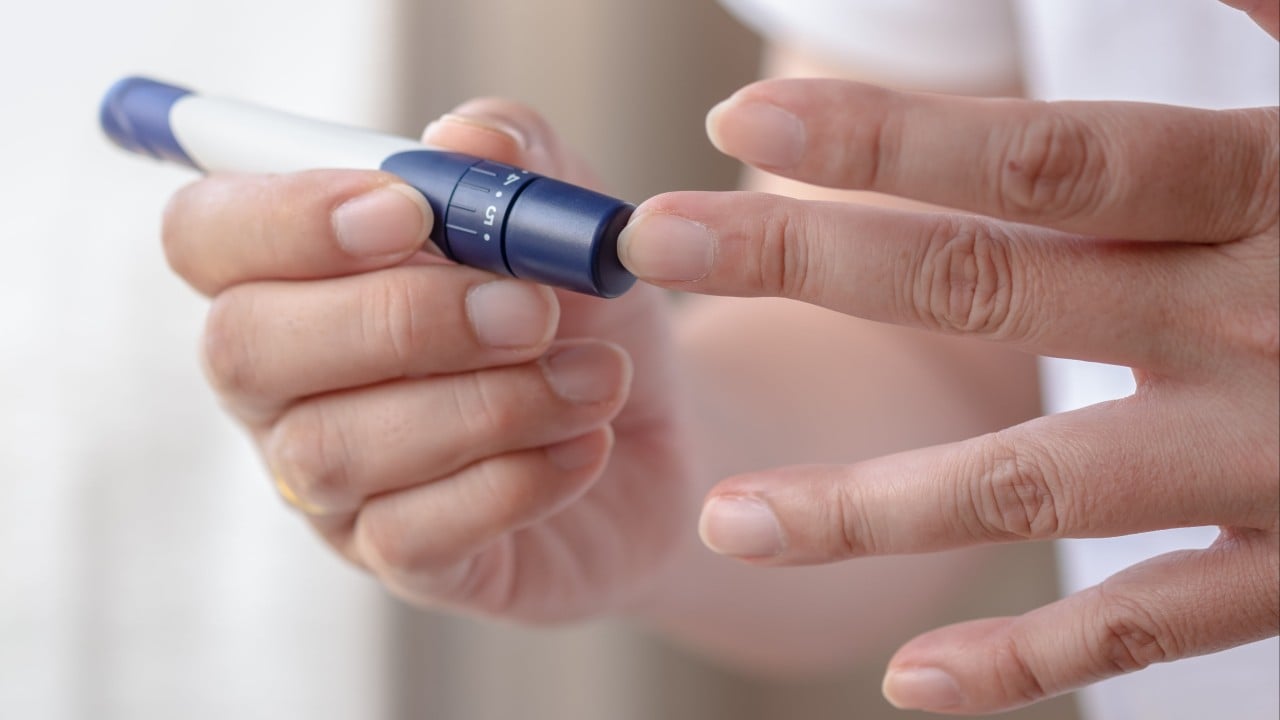
Chinese researchers have developed a wearable all-in-one mini artificial pancreas, a device that could revolutionize diabetes care. Unlike current commercial systems, which require patients to wear two separate devices for monitoring and hormone delivery, this prototype combines both functions into a single, coin-sized device. The researchers from the University of Electronic Science and Technology of China claim their smartphone-controlled intelligent device marks a significant shift towards next-generation diabetes management.
The device features an electrochemical insulin micropump and a microneedle glucose monitoring unit, enabling it to autonomously regulate blood sugar levels. In tests on type 1 diabetic mouse models, the device successfully suppressed blood sugar spikes. Weighing in at about 2cm in diameter and thickness, the device is smaller than most commercial insulin pumps and continuous glucose monitoring devices on the market.
Diabetes, a condition where the pancreas either produces insufficient insulin or cannot effectively use the insulin it does produce, affects approximately 589 million adults worldwide. Type 1 diabetes requires lifelong insulin administration, while type 2 diabetes, which is often preventable, involves impaired insulin production or resistance.
The device's electrochemical micropump and hydrogel microneedle monitoring unit allow for extended wear exceeding 20 days, with the microneedle patch being replaceable more frequently.
In testing, the device demonstrated stability in typical environmental temperatures and showed therapeutic efficacy comparable to traditional manual insulin injections in mice. To move from mouse models to human trials, the researchers emphasize the need to carefully consider dosing requirements, particularly for the ultra-compact device, which would require higher concentration insulin formulations for optimal efficacy.
Written by urgent.news from Reuters Business via SCMP's reporting — not their text. Machine-written — may contain errors; check the original before relying on it.
This story
This is one outlet's version. Read the fullest account.