CEC, ECs appointment law: SC soon to take decision on listing of plea to recall order
Chief Justice of India (CJI) Surya Kant on Wednesday said that a decision will soon be taken on listing the application seeking recall of an order referring the challenge to the law governing the appointment of the chief election commissioner and election commissioners to a Constitution bench

Chief Justice of India Surya Kant expressed that a decision will soon be made regarding the listing of an application seeking the recall of an order. This order, which referred a challenge to the law governing the appointment of the Chief Election Commissioner and Election Commissioners, was presented by Naman Sherstra. Sherstra is one of the petitioners challenging the validity of the CEC & ECs (Appointment, Conditions of Service and Term of Office) Act, 2023.
The Act was criticized for potentially violating the 2023 judgment of the Supreme Court in Anoop Baranwal. This challenge arose from the replacement of Chief Justice of India in the selection panel with a Union minister, which allegedly impacted the selection process of CEC and ECs, potentially affecting free and fair elections.
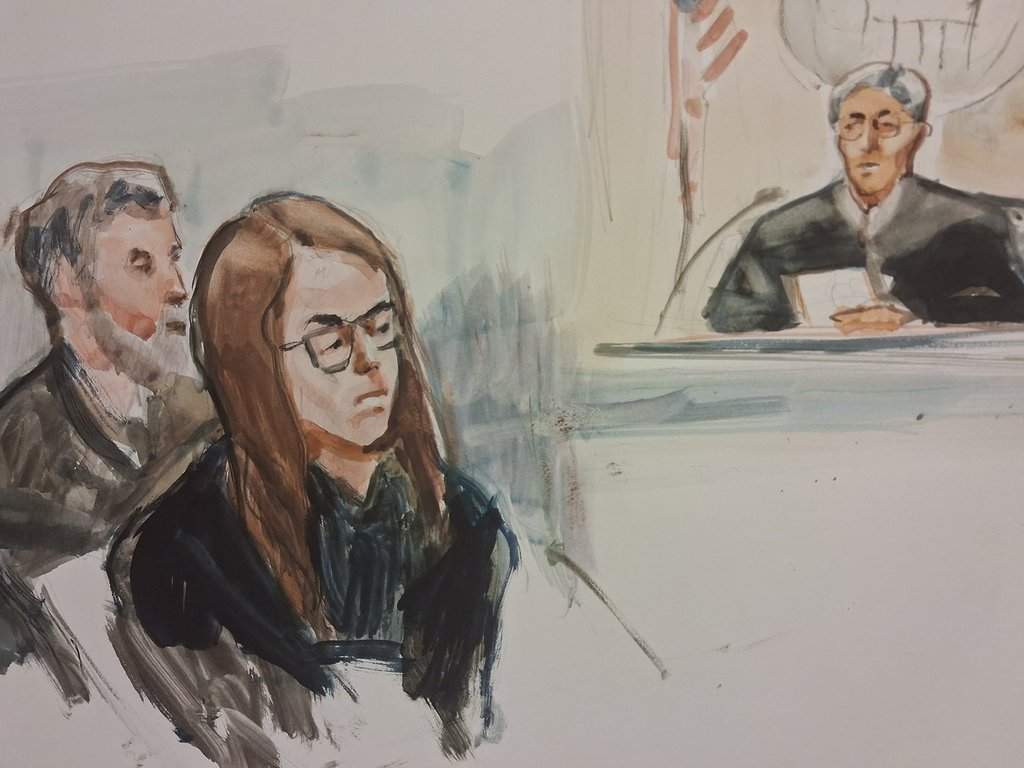
The legal battle took a turn on September 23 when justices Dipankar Datta and Satish Chandra Sharma referred the challenge to the law to the CJI for the formation of a five-judge bench. The split verdict left justices Datta and Sharma with differing opinions. While Datta believed the matter did not require a Constitution bench as the challenge could be evaluated using settled principles, Sharma argued for a five-judge bench due to substantial questions of constitutional interpretation. Ultimately, both agreed to place the matter before the CJI.
The application now seeks a recall of justice Sharma’s order and the joint order of the bench, which referred the matter to the Constitution bench. However, it does not demand a recall of justice Datta’s separate opinion. The petition notes that the matter was heard by the Datta and Sharma bench five times - May 6, May 7, May 14, May 27, and July 30.
Notably, Sharma's son was representing the Election Commission of India before the Madhya Pradesh High Court at that time. The application highlights that this information became known from news reports two days after the September 23 order. The application questions whether the lack of disclosure gives rise to a reasonable apprehension of impartiality.
It argues that the absence of disclosure deprived the petitioners of their chance to raise such a request before the September 23 opinions and order were issued.
Rewritten by urgent.news; may contain errors — check the original.